| OCR Text |
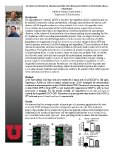
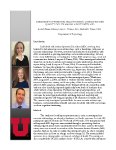
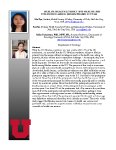
Show HEALTH, HEALTH LITERACY AND HEALTHCARE UTILIZATION AMONG MUSLIM WOMEN IN UTAH Mu Pye, Student, Health Society & Policy, University of Utah, Salt Lake City, Utah, USA u0741612@utah.edu Kai Sin, Student, Health Society & Policy and International Studies, University of Utah, Salt Lake City, Utah, USA kai.sin@utah.edu Akiko Kamimura, PhD, MSW, MA, Assistant Professor, Department of Sociology, University of Utah, Salt Lake City, Utah, USA akiko.kamimura@utah.edu Department of Sociology Abstract: While the U.S. Muslim population was very small in 2015 (1% of the US population), it is projected that the U.S. Muslim population will grow. Muslim patients have the unique cultural and religious needs in the health care setting. In particular, Muslim women tend to experience challenges – for example, they have delayed to seek care due to perceived lack of availability of female physicians – and health disparities. Yet there are few studies that examined physical and mental health among Muslim women in the U.S. The purpose of this study is to examine physical health and mental health among Muslim women. Self-administered survey about health, health literacy, and healthcare utilization was filled by Muslim women aged 18 or older in Utah in the summer and fall of 2016. Approximately 60% of the participants migrated from a refugee camp to the U.S. One third of the participants are Somali. More than half of the participants rated their health fair or poor. Half of the ever partnered participants had been emotionally, physically and/or sexually abused by an intimate partner. More than half of the participants preferred to see a female physician or a nurse. None of the participants had a mammogram in the past two years. Less than 10% of the participants had a Pap smear in the past three years. Half of the participants indicated that they had problems getting to their clinic appointments at the right time because of difficulty understanding written instruction. More than half of the participants reported that hospital and clinic sign were difficult to understand when they used a healthcare service. The results of this study suggest that Muslim women have barriers to health care services and preventive care, and need to improve services so Muslim women become more accessible to health care services. |