| OCR Text |
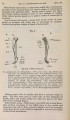
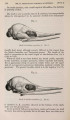
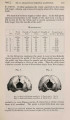
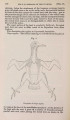
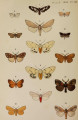
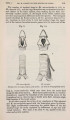
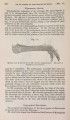
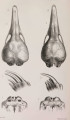
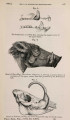
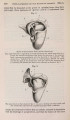
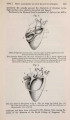
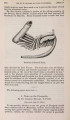
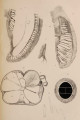
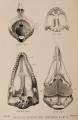
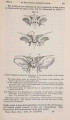
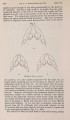
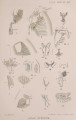
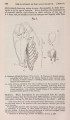
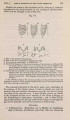
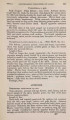
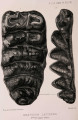
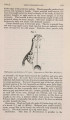
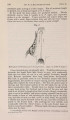
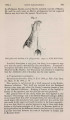
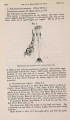
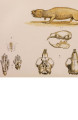
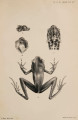
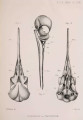
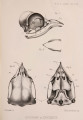
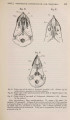
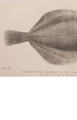
Show 1885.] ON THE RODENT GENUS HETEROCEPHALUS. 845 2. Notes on the Rodent Genus Heterocephalus. By OLDFIELD THOMAS, F.Z.S., Natural History Museum. [Received October 30, 1885.] (Plate LIV.) On the 16 th of June last I had the pleasure of exhibiting to the Society a specimen obtained on the 29th of January last by Mr. E.Lort Phillips, F.Z.S., at Gerlogobie, Ogardain, Central Somali-land, which I doubtfully referred to Heterocephalus glaber, Riipp., a species discovered by Martin Bretzka in Shoa, Abyssinia, more than forty years ago, and still, so far as I can ascertain, only represented by the original type described by Dr. Riippell. By the kindness of the Directors of the Senckenberg Museum in Frankfort I have been allowed to have this original type for examination, and I am thus enabled to give the following notes on the characters and differences of the two species which a comparison of these two specimens proves the genus to consist of. The second species has been already named and briefly defined in a footnote to the Report in our ' Proceedings' of the exhibition of the specimen 1 • and it was with much pleasure that I connected with this very interesting animal the name of its discoverer, to whom we are indebted for many additions to our knowledge of the mammals and other animals of Central Somali-land. The type of Heterocephalus glaber consists of a dried and mounted skin, with a separate skull, while that of H. phillipsi is an adult female preserved in spirit; and I am therefore able to give a somewhat fuller and more exact description of its charaeters than Riippell had any opportunity of doing. Heterocephalus phillipsi is a peculiar-looking little creature, about the size of a Common Mouse, but looking almost more like a tiny hairless puppy on account of its nearly naked skin, small eyes, and peculiar physiognomy (see Plate LIV. fig. 1). The head is small and flattened from above downwards. The mouth has the structure characteristic of Georychus and other burrowing Rodents, the external skin passing right across the mouth-opening inside the incisors. The lips and sides of the muzzle are fairly well clothed with bristly hairs, which form well-marked whiskers, and there are four or five hairs on each side springing from a wart on the side of the face. The eyes are well-defined open slits, with thickened fleshy lids covering the minute eyeballs, which are barely half a millimetre in diameter. The ears are simple round holes, not covered in any way, and unprovided with any trace of an ear-conch. The skin all over the head and body is of a wrinkled warty nature; but this is perhaps partly due to the action of the spirit on the naked skin, as the dried specimen of H. glaber shows it much less markedly. The head and body, although apparently i P. Z. S. 1885, p. 612. PROC. ZOOL. Soc-1885, No.LV. 55 |