| OCR Text |
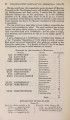
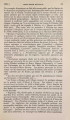
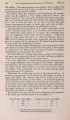
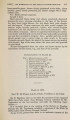
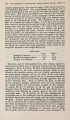
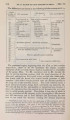
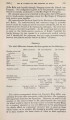
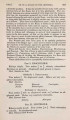
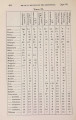
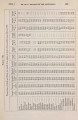
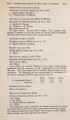
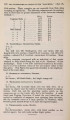
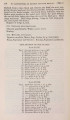
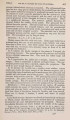
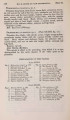
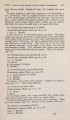
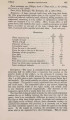
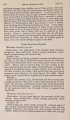
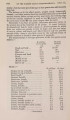
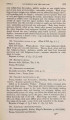
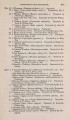
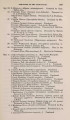
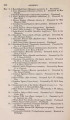
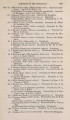
Show 1885.] DR. H. GADOW ON THE SPECIES OF RHF.A. 313 portion. These ribs are therefore anterior pseudo-thoracic. The last three ribs of the whole number of eight are in all Rheas likewise not connected with the sternum-true lumbar or posterior pseudo-thoracic ribs. The skeletons of the American Rhea in the Cambridge and Heidelberg Museums have each four pairs of true sternal ribs, each being furnished with an uncinate process. Rh. macrorhyncha varies from the other two species in having 15 true cervical vertebrae, the 16th of the series bearing the transitional rib, whereupon follow two long pseudo-thoracic, then three true sternal, and lastly three lumbar ribs. The 23rd vertebra (in Rhea darwini and americana), but the 24th in Rh. macrorhyncha, is the first which is firmly ankylosed with the ilium and with the following vertebra. The same happens, however, to the next one in front in most old specimens. The acetabular connection of the ilium with the vertebral column is effected by the 26th and, chiefly, the 27th vertebra, but in Rh. macrorhyncha by the 27th and 28th. The true primitive sacral vertebrae, as determined by Gegenbaur for the avian pelvis, are in all specimens the 33rd and 34th. In the male specimen of Rh. darwini the 34th nerve received no connecting branch from the 33rd, the latter therefore belonging entirely to the ischiadic plexus, just like the 34th in Rh. macrorhyncha. At any rate the ischiadic plexus is in all the specimens of Rhea examined by myself composed of six postacetabular spinal nerves. Considering these facts, we conclude that the 34th vertebra is serially homologous in all the specimens as being the second primitive sacral vertebra, and it can in our comparison be looked upon as the starting point or zero, but that the whole ischiadic and crural plexuses of Rh. macrorhyncha are placed one metamere further tail-wards than the corresponding portions in Rh. darwini and Rh. americana. Moreover, since the portion from the transitional vertebra to the last rib-bearing vertebra is homodynamous in all the three species (although falling under the category of parhomology or imitatory homology of Fuerbringer), we conclude rightly that Rh. macrorhyncha possesses one true cervical vertebra more than the other two species. This excess in number is compensated by the shortening of the number of presacral pelvic vertebrae from 6 to 5. The number of vertebrae constituting the various regions is therefore:- R. macro- R. darwini. R. americana. rhyncha. Atlas to transitional vertebra .. 15 15 16 Vertebrae with long ribs 8 8 8 Preacetabular vertebrae without ribs 3 3 3 Number of vertebrae from acetabular to first primitive vertebra (the latter included) 7 7 6 33 33 33 |