| OCR Text |
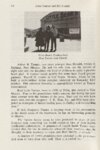
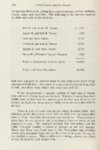
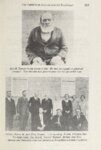
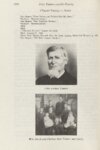
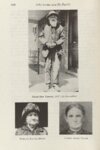
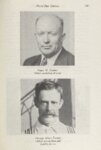
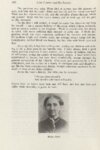
Show 306 John Tanner and His Family of the Colorado River. His residence at that time was given as Moen Kopi but this was a general term and could have been referring to the cabin on the Little Colorado above Cameron. reunion in Payson, but this time it He was accompanied by was held in August instead of December. his son Joseph B. and his family which consisted of his wife and five children. Again the address was given as (Tuba) Moen Kopi." In 1898 he was present at a It is known he was in Tuba-Moen Kopi in the latter part of the century and most of his family were with him. The chapter "The Tanners in Arizona," in this volume, gives the details of Seth B. and Anna Maria Tanner receiving $2,975 from the United States government at the time of the take-over of Moen Kopi in 1902-03. The name of Seth B. Tanner is somewhat of a legend in northern Arizona. No one knows for certain much about him, but everyone at all familiar with pioneering knows something about him. He has his name on washes, river crossing, a canyon, a trail into the canyon, a rapid, and a miner's prospect tunnel. He got along well with the Indians and knew their language well enough to converse with them. It is doubtful if any man among the Little Colorado River pioneers had their complete confidence more than he, and yet there is little of record concerning his work among them. Most of the pathetic family interest in the members have retained Indians, and a a lively and sym number have established trading posts among them. The author knew slightly this kindly giant of the desert, who was settle down, who apparently was as much at home Indians the as with the whites, who was more interested in among holes digging looking for minerals than in following the plow. and who died without an enemy in the world. never content to What an interesting story this noncontroversial man could have related if some historian had taken time to get the information before his voice was stilled. But no one did, and most of his descend ants know even less about him then the frustrated researcher, who finds only here and there some reference to him, such as his testimony in defense of Lot Smith who stood almost friendless in the court of his bishop and stake president. 22 He lived past the age of ninety, his last years requiring someone to lead him about because of his failing eyesight. He is buried in |