| OCR Text |
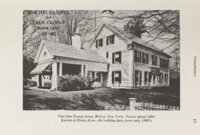
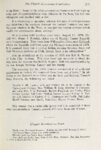
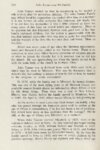
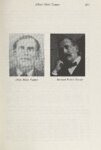
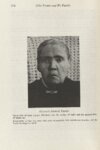
Show Albert Miles Tanner fifteen, were unmarried. 277 So little is known about Martin Henry it is not certain when he left the John Tanner fireside." The author doubts that Albert got along well in the home of his stepmother, particularly in the later years. During the period the older children were getting married and leaving home, Elizabeth's children were becoming more numerous and assertive, and perhaps Albert felt that his half-brothers were slowly but surely crowding him In the years at Montrose, from 1840 to 1846, he became estranged from the John Tanner home and finally left, never to out. return. 3 The circumstances of his leaving are as obscure as they are unfortunate. It is only known that at the conference of the Latter day Saint church held in April of 1844, a large number of brethern were "called to go on political missions" to the various states in the interest of Joseph Smith and Sidney Rigdon. These men had been their nominated earlier by become and president co-religionists and were campaigning to vice-president of the United States. Among missionaries were John Tanner and his sons Nathan Martin Henry, and his son-in-law Amasa M. Lyman.' This left Albert, now nineteen years old, and Myron, the oldest of Elizabeth's children who was fourteen months younger, in charge those called as and of a large The is from farm. only scrap Myron, who, of information available about Albert's break family gathering on his seventieth birthday, at a spoke of the events fifty-two years earlier and said diplomatically "Albert struck out in life for himself."" This left Myron, who was but eighteen, with a heavy load, but in sole command of the farm and only younger brothers to assist him. It is doubtful that it was a sudden impulse which prompted Albert to make the break; it was too deep-seated and too final to have been caused by some sudden or trivial quarrel. Even upon the return of Father Tanner later in the year, Albert refused to come back to the Tanner hearth. It is not being suggested that something fundamentally wrong the Tanner home was responsible for the separation. It was simply a situation in which thousands of boys have found themselves, and did. Elizabeth's family turned out Albert have much as reacted many far too well for anyone to look for a flaw in her character or psycho logy. The five sons who came West married, and raised large at |