| OCR Text |
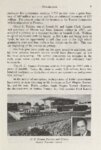
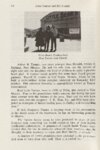
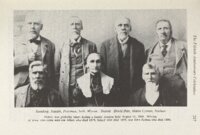
Show 196 John Tanner and His Family It is doubtful if a more rugged, or able group of men could have been assembled from within the church. They would need this strength to cope with the Arizona environment. November 22, 1875, found them in Kanab making final preparations before leaving civili zation and moving into the unsettled desert. This marked the halfway the easy half, as they would be on their own point of their trip - the rest of the way. Seth Tanner left no diaries or other records that have been found, but Brown kept good journals, and they will be quoted. November 27, they reached the big Colorado at Lee's Ferry and were taken to the Arizona side at this famous crossing. They continued "over a dry, rough difficult road till December 3rd, when we [they] reached Moancopy, arriving at Kanab.?" the pleasantest spot we had seen since before As there were a few springs at this site and favorable prospects for a limited farming operation, it was decided to build a small fort or blockhouse. Moenkopi was approximately midway between Kanab and the future Mormon colonies on the Little Colorado and would serve as a resting and outfitting place for those expected to migrate· to Arizona. Seth Tanner would spend a number of years at this lonely outpost in the closing years of the century. Leaving nine of the men of his party to begin construction of the blockhouse, Brown with four of his men, including Seth Tanner, continued on the exploring venture along the Little Colorado River. There is a day-by-day account of this expedition in Brown's journals. The party proceeded up the river to a point twenty-two miles above Sunset Crossing, which is roughly the present location of Joseph City, when they turned back thinking they had accomplished their objective. They reached Moenkopi on the twenty-ninth of Decem ber. On the first of January, Brown with two of the men, not in cluding Seth Tanner, returned to Salt Lake to report to President Young that they considered the Little Colorado a suitable place for colonization. 3 President Young at once set in motion the already prepared plan to call two hundred families to form four colonies on the Little Colorado with approximately fifty families in each colony. The "calls" were made through the bishops of the various wards, each of whom was given a quota.' |