| OCR Text |
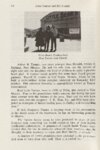
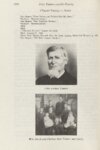
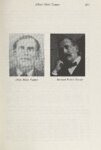
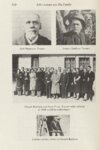
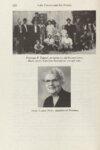
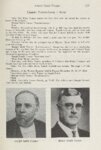
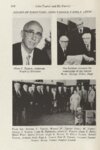
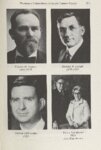
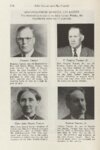
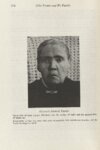
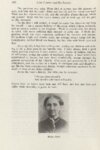
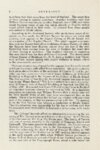
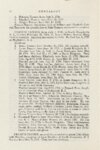
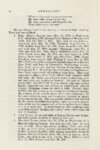
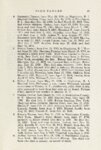
Show 294 John Tanner and His Family to' his seventeenth year he worked in the Provo Woolen Mills, and while working as a factory hand he enrolled, along with twenty-five others, for a night class at Brigham Young Academy. He alone of the twenty-six finished the course, comradeship with Dr. Karl throughout their lives. a close and more important he formed G. Maeser which would endure In 1876 he entered the Academy full time and graduated in 1878 in the first class graduated by that institution, after which he became a teacher along with Dr. Maeser. In 1879 he entered the field of engineering and did survey work for the Denver and Rio Grande Railroad. In 1882 he was appointed city engineer of Provo. He was now twenty-three years of age. In 1884 he was called on a mission to Germany and spent three and a half years in Europe, Turkey, and Palestine. For the rest of his life he was to maintain a lively interest in world affairs which enabled him to write countless articles for L.D.S. Church Publications. made President of Brigham Young College iii time he was appointed to the Church Board Logan of Examiners, which body conferred upon him an honorary doctorate. In 1888 he was and at the In same he went to Harvard where he spent three years, of law. When Utah was admitted to the Union he became the first Supreme Court reporter, and he also edited the first five volumes of the Utah State Reports. Also in 1896 he was made president of the Agricultural College in Logan, a position he mostly 1891 in the study held for four years. In 1900 he returned to the practice of law in Salt Lake City with the firm of Ferguson, Cannon and Tanner. In 1901 he became deputy superintendent of the state schools and in the same year superintendent of church schools following the death of Dr. Maeser. The author believes Dr. Joseph Marion Tanner to have been of the intellectual giants produced by the church. He probably had no superiors, and few if any peers. For twenty years he wrote extensively for various church magazines and was considered an one authority in such fields as mathematics, language, history, and law. It will likely be some time before another like him is produced. |