| OCR Text |
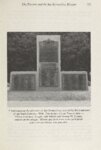
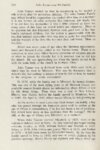
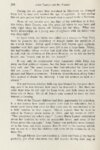
Show 144 John Tanner and His Family Had John been able to see the end from the beginning, would he have altered his course? The answer, of course, is an emphatic no. buried by loving hands surrounded by most of his family, but not all. Four of his older children Elisha Bently, William did not come West with the Stewart, Matilda, and Martin Henry Mormon migration. John Joshua was still on the Missouri River and would not come West until 1851, and Albert was in California. He was - - The remains of John Tanner are in the Salt Lake City Cemetery located at 200 "N" Street (the avenue section of Salt Lake City), in Plat C, Block 1, Lot 4. The grave is but a short distance from the headquarter's office, and is easy to locate by those interested. comparatively recent years the Tanner family organization has an appropriate marker, in keeping with the important part John Tanner played in the early days of Utah. In erected In 1851 Amasa M. Lyman led a colony to San Bernardino which took away from South Cottonwood, all of the Tanners except Nathan and his fast growing family. That fall Nathan was joined by John Joshua, and these two brothers were all of John Tanner's descendants who remained in Utah. In 1858 most of those who had removed to California returned, but not to settle in South Cottonwood; they would find more desirable locations in other parts of the state. But it is surprising how little it takes to get along, if that little includes a piece of land and some livestock. John Joshua and Nathan improved their land, planted large gardens, raised chickens and pigs besides cattle and sheep, and prospered modestly. In 1856 Myron who had recently married, brought his bride to visit his half brothers on his way from Salt Lake to Payson. Myron's wife, Mary Jane, was impressed with the number of nephews and nieces, at the Cottonwood residence, some of whom were almost as old as her self. She states that this was the first time she had been called aunt, and as there were nearly a score calling her that, she was over whelmed. 9 J ane was equally impressed with the excellent vegetables raised by these enterprising brothers. This was a period of near famine in Utah, but the Tanner brothers were hardly aware of it. Flour was selling in Utah for as much as fifty cents a pound when it could be had at all, but bread was scarcely missed by the Cottonwood Tanners, as they had plenty vegetables they could use." of rich milk, eggs, poultry, and all the |