| OCR Text |
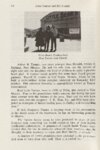
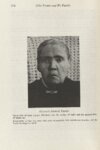
Show 112 John Tanner and H is Family the year 1846 when, the Saints, soaked with rain, were wading through mud in a vain attempt to reach a home in the West. They had hoped to make far as the entire trip west in one year, but they would the Missouri, less than one-third of the way. only get as The part played by the Tanners on this most trying trek of three hundred miles, from river to river, has had little attention as journalists and camp recorders have focused their attention on the religious leaders. But John and his willing sons were up to their usual activities. The Tanners now had eight able-bodied men, con of Father Tanner aged sixty-eight, Sidney aged thirty-seven, Joshua, thirty-five, Nathan, thirty-one, Albert, twenty-one, Myron, twenty, Seth Benjamin, eighteen, and Freeman Everton, sixteen. Martin Henry, age twenty-four was in the area, but seems sisting John not to have accompanied them across Iowa. There is no explanation. member of the Mormon church and had filled a mission, but he dropped from sight at this point. He was a Few families could boast such an array of competent and willing manpower. They found plenty to do, and many grateful Saints gave thanks for their timely assistance, even if they are not written large in official journals and histories. One grateful journal keeper has left a good picture of the long nightmare of the spring and summer of 1846 and expressed her gratitude to John and his family. This was Eliza Maria, daughter of Bishop Edward Partridge, the first bishop of the church. She had married the prophet in 1843, and after his death married Amasa M. Lyman. As previously narrated, Amasa M. Lyman was mar ried to Louisa Maria Tanner, daughter of John, and Lyman's mar riage to Eliza Partridge brought her into close relationship with the Tanners. Eliza Partridge Lyman has left an extended journal, one of the best, concerning the journey across Iowa, and she mentions the Tanners many times. in this chapter. There will be occasion to quote her often She related that after her marriage to Amasa M. Lyman, she remained in Nauvoo for a few months, living part of the time in the home with Amasa and his first wife Louisa Maria, and the remainder in the back part of her mother's home. She states: On February 9th, 1846, I bade adieu to my friends in Nauvoo, and in company with my husband, Amasa Lyman, Daniel P. Clark, and wife, Henry Rollins and Dionitia W. Lyman, [another of Amasa's |