| OCR Text |
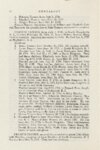
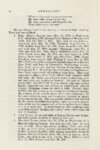
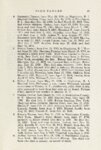
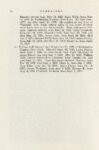
Show 134 John Tanner and His Family Took breakfast within the walls of our house. It is months since we have eaten in a house till now. now My baby sick and what ails him. and I cannot getting worse; has cried all day about seven see The baby is dead, and I mourn his loss. We have done the best we know for him, but nothing has done any good; he continued to fail from the time he took sick. My sister Caroline and I sat up every night with him and tried to save him from death, for we couldn't bear to part with him but we were powerless. The Lord took him and I will try to be reconciled, and think that all is for the best. He was my greatest comfort, and nearly always in my arms. But he is gone and I cannot recall him, so I must pre pare to meet him in another, and I hope, a happier world than this. I still have friends who are near and dear to me. If I had not I should wish to bid this world farewell for it is full of disappointments and sorrow. But I believe there is a power that watches over us and does all things right. He was buried on the west side of the Missouri River on the second ridge back, the eleventh grave on the second row counting from right to left; the first row being fartherest from the river. This will be no guide, as the place cannot be found in a few years. ,15 Eliza Partridge Lyman, like most mothers wondered what ailed the sick child, but with a sense of fatalism felt it was God's will when it was taken, or it would not have died. Andrew Jensen's Historical Record states that "Provisions could great variety. The principal diet of the people that winter was com-bread and pork. In many instances even these articles were not very plentiful. "I 6 not be obtained in Most of the com and pork was brought in from Missouri and often the com had to be ground on small hand- or coffee mills. Wheat was frequently boiled whole and eaten in that fashion, and while better than nothing, was not suitable for babies and small children. The want of vegetables and the poor diet in sponsible for scurvy during the winter of 1846-47, general were re and, in addition being debilitating and painful, caused many deaths. Potatoes from Missouri and horseradish from an old fort a few miles from Winter Quarters, helped to control the scourge, but it took a heavy toll. to There had been no farming worth mentioning in Winter Quarters |