| OCR Text |
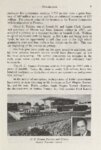
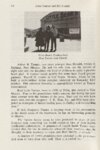
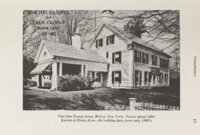
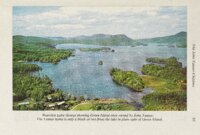
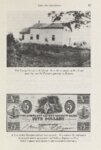
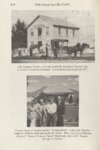
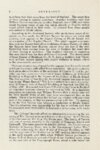
Show The Bolton-Lake It in the was family resided, in service as a village of Bolton Home Landing 39 that the John Tanner and the old home with considerable boardinghouse and known the main street which runs mately a block from the lake. is George on along as remodeling is The place and is approxi Greenacres. the lake shore The Lake George area is rich in history dating back to colonial Indian trails led to the lake from all directions and the long narrow lake was a favorite thirty miles long by three miles wide waterway for the Indian in his canoe. A considerable part of the French and Indian War was fought in this neighborhood, and Fort times. - - William Henry, which has recently been restored, tip of Lake George was built and burned as the struggled for possession of the territory." The and Lake the southern opposing forces on hundred mile waterway formed by Lake Champlain George was used by the English and French in their attacks one upon each other during the power struggle for the control of the continent in the pre-revolutionary period, which finally resulted, in the defeat of France and her withdrawal from North America. Of all the forts built in Warren by the opposing forces, only Fort William Henry County has been completely restored. With the close of the pre-revolutionary wars, people began to into the area. However, within a short time the country was again plagued with war as the American colonies challenged Great move Britain, and British soldiers and their Indian allies made raids into the country. Not until the colonies won their independence was the country finally safe for settlement. The New York legislature, anxious to have citizens move into the area, made favorable terms for the occupation few cents of its land. Much of the land acre, and the to obtain the necessary cash. a an products It should be noted that the Tanner was made available for of the forest could be used family was in Rhode Island the colonial wars, and came to Greenwich, Washington County, a period of New York, in 1791, where they remained until 1818 twenty-seven years. There is no reason given for the move from during - Greenwich to Northwest Bay (Wardboro), which was a distance of approximately forty miles. There was plenty of cheap land which probably occasioned the move, but it was not very good farm land, and John Tanner did not accumulate his fortune from the ordinary pursuits of agriculture. |