| OCR Text |
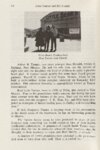
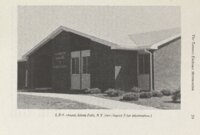
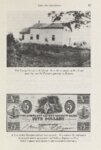
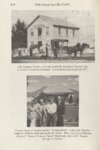
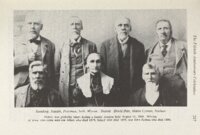
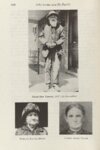
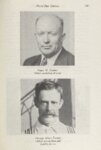
Show The Tanners in Arizona and the Southwest 199 The home is mentioned by Apostle Woodruff, President Jesse N. Smith, Bishop John Bushman and many others. Tanner Crossing nearby is named for this rugged pioneer." Probably no other pioneer of the area has so many washes, crossings, trails, and various other landmarks named for him as Seth B. Tanner, and it is doubtful is any other man was as widely known or as universally respected, unless perhaps, Jacob Hamblin. Henry M. Tanner, was a very different type of person. Never the roving type like Seth, he was content to settle down in community life and struggle against immense odds to make a success of a poorly conceived colonial venture simply because the church leaders "had called him to do so." The was a struggles part are so of the pioneers unbelieveable, of the little that if the facts village were of which he not well might their be inclined to dismiss the account of the venture known, fabri cation. This group struggled with the unruly river for eighteen ,years, from 1876 until 1894, before they got a permanent dam which would divert the waters to their farms. During this eighteen-year period the little band, usually no more than a dozen men, probably spent half of one working hours trying as control this treacherous stream." to finally subdued, it was of doubtful worth. When it was needed for irrigation in the summer, the stream And in the early was so small it would irrigate but a few acres. of was water, it was usually plenty spring and late fall, when there mud was deposited harmful and so muddy it was unfit for irrigation Even when the stream on was the land. 1'0 The farmland was so impregnated with minerals and so sterile in nature that it required a person of optimistic nature to put seed into the ground. During the early years when reports of crop pro duction are available it is quite common to read of harvests which yielded eight bushels of wheat the difficulty of bringing the with what toil and sweat they and ten bushels of corn. water to the land and won their daily bread. Add to this one can see With intensive care, garden vegetables could be grown in mod erate abundance, and St. Joseph became famous in the area for watermelons. Frugal housewives, who did most of the work in the gardens, earned small amounts of cash by preparing surplus for market, where they were picked up by peddlers and vegetables hauled to nearby towns. |