| OCR Text |
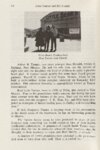
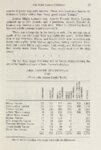
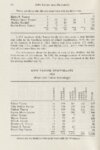
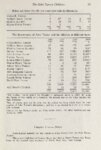
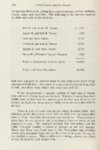
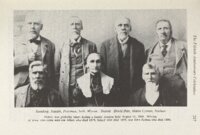
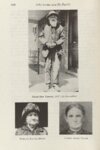
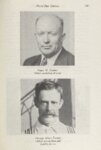
Show The Tanners in Arizona and the Southwest 201 have accrued something of greater value in the lives of the men so devoted. The author thinks that his father Henry Martin Tanner comes the nearest to the ideal of complete devotion to a cause of any of the descendents of that noble ancester, John Tanner, who everything. gave On one occasion Henry was conversing with his wife's brother George A. Parkinson, of Beaver, and asked him if he would be prepared to meet his maker when the time came. George, a little taken back by the question, stated that he had not thought much it, and wondered why the question. Whereupon Henry ex plained that when his time came to meet the Keeper of the Gate, about he would not hesitate in asking the reward of the faithful. "He had paid an honest tithe of every dollar that had come into his care, he had fulfilled all his duties, and he had treated his fellowmen as he "13 wished to be treated. Henry's knew him, proposition daughters, as well as those grandchildren who probably all his neighbors would have seconded the sons and and that he receive the "reward of the faithful." Martin spent the rest of their nature, moved about a good deal but remained within the borders of Arizona. In 1902 he was in Tuba City when the United States government decided to disposses the Mormons so the area could be devoted entirely to Indian uses. Since they had no title to the land, the only claim they Both Seth Benjamin lives in Arizona. had was for Seth, and Henry true to his roving improvements. Among the twenty or so families living in Tuba at the time of the government take-over, in addition to Seth were three of his sons and a daughter, Mrs. John, Frederick, and Joseph Baldwin Elizabeth Despain. The four married children had a total of twenty one of Seth's grandchildren, so the family in Tuba numbered more than thirty. In addition the sons were married to women with rela - - tives in the village with such prominent names as Powell, Foutz, and Allen. Seth's family, together with the relatives by marriage must have been a majority of the residents of the settlement. Had Seth been the ambitious type, he could have taken over the management of the place as patriarch. It may be of interest to inquire how much wealth they accumu lated in this desert region of Arizona in over a quarter of a century since Seth came with James S. Brown. The government, of course, |