| OCR Text |
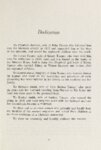
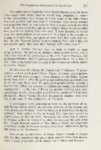
Show 246 John Tanner and His Family were poor or nonexistent and it rained and rained. There were and sometimes weeks when they made no progress at all. It days is known that John Joshua, like the other Tanners of Montrose, was he was in the a man of tremendous physical and emotional strength of his he of and life, thirty-five years prime gave his best to age roads - - the cause at hand. Along with his father and Brother of the whose he appointed help those compassionate bishops in need. This appointment seems not to have had anything to do with the presidency of a ward, but Brigham had said that if a man was willing to give all he had for the Lord to use as He wished, he was worthy to be a bishop. John Joshua Tanner was such a man.' one Sidney, duty it was was to His various errands of mercy caused John J. to lose contact with the company he was traveling with, and he fell behind so that he reached the Missouri River a week behind them. An interesting entry in the "Nebraska Journal" under the date of August 17 reads as follows: "Voted that John J. Tanner and eight others have permission to join themselves to Amasa M. Lyman's Company, having nine men and boys, twelve wagons, five horses, thirty-six oxen, twenty-four cows and four sheep."? It has not been possible to learn who the others were in John Joshua's company, but he was probably assisting some of the Saints who needed help. in Winter Quarters from August 1846 until left for the West in late June of 1848. There is no documented evidence of why he did not accompany them West, but many strong and efficient men were needed at the river to assist in organizing and equipping the emigrants who were arriving almost daily. There were oxen to be raised and trained, wagons to be made ready, and food to be prepared for the overland trip of a thousand miles. Many of those comprising the emigrants had little knowledge of frontier life, and knowledgeable, practical men, like John Joshua, John Joshua the Tanner were was family in great demad. With the departure of Brigham Young and most of the Saints from Winter Quarters in June and July of 1848, the camp was abandoned. Those who remained at the river moved to Kanesville on the east side. This included John Joshua and Rebecca who continued their compassionate work among the "green" arrivals for three additional years, totaling five years in all they were on the Missouri River. Three of their children at Winter Quarters and two at were born Kanesville. during this period - one |