| OCR Text |
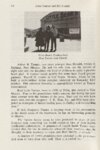
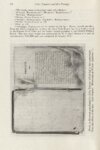
Show 110 John Tanner and His Family last faint hope of remaining in the settled area of the United States, church leaders addressed letters to the governors of all the states, except Missouri and Illinois, asking for help and advice, possibly with the faint hope of the offer of some place to settle As a without having to brave the trackless wilderness to the Great Basin or the Pacific. The letter was ignored by all save the governor of Arkansas, Thomas S. Drew, who offered only sympathy, as he felt that given the same circumstances, the people of his state would probably react much as they had in Missouri and Illinois. He sug gested they might consider Oregon Territory, California, north Texas or Nebraska." With all hope for a place of peace and safety within the confines of the established states gone, plans were made to depart for the West as early as the streams would flow and the grass grow. Nauvoo turned into a workshop with emphasis on getting wagons pre pared for the 1,500 mile journey and animals equipped to pull the heavy loads. was the A list of items necessary to make the migrants, and has been preserved. experienced long journey was furnished Many of the Saints were in travel and could have made up their own.' The non-Mormon residents around Nauvoo were not helpful. Anxious as they were to be rid of the Saints, they gave them no aid, and only awaited their departure to acquire desirable farms and homes and other property for much less than its actual value. Actually there was considerable negative activity meant to em barrass the already overworked Saints and try to hurry them out of the city and state before they were ready. The behavior of their unneighborly neighbors during pation of Nauvoo is one the last months of the Mormon to make responsible occu Americans blush. [I Because of the pressure on Nauvoo, the Saints began moving city earlier than they had originally intended. Charles Shumway, the first to leave, crossed the Mississippi on February 4, 1846; others followed and there would be a steady stream of covered wagons moving westward for months to come. A temporary camp was set up at Sugar Creek, about nine miles from the city, where the early emigrants gathered. During the rest of the month of February, Sugar Creek became a central gathering place and staging area, and many hundreds of Saints finished their final preparations for the journey at this point. out of the |