| OCR Text |
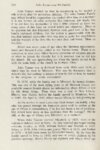
Show 66 John Tanner and His Family hundred expense in both time and treasure, more than two had come on this long and potentially dangerous trip, only to meet with failure. Nathan Tanner related that when certain mem bers learned they were not to be given an opportunity to fight, they were very angry and said they would rather die than return without a fight. "They drew their swords and went a short distance from the and gave vent to their wrath on a patch of Pawpaw brush, and camp heavy' men mowed them down like grass. "I 2 How are we to explain this apparent military blunder bringing - Saints to their them to go home two hundred men a thousand miles to restore the homes in Jackson County and then dismissing at the first sign of trouble? What did the prophet expect to happen? What did the men of the camp expect? Were they looking for a miracle like that recorded in the Old Testament, in the Book of Joshua, Chapter 7, where Gideon with three hundred men routed - an army of a hundred times its size? The Doctrine and Covenants hints that but for certain trans Zion might still have been redeemed. But how this was to be done is not stated. Was this to have been through some miracu lous show of power?" gressions One angle of the Missouri problem as it relates to the bringing of the army to Jackson County, has received far too little attention that is the negotiations which were going on between the Mormon leaders and Governor Daniel Dunklin. It is unlikely that the full - story will ever be known, but a Mormon delegation led by William W. Phelps had held conversations with the governor and had re ceived certain assurances from him. There probably was considerable difference between what Phelps expected him to do and what he actually intended to do. But in any case Phelps sent in an optimistic report of what could be expected of Missouri's governor. On May 10, 1834, a circular letter signed by Sidney Rigdon Cowdery, Kirtland, Ohio, and addressed "Dear Brethren" apparently sent out to appropriate members of the church. It and Oliver was said in part: It is, no doubt, known to you, that a large number of our brethren have recently gone up for the deliverance of the afflicted Saints, who have been dispossessed of their lands and homes by a lawless band of men, who have risen up in defiance of all law When these brethren have arrived in the vicinity, or as wisdom may direct, . . . |