| OCR Text |
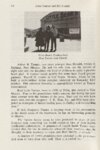
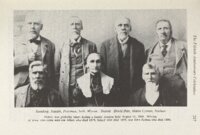
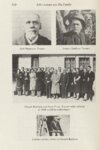
Show John Tanner and His 200 Family The one redeeming feature of the country was a free and open range where cattle could graze all winter without being brought in and fed. This was an invitation to enterprising men like the Tanners to acquire livestock, and reap a good harvest from their sale. But even this had its limitation. Prices of stock were so low that the exciting. The author remembers that year after year, following roundup, his father Henry Martin Tanner sold his yearling steers for $13.00 apiece and older ones in proportion. Local farmers, who occasionally killed a beef and sold it to the neighbors, usually received five cents a pound for front quarters and seven cents for hind quarters. Not exactly financially rewarding rewards were less than the .. The little colony held on bravely, hovering just above the line of actual want, but never with a surplus sufficient to make them fee1 financially secure. The author doubts any of the members of his father's family ever went hungry, but the promise that none would ever beg bread may have seemed in jeopardy at times. All the newly formed colonies attempted to live the United Order, and one of the Joseph City dwellers said they were going into it with all they had and no "beating around the bush." Probably in no other place in the church, with the possible exception of Order ville, were people so diligent in attempting to live the complete law of consecration. But like all the others, after a few years enthusiasm cooled, and the people all drew out." The author doubts that a more industrious, devout, and high class group of men and women were ever brought together within the church. They all believed they had been called to this task by the servants of the Lord, and that it was His will that they remain in Arizona no matter how hard the task seemed. One is reminded of the Spartan band at Thermopylae who held back the Persian hordes to the last man. These devout Latter-day Saints had been called to and they meant to fill it. John Bushman, many years the of bishop Joseph City ward, when released from his position as in 1916 this was forty years after the original call to come bishop to Arizona wrote to the First Presidency asking for a release from the original call, so he could return to Utah to do work in the temple. Because so many years had elapsed, the brethren probably had no idea anyone would have thought the call was still in effect. But Bishop Bushman got his release. a mission, - - If the Little Colorado colonies did not add much to the material or to that of the pioneers themselves, they may wealth of the church |