| OCR Text |
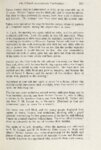
Show 89 Into Troubled Missouri little wheat for the family. We were successful in obtaining a supply for the family and for seed. We sowed all we could possibly spare that fall, thus making calculation to stay in Far West. But the trouble came on, the mob pressed in upon us, and we were cut off from outside supplies and had to depend upon what little corn we could get from our neighbors and brethren who were there be the nearest, I fore us. We were some distance from the mills think, was five miles; and there was another twelve miles from where a - lived. For a long time after the trouble we lived all the time the trouble becoming more serious.> we If John Tanner and his a hulled corn, had been left enterprising family molested, it would have taken them but on short time to have un recouped their fortunes. The "Pairadice" which Nathan mentioned in his would have smiled kindly on the husbandry of such farmers. But such was not to be. Both Nathan's J ourna! and his reminiscences tell what happened to them as they struggled for a living: journal only time to get a few of the necessities of life before the began to threaten; as we prospered by our industry, the mob raged My folks had bought lands and hogs and some cattle of As the mob rose the old settlers with a view to settling there I was on hand to guard the Saints." We had mob . . . . . . So much has been 'written in Mormon literature about the Missouri and Illinois troubles that it may seem superfluous to more than mention it here, but some reference to it seems in order to connect the Tanners with the story. Brigham H. Roberts, famous Mormon historian, comments about the Missouri troubles: been, of course, more extensive persecutions than those inflicted on the Saints in Missouri, but I doubt if there has ever been a persecution more cruel or terror-laden in its character. Viewed from the standpoint of its net results, there were some fifty people, men, women, and children, killed outright; about as many more perished indirectly because of the exposure to which they were subjected through the winters of 1833-34 and 1838-39. There have In round numbers it is estimated that between twelve and fifteen thousand citizens of the United States, after being dis of their lands, were forcibly driven from the state. It 1S known that they paid to the United States government for lands alone, three hundred and eighteen thousand dollars, which at the possessed people, |