| OCR Text |
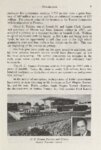
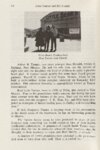
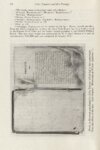
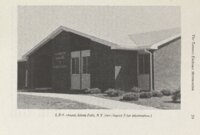
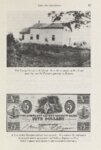
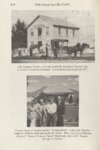
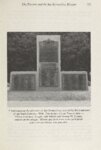
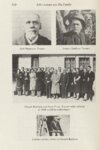
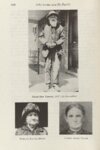
Show 146 John Tanner and His Family was built a settlement of some proportions." Logging and lumbering activities took place wherever timber was sufficient, and miners and prospectors fairly swarmed over the canyon slopes. around which The "Journal History" records an article sent to the Deseret News by one of its reporters, A. Milton Musser, which is of interest: Salt Lake, March 30, 1871: A telegraph office is now open at Tan nerville, Little Cottonwood Canyon, five miles from the Emma Mines and five miles from the mouth of the canyon. Messers Jones and Pardee are putting up extensive smelter works and other buildings at the place. A store is being opened and a postoffice asked for. Within a half a mile from the place, the following mining claims are being worked, "Lone Star," "Pride of Youth," "Eureka No.2," "Tanner's Creek Leads," and several others. There are a splendid water power and abundance of timber hard by. One hundred thousand bushels of charcoal are now contracted for at the place; choppers and coal burners are in demand. Respectfully etc., A.M.MY The author failed in his research to find which Tanner or Tan were involved in the Tannerville enterprises, but one would feel sure it was John Joshua, or Nathan, or members from these families. A picture of the "Tanner Trading Post," may be the one ners mentioned must have by Musser in the article above. Paul B. Tanner says this belonged to Nathan as he was that kind of a speller. An anonymous biographer of Nathan Tanner gives him credit for build ing a toll road in little Cottonwood Canyon and being the first to bring water from the Cottonwood streams to the farms." After the fire of 1872 which destroyed the town, it could no longer be called Tannerville and the name Tanner Flat took its place. But Nathan Russell Tanner of Ogden has a different story of how Tanner Flat got its father and grandfather: name. Here is his story as it came from his When the famous Emma Mine was opened up and ore was being shipped away for processing, Nathan Tanner Jr., then a young man in his twenties approached Brigham Young who had charge of the hauling and explained that he could furnish eighty teams with drivers, all of whom were good Latter-day Saints and would pay their tithing. He got the contract for hauling the ore, and his teams were fed and stabled at Tanner Flat.v |