| OCR Text |
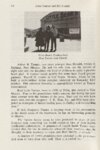
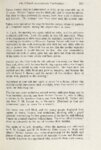
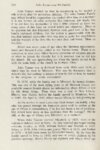
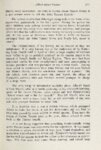
Show John Tanner and His 172 Family were built inside using the fort walls as one wall of the house. The enclosure contained nearly one hundred families and seemed crowded to these freedom loving people as they remained behind its protecting walls nearly a year until the Indian problems were Houses quieted. Under the leadership of Mormon Apostles Amasa M. Lyman and Charles C. Rich, the people worked in close harmony in setting about to build their homes and make a living. Lyman and Rich had made the purchase of the land and were responsible for the payments, and they in tum sold to the various settlers. But instead of each farmer fencing his piece of land, the entire farm was fenced. Cattle kept out by fences made of timber or in some cases by digging deep ditch. While there was no attempt to live what the Mormons have called the United Order, still many things were done as a group. were a 1852 the leaders decided to ask the men of the com assist in building a road to the timber on the mountains. munity to This was a considerable undertaking as the mountains were high and rugged, but on the appointed day, April 26, practically every man in the colony reported for work. In about ten days work was com pleted, and a road eleven miles in length over very steep mountain country was finished. During the coming years it would prove of great worth as the settlers required lumber for their homes and other In April needs. A total of six sawmills terprise, settlers with The earliest set up, all erected by private en produced for the San Bernardino surplus freighted to Los Angeles and other markets. mills were water powered, but a later one was steam. were and sufficient lumber was As the first grain harvest was approaching in 1852, it was de cided to build a community granary. This was an immense bin 30 feet wide, 100 feet long, and 12 feet in height. All who wished to store grain in the bin assisted in the construction. A gristmill was erected nearby and began grinding flour that fall. Working in unison on the various projects, the people learned to stand together. The city was originally planned to be one mile square, with nine streets running north and south and an equal number running east and west. The north and south streets had suggestive names Far West, Nauvoo, Independence, California, Salt Lake, and Utah. The east and west streets were numbered from one to nine. There was a block reserved for a park and plans were made for a future temple. |