| OCR Text |
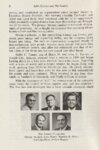
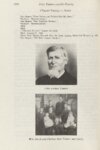
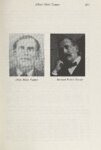
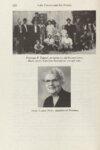
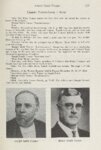
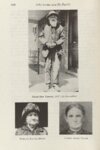
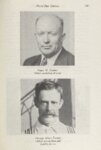
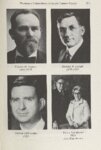
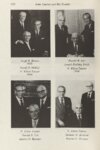
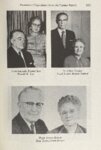
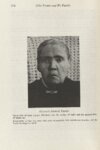
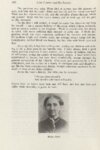
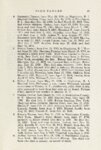
Show The Tanners invade Canada 223 Jane Tanner and James S. Brown. Lydia Jane Tanner was the daughter of Nathan and Rachel Tanner, born January 27, 1838, in Far West, Missouri. Thus Lydia Jane Brown, wife of Manley Brown was the though of Nathan Tanner. Manley and Lydia Jane, name of Brown, were not related. granddaughter both with the Two of the present General Authorities of the Church of Jesus Christ of Latter-day Saints, Hugh B. Brown, apostle and former counselor to President David O. McKay, and Victor L. Brown, presiding bishop, are Tanner descendants and came through this line. Hugh Brown Brown, the middle name coming from his mother's maiden name, is the great-great-grandson of John Tanner. Victor L. Brown, son of Gerald Stevens Brown, is one generation further removed. majority of this large family, there were fourteen children, long in Canada. But Hugh B., the best known, moved to Lethbridge and became associated with the law. He was well known both in Alberta and Utah before his call to the apostleship in The did not remain 1958. Annie Pingree, daughter of Job and Esther Pingree, married Nathan Tanner, Jr., in 1890 as a plural wife. Three children were born to them, but the condition under which she was required to live proved more than she was able to endure. Annie left her husband in Ogden and moved to Lewiston, Cache County, Utah, where she met and married Fred Karren, who was also divorced. At this time Canada was being widely advertised, and the couple decided to move there. They arrived in Magrath, Alberta, March 15, 1903, where land was purchased and the rigorous life of pioneering was begun. A few years earlier than this, the church had entered into a Irrigation Company to build canals and which the Crown had granted to the of land develop large acreages Galt for as a opening the coal mines at Leth contract with the Alberta subsidy family bridge. Following are some their stipulations of the of the contact: That work should begin not later than September 1, 1898; that con tractors should accept part cash and part land in payment for their labors; that two blocks of land should be located in the vicinity of Stirling and Magrath, and that by December 31, 1899, there should be at least 250 inhabitants on each of these townsites, and the con tractors should have earned at least $100,000 in cash and land." |