| OCR Text |
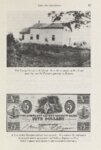
Show Another Try for a Home 107 There are no figures to show what the Tanner boys raised on that two hundred acre farm in 1844, but from Myron's account, it was less than John had hoped for. Nor is it known what John ac on his mission in New York that spring and summer. There would be but one more planting and harvesting on that Mont rose farm before the Saints would be uprooted from their homes. The large Tanner farm was so strategically located with reference to the complished trek, that every pound of hay and grain and every mouth ful of food would be important to the dispossessed Saints who would struggle across the Mississippi on the westward move. The question might be raised whether John Tanner might not have been of more value to the church producing a full crop in 1844 rather than on a "political mission." Of course hindsight is usually better than westward foresight. Chapter Eight - Notes INathan Journal, appendix. 2Roberts, Comprehensive History, vol. 2,pp. 3-5. 3United States map will show that they might have saved half the journey. 4Nathan was more agressive than his brothers and got into more trouble. 5Nathan, Journal. 6Roberts, Comprehensibe History, vol. 2, pp. 1-2. 7Ibid., chapter 40. 8Both Nathan and Myron tell of the farm near Montrose. llNext chapter. lOMyron Tanner, Biography. This is much too pessimistic a picture. l1Ibid. This is also overdrawn. 12Jenson, Biographical Encyclopedia is right that the final amount paid by John on this note was $100. The Lyman "Reminiscences" bears this out. See ap Tanner pendix. 13Roberts, Documentary History, vol. 6, chapter 8, p. 16. 14Jenson, Church Chronology. 15This story is known by all Tanners and told with enthusiasm, as if the phophet's promise is responsible for the prosperity of John Tanner's descendants. 16Eliza Partridge Lyman, Journal, February 20, 1846 (typed copy HOC xerox copy, author). 17Myron Tanner Biography. lsIbid. |