| OCR Text |
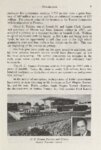
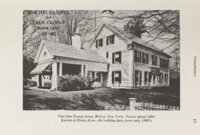
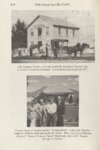
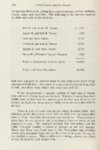
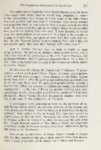
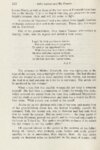
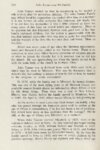
Show 142 John Tanner and His Family been to the total effort of Saints through to Zion. building 'the Kingdom, and seeing the As John read the story of Moses in the Old Testament, how he forty years in the wilderness and then was permitted to see never to enter the promised land, he may have wondered about his own chanches of getting to his final destination.' But providence was more kind to John Tanner. He was allowed to enter the "promised labored valley" so well, - and far see those he loved most located enough removed from the city on farms, which he loved to have lots of elbow room. The first home of the Tanners in Utah was known as South Cottonwood. It. was located between Big and Little Cottonwood creeks, about ten miles southeast of the city. In terms of present-day street numberings, it is 5900 south and 1300 East. The following is a Lake brief description Valley: of the first home of the Tanners in the Salt Apostle Amasa M. Lyman arrived in the Great Salt Lake Valley with his company of Saints, in October, 1848 [On or about October 19] he located part of them at a point between the two When Cottonwood Creeks, about ten miles south-east from Great Salt Lake City fort. A tract of country consisting of about one mile square, was sur veyed and divided into 10-acre lots for the convenience of the settlers, among whom were Amasa M. Lyman, William Crosby, Daniel Clark, James M. Flake, John Tanner and sons, Sidney and 5 Nathan, Daniel M. Thomas, John Brown, John H. Bankhead, William H. Lay and others, with their respective families. The place of their location was subsequently known as the "Amasa Survey." the fall and winter of 1848, a few houses were built of logs, which were hauled in by the brethren from near the mouth of Big Cottonwood and Mill Creek Canyons, but most of the people lived in their tents and wagons until spring, when a number of other houses were built. During In the meantime water had been taken out of the two Cottonwood Creeks, and other improvements made. The number of settlers were also increased by several families locating on various points along the creeks. A ward organization, known originally as the Cottonwood Ward, but which afterwards changed to South Cottonwood, was finally effected with William Crosby as Bishop, and James M. Flake as one of his Counselors. |