| OCR Text |
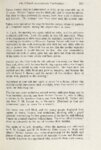
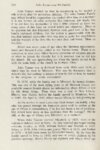
Show Into Troubled Missouri A table up to was 97 brought out on the public square, and we were marched point of the bayonet, and required to sign away every it at the we had, to pay for the expense of the mob that drove us out. And they took our acknowledgment that it was our free volunteered act and deed. After signing this article, I said, throwing down my pen, it looks like a free volunteered act and deed, at the point of thing a bayonet. 29 The movement of the Saints from their homes in Missouri to the Mississippi River near Quincy, lllinois, is one of the most tragic in a series of tragic events. Embittered over the long with fifty or more of the numbers fight with the "mobbing militia" cruelly killed and as many more beaten and abused, many houses east bank of the - burned, cattle and horses for immediate well as the stolen, and hogs and poultry badly needed the mental anguish as food, wantonly destroyed - physical torture of that winter may well be Myron reports "that clemency of the weather, on account of poor 30 imagined. equipment and in it took us until March, 1939 to reach Illinois; and that when we camped on the Mississippi bottom, I was barefooted, and during the journey I suffered much through lack of food and clothing. 31" Little as the Saints possessed, they lost heavily in moving as the enemy took advantage of them on every turn. When they tried to dispose of their land, they found poor sale usually they were able - get the purchase price of the land but nothing at all for improve ments, which was quite a loss as many had built homes, barns, and corrals, and had fenced and improved their land. 3 to Most of the Saints settled near Quincy, Illinois, where they to find work to assist them in their need. But the Tanners went on to Liberty, about eighteen miles southwest of Quincy, where they rented a small farm and raised a crop. The next year they moved hoped up river to Nauvoo,· then crossed the river into Iowa, and settled Montrose. near Chapter Seven 1Roberts, Documentary History, vol. 2, - Notes p. 180. 2Elizabeth's "Reminiscences." 3Roberts, Documentary History, vol. 2, -Blizabeth's "Reminiscences." 5Nathan's "Reminiscences." 6Prancis M. Lyman, "Reminiscences." p. 327. |