| OCR Text |
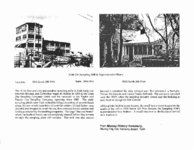
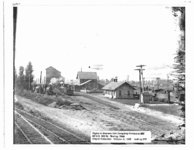
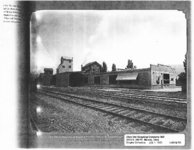
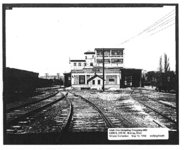
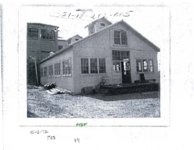
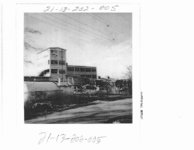
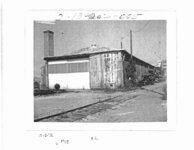
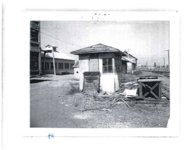
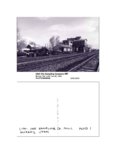
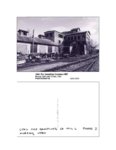
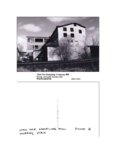
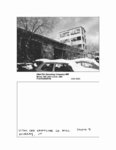
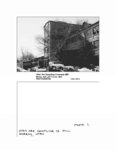
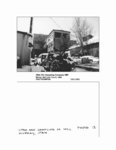
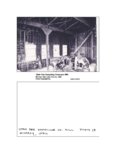
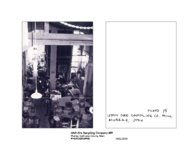
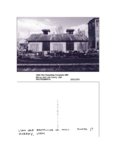
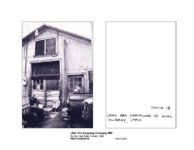
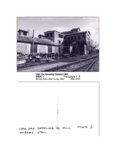
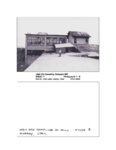
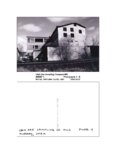
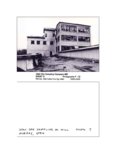
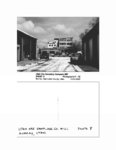
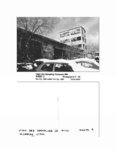
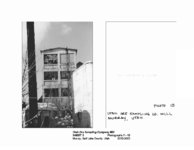
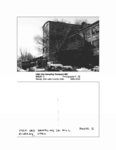
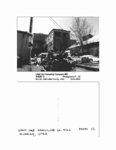
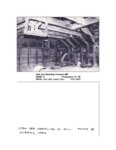
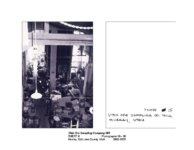
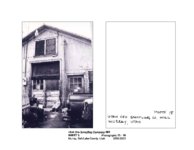
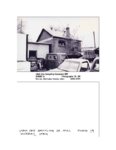
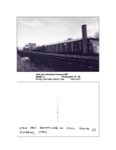
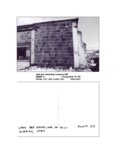
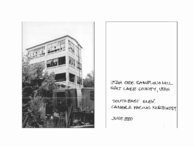
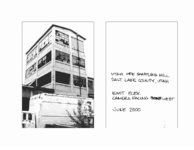
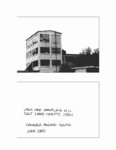
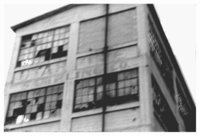
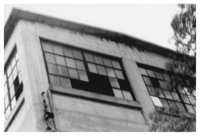
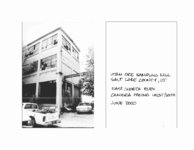
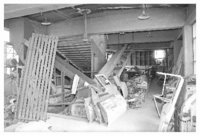
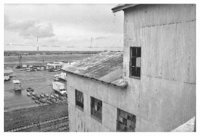
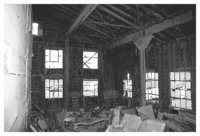
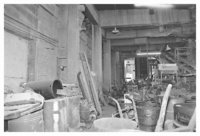
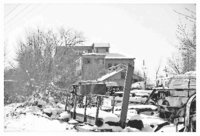
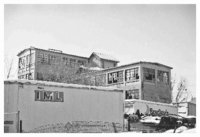
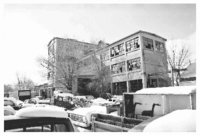
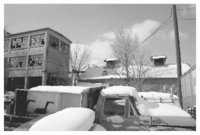
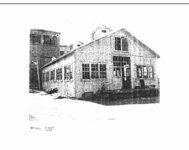
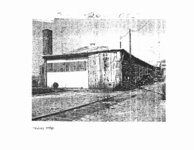
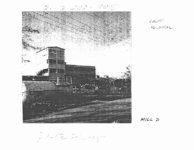
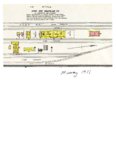
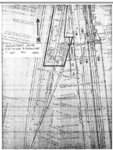
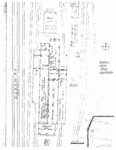
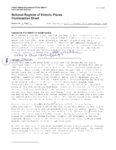
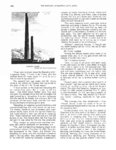
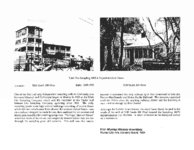
Show Chapter 3 Community Reliance (1920-1939) hard times for the Utah are Sampling Mill (UOS) . As the Tinti mines diminished in output and the smelter trust consolidated the smelters, Knight Enterprises closed all but the Murray mill . Knight Enterprises continued to operate this mill until 1934. When many! of the mines reopened, they did so as consolidated ventures tha included their own sampling and smelting operations. AlthougH the Utah are Sampling mill did not close, one of its two sampling units discontinued operation and the other unit employed minimai shifts during the 1930s. Knight Enterprises finally relinquished ownership of the mill in 1934. Murray's other heavy industry also depended on the smelting industry and was hit hard by the Depression. Early in the 1880s the Utah Fireclay Company began to provide thermal bricks for lining smelter kilns . As the smelters closed, demand for the specialized products produced by Utah Fireclay was reduced . This ultimately led to the decline and closure of the plant in the 1950s. The smelting industry had dominated Murray's economy since the 1890s. Close to one-half of the eligible workers in Murray were employed by the smelting industry for thirty to forty years prior to the temporary closure of the ASARCO plant in 1931. Even those families not directly employed by the smelter were dependent on the income of the smelter workers for economic survival. That the community suffered greatly during the Depression is not surprising. Faced with the collapse of the economy, Murray residents turned to rely on the community spirit that founded the settlement in 1849. In contrast to heavy industry, Murray's domestic and agricultural endeavors continued to increase during the Depression. The numbers of local agricultural enterprises increased to supply the foodstuffs required by the struggling nation; this provided more jobs for the community. For example, the Hyrum Bennion and Sons Flour and Feed Mill had been rebuilt and expanded in 1909. The changing economy forced the mill to adapt to new conditions. Murray's farmers were no longer focused on wheat and grain as their main source of income. Bennion and Sons continued to produce flour but began to rely more on the production of fish feed for trout being raised in ponds located on the benches of the Wasatch Mountains five miles to the east. Eventually the production of fish feed overtook the flour and livestock feed production, and those portions of the mill were phased out by the time Sterling H. Nelson & Sons, Inc. took over the mill in 1942. The smoke problems from the ASARCO smelter during the 1910s combined with growing urbanization to cause the demise of Murray's cereal grain production. While the Utah Product Company continued to operate on a seasonal basis during the 1920s and 1930s, providing jobs and markets for the fruits and vegetables that replaced the grains originally grown in the Salt Lake Valley, the majority of Murray's farmers shifted to truck farms and expanded their dairy cow herds during the 1920s. The Erekson Dairy began in 1920, when Jonas Erekson came to Murray with four cows and the desire to build his own business . Erekson built his dairy into one of the largest in the valley during these two decades . John Gammagacel, Mike Borich, and the Ramacellies were among other immigrants who gravitated out of the mines and smelters and started truck farms along 6400 South. 7 Abraham Markosian tells about his involvement with truck farms during his youth: "Truck farming was pretty active-truck farming and sugar beets. One of the major industries, too, that we as kids relied on for summer work was the truck farm. They were vegetable farms that were owned and operated by Japanese or Italians or Greeks . They were the ones that usually had the nice farms and I used to work for them during the summer. The average wage then was a dollar a day . I remember I worked six days a week for six dollars . It was working in the radishes and the tomatoes and celery and the different crops, and it was good work. The other activity that was quite prominent was sugar beets. As soon as school was out, we'd go work on thinning the beets. I remember we were paid six dollars an acre and you had to work really hard to consistently make a half an acre a day, and that would be long, hard work. You would walk down the rows and thin out the beets, leave a single beet every twelve inches, and then you ' d go down one row and back the other without raising up. You'd work hard for a half an acre, which would be three dollars . I never did make an acre! There were some of the older boys who could do an acre a day . I was never able to do itthat was a monstrous chore, to do an acre of beets! And during the wintertime we' d top the beets to provide us some extra income. It was seasonal work, but it was good work."8 New agricultural enterprises also built up in Murray during the Depression. The Murray Poultry Ranch began in 1930 as a direct response to the progressive loss of smelter jobs to the Depression. 42 43 |