| OCR Text |
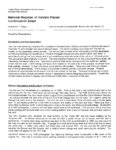
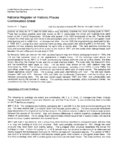
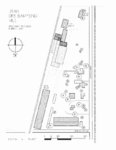
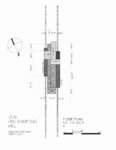
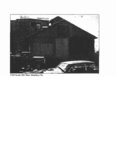
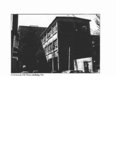
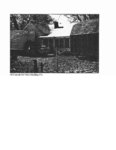
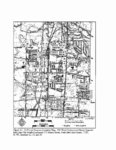
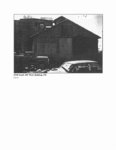
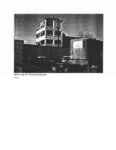
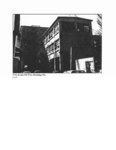
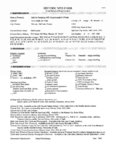
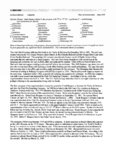
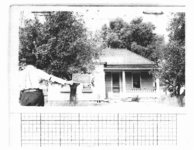
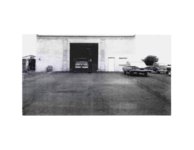
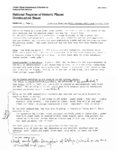
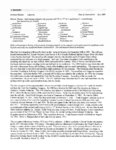
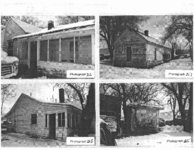
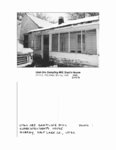
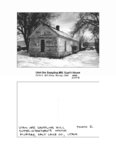
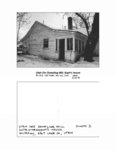
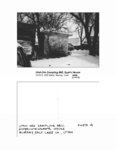
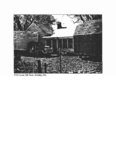
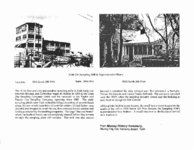
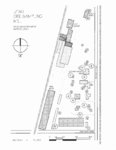
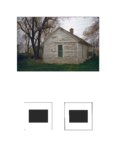
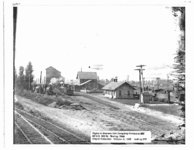
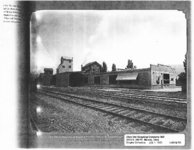
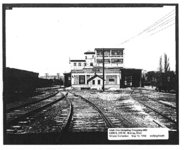
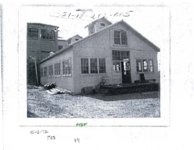
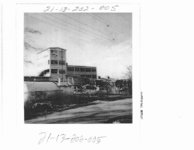
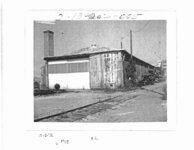
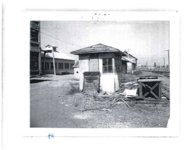
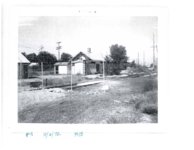
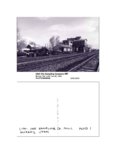
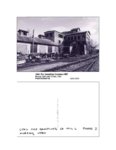
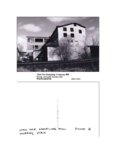
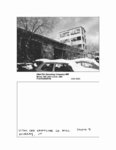
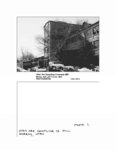
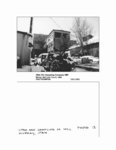
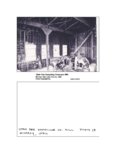
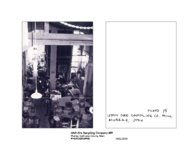
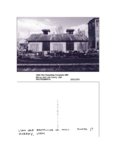
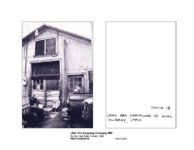
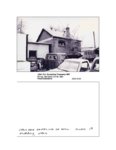
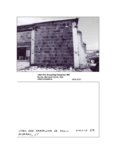
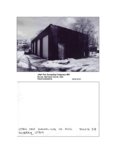
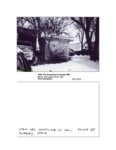
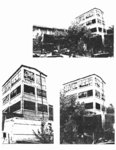
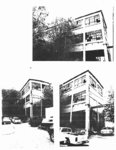
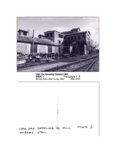
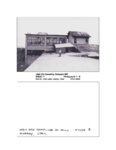
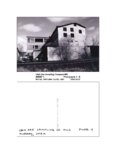
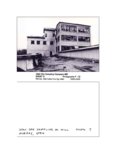
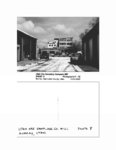
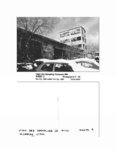
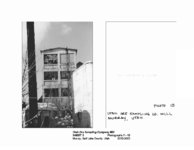
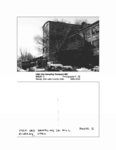
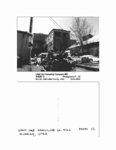
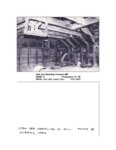
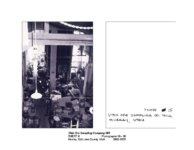
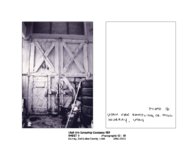
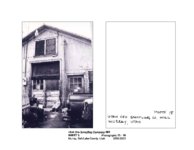
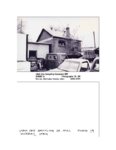
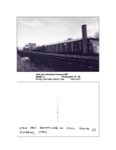
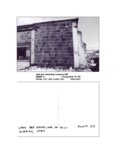
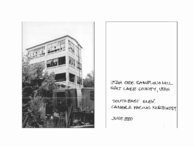
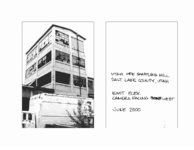
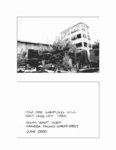
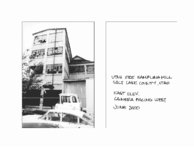
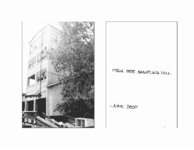
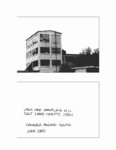
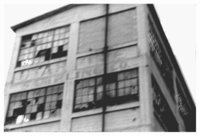
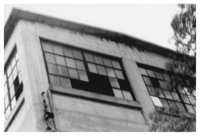
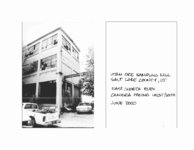
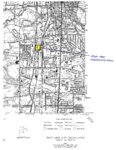
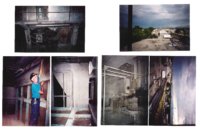
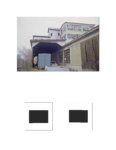
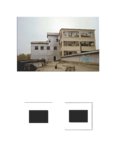
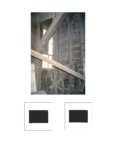
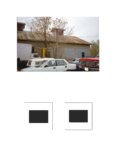
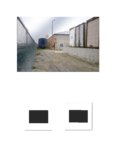
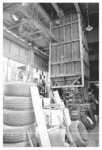
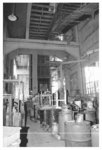
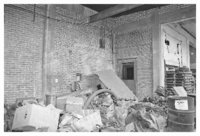
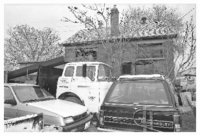
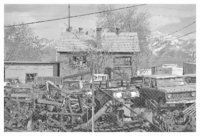
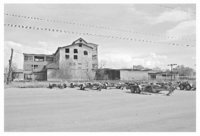
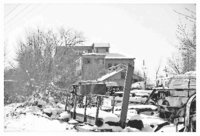
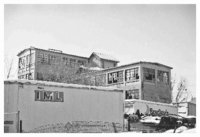
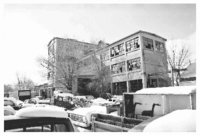
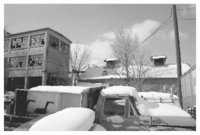
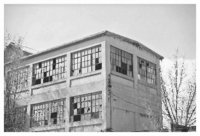
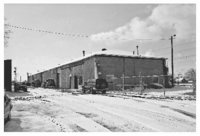
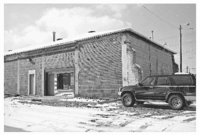
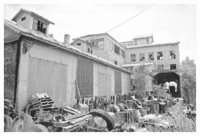
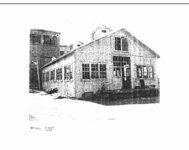
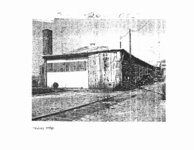
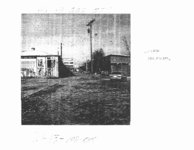
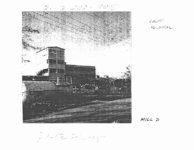
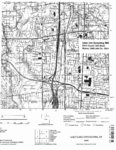
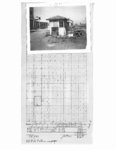
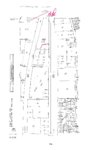
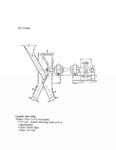
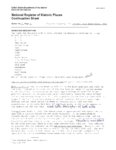
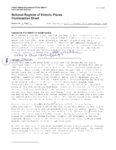
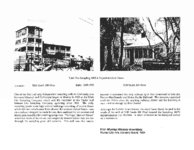
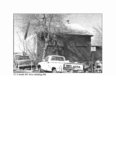
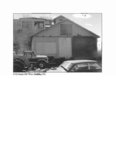
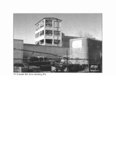
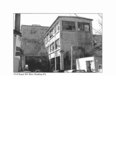
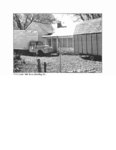
Show United States Department of the Interior National Park Service OMBNo.l024-001'. National Register of Historic Places Continuation Sheet Section NO.JL Page ...L. Utah Ore Sampling Mill, Murray, Salt Lake County, Utah NARRATIVE STATEMENT OF SIGNIFICANCE Built between c.1893 and c.1934, the Utah Ore Sampling Mill is significant under criterion A and C as part of the mUltiple property submission Historic Resources of Murray City 1850-1950. Under Criterion A, the mill is significant for its association with the historic context of Industrial and Commercial Buildings of Murray. Under Criterion C, it is significant as the last collection of structures associated with the development of the mining industry in Murray. The Utah Ore Sampling Mill retains its historic integrity and g~lY contributes to the historic resources Murray Ci~r,~~ ~ ~hc· ot VJ~ \}. ~u. ~-\f~-""? HISTORYcA~ Murray City lies eight miles south of Salt Lake City between Big and Little Cottonwood Creeks. It is named for Eli Murray, territorial governor from 1880 to 1886. Murray was settled in 1849 as part of the initial expansion south of Salt Lake City. Early residents of the area divided the grasslands into homesteads or parcels where they raised cattle and cereal grains. Most of the cattle provided dairy products, while wheat, corn, and some rye were grown to feed the family and animals. Despite an agricultural beginning, Murray quickly developed into an industrial community. In 1852 the Bingham brothers discovered silver and gold ore in the Ouiirrh Mountains to the west. As LDS church leader Brigham Young discouraged Mormons from mining, it was not until the arrival of Col. Patrick E. Conner in 1862 that the mining boom began. Conner and his men left California and arrived in Utah with "gold fever"; the volunteer soldiers were eager to prospect in the mountains surrounding tne Salt Lake Valley.4 With the abundance of ore in both the Wasatch and Oquirrh Mountains, mining-related industries were soon established. The arrival of the Utah Southern Railroad in 1871, and the Denver & Rio Grande in 1881, virtually guaranteed the growth of the smelter industry in Murray. Wood~l Brothers~smelter Construction of the in 1869 initiated Murray's industrial history. Murray produced the first silver bars smelted in Utah in 1870. Business and commercial enterprise prospered along with the smelter infustry. The smelters continued to dominate the local economy until 1950 when the fASARCO lead smelter, the city's largest employer, closed. Murray was praised as a shining example of cooperation between business, industry, and government in the early twentieth century; it was hailed for having its own water plant, lighting system, smelter, canning factory, flour mills and brick yards. By 1880 the small town of scattered farmsteads boasted a small commercial business district located on State Street between Vine Street and 4800 South. Its centralvalley location and plentiful water have allowed Murray to evolve from an agricultural to an industrial and suburban community. |