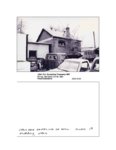
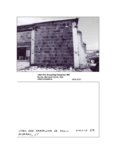
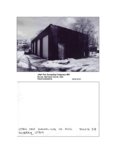
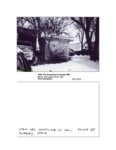
| OCR Text |
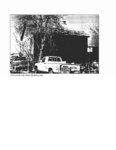
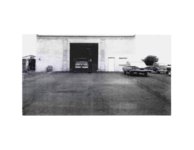
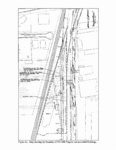
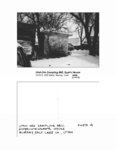
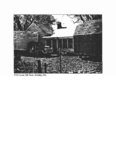
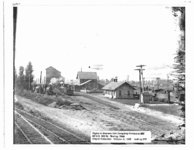
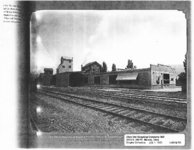
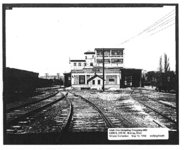
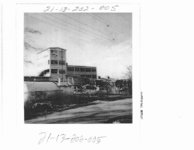
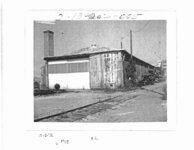
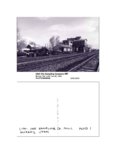
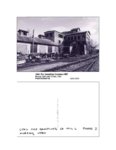
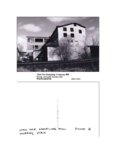
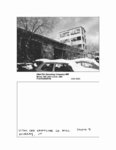
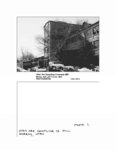
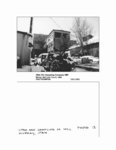
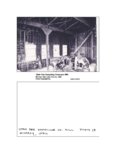
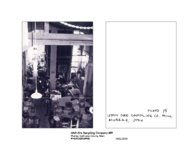
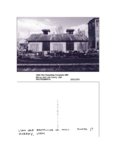
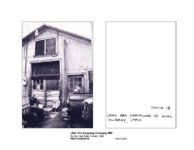
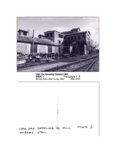
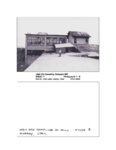
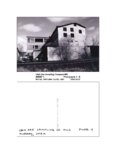
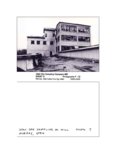
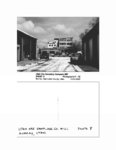
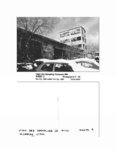
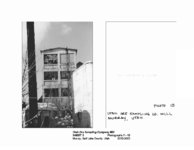
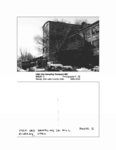
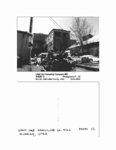
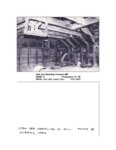
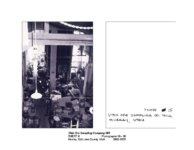
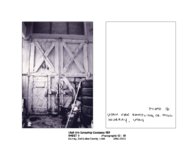
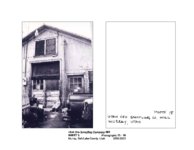
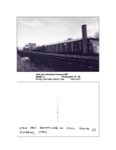
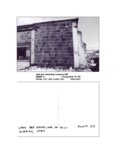
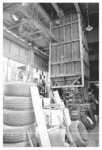
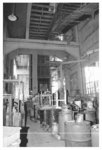
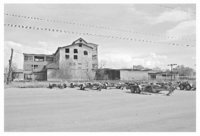
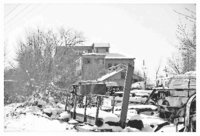
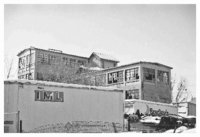
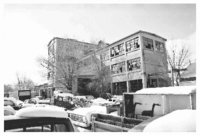
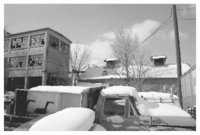
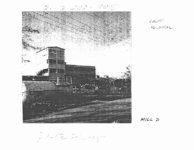
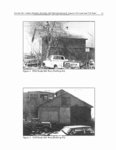
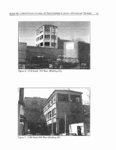
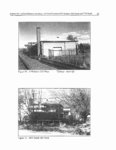
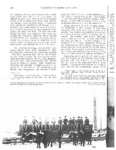
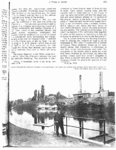
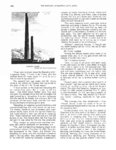
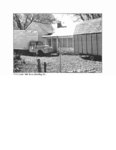
Show 254 THE HISTORY OF MURRAY CITY, UTAH the company officials and returned with a statement which said that the company would pay $200.00 an acre for all land south of Cottonwood Creek, north of 5300 South Street, and between the railroad tracks and State Street. A reasonable price would be included for all houses, with a maximum total dollars declared for land and property. A committee called on every property owner getting his price , but when that task was completed, the total price asked for the homes exceeded the company 's maximum dollar amount by $10,000.00. The committee got every lawyer, doctor and property owner to subscribe to the cause, raised the additional money to payoff the land owners and obtained the A. S. & R. plant. ::" The American Smelting and Refining Company's Murray plant , when completed in 1902, was the most up-to-date and largest lead smelter in the State, handling 1200 tons per day through its eight blast furnaces. The ores smelted at this plant were obtained from Park City, Alta , Bingham, Stockton, Ophir, other Utah districts, and from the States of California, Oregon, Idaho, Washington, Wyoming and Colorado. :: It might be just a coici dence, but it was also in 1902 (November) that Murray was incorporated, and became a third:\ ~Rasmussen, "A History of Murray, " pp . 5-6 of appendix. :1:IThe Mining Industry of Utah (Salt Lake City , Utah , 1941), p . 36 . class city. The A. S. & R. smelter perhaps Was 2 key factor in helping to bring about incorporation but the one sure thing about the smelter is that i: brought a good deal of money to the city an d established Murray as a thriving community. Along with the A. S. & R. bringing wealth to the community, it also brought the low-incomE foreigners who came to Murray to work in thE smelter. The smelters demanded a type of labor with which the early settlers of Murray were not familiar. The Southern and Eastern Europeans came to Murray to fill this paticular labor market and they are still an important element in the composition of Murray's population. These people, being primarily from Greece, Austria, and th e Slavic countries were typical of the Utah mining population . These people went to where the mining industry was booming , such as Price or Bingham. or to the smelters of Murray and Midvale. During the years the A. S. & R. was in operation , the majority of the laborers were foreignborn and from 1940-45 the figures are given that fifty per cent of the employees were of Greek descent. :' This foreign-born element of Murray not only reflected the predominate worker at the ::'R eed Cl egg , "A Sociological Survey of th e Murra\ Community ," (Masters thesis, Brigham Young University 1959). pp. 7. 12. :: c'G. Webb Snarr, "Fact s and Information about Murra\ City. th e Ce nte r of Sa lt Lak e County," (Prep ared by Murra, Cit y El ementary School s Su mm er Workshop, 1965), p. 16. Ore car was pulled by th e oxen. The men unloaded the car. James W. Cahoon and Jos eph Cahoon h ad a contract with the Germania Smelter to haul ore with th e oxen. N ego/;v e 01 Don Blo;,'s SIud" " srnelt t aro un ( scale he fO I tracks Ret about at tha engag provid cost \' 5rneitE crowd in a v, the sl , the Wi the gr, 50 ha brougr ated c today. Th· Iy fail and VI 3G G munity,' Smelter |