| OCR Text |
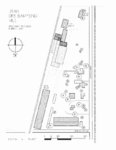
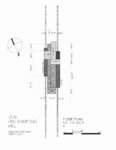
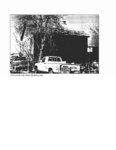
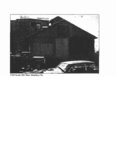
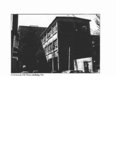
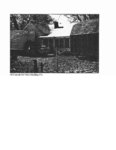
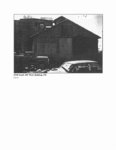
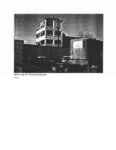
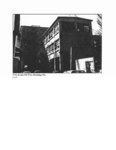
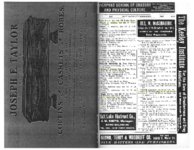
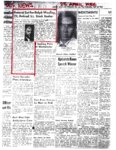
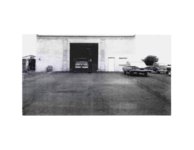
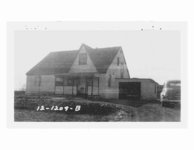
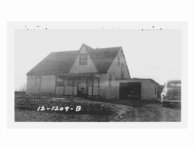
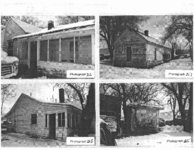
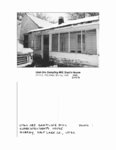
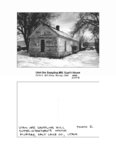
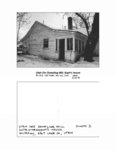
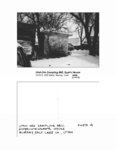
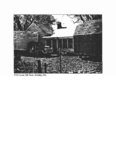
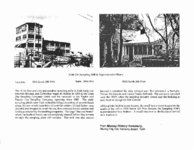
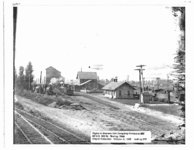
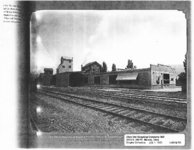
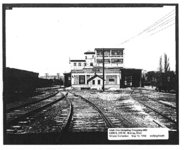
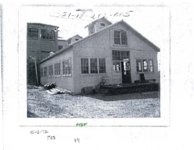
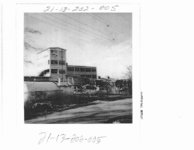
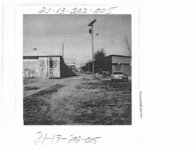
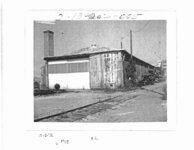
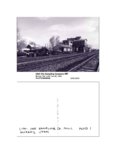
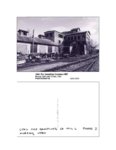
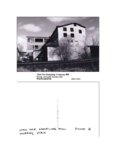
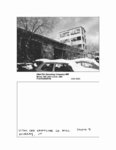
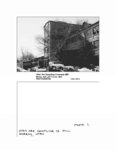
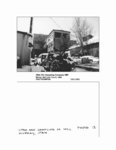
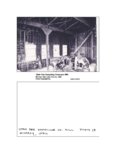
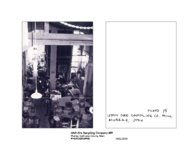
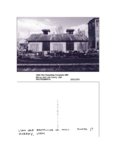
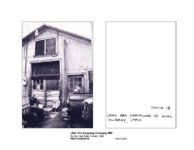
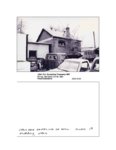
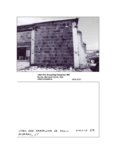
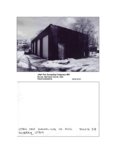
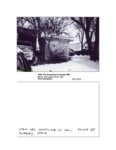
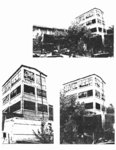
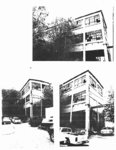
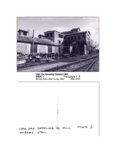
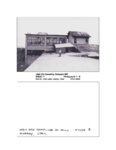
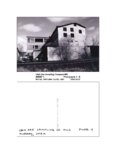
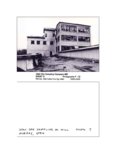
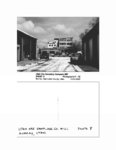
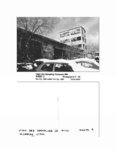
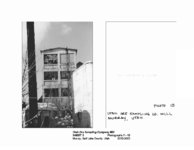
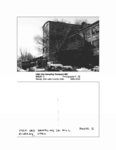
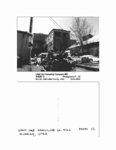
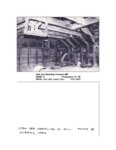
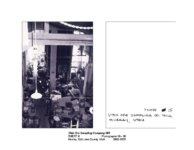
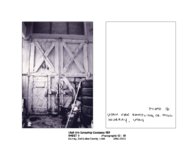
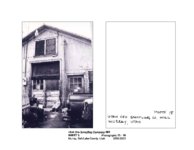
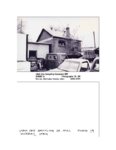
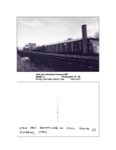
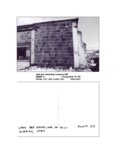
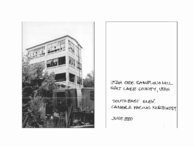
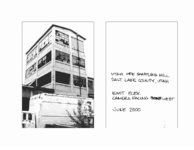
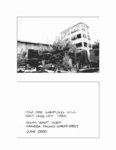
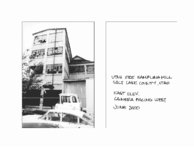
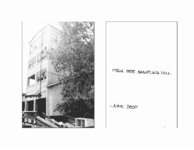
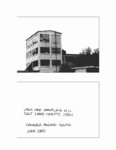
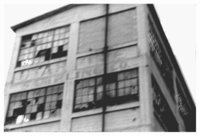
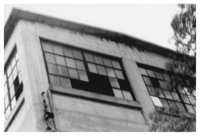
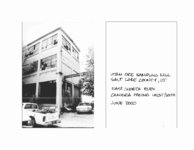
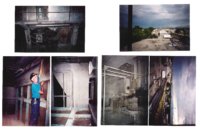
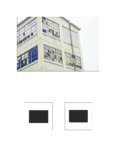
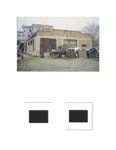
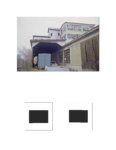
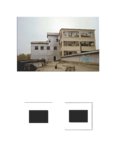
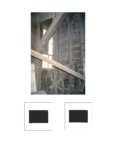
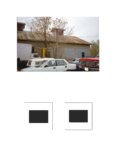
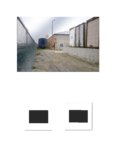
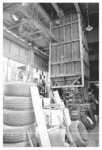
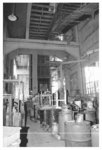
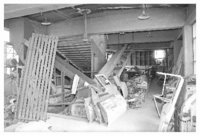
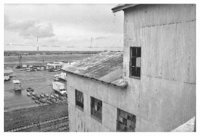
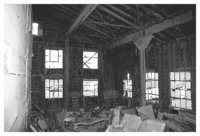
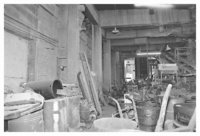
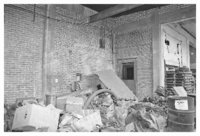
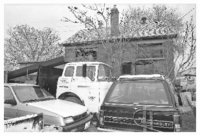
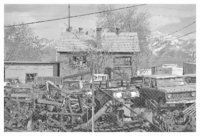
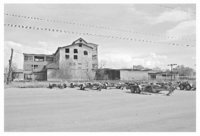
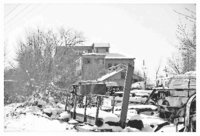
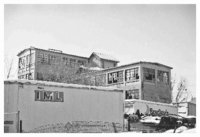
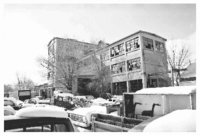
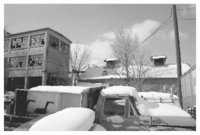
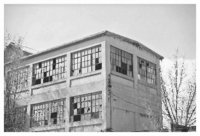
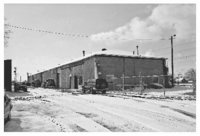
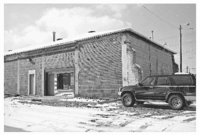
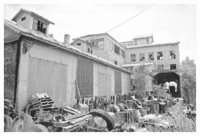
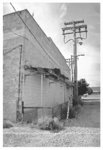
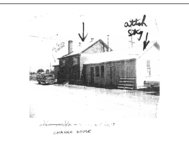
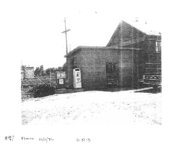
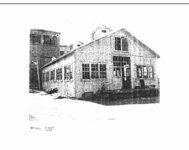
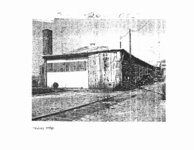
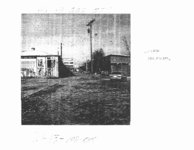
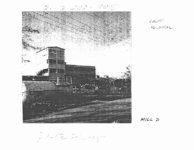
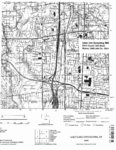
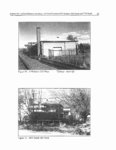
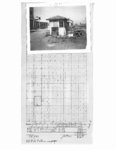
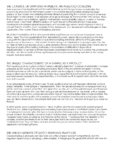
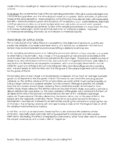
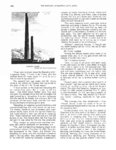
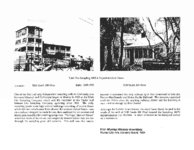
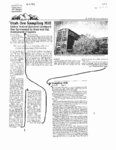
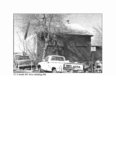
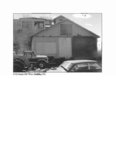
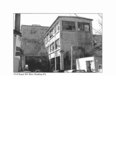
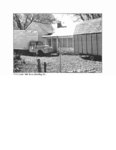
Show ASSOCIATION Clipping Service (SUI) 328-8678 GREENSHEET Hi&tor,y ~~~~~=-::;;;;--;;;;;;;;;;;;;:;:;;;;;;;:::===.;;=.::::=== f1Utah Ore Sampling Mill Seldom Noticed HUltorical Landmark Now Surrounded by Road and Rail Development Pro6pect& Rebpcco Etter (;'I'cn Shed S taff Writer Things arc not fllways what they ~ee m . Take for f'xample, the LiilapidatC'd structure that lonJll ~ eeri ly ove r the smokestack story. wfhe Sampling Mill accents the "melter site development with a historic flavor. It has a lot of charm," said Kirk . "There is tremendous historical significance in that structure, and if we hAve to lose the stacks, this is the next best thing to save," Murray's cus m ore sampling mills were crucial to t e success of the smelters. ~ lur r "y City just cast of til " freewny a t 5500 South 300 Wesl. This ghostly rrmnant of an on' sa mplillg mill bustled with · energized workers Bnd streamline Illachine ry in 1909. H now ftlnctions as a war('hou~e for hits of ~nap 11\(,\,,1 nnd flutoIlll1tiVI' lmrts, and sits quietly in the city, as if ..... ;Iitillg patif"n tly for its final day. A brother to th£' city's ancient smokestacks, the mill looks as if it is a useless historic . One of the first independent ""mpling mills In Utah, and the only one of iL. kind between Missouri and California, the Utah are Sampling ~1i1l (!JOS) was the successor to the Taylor and Brunton Ore Sampling Company that had operated since 1890. Beginning in urray III 1909, the mill used its high vertical oors to elevate and drop ore to crw~h it into jeces. The are, which came from aJi over the estern United States, was then analyzed for ontent and sent to the smelter where it was Th e Utah Ore Sampling Mill in Murray is most easily visible (rom / -15 south o( 5300 SOIl/h. purchased . Murray resident Bill Coult worked at the Utah are Sampling Mill as a young man for six years, until its closure in the 1950s. At age 70, Coult said he can still remember his daily duties at the site, as a crU!~her operator an i hopper worker. The place was filled with dust, he said, an, laborers continually used fox tail brushes t sweep behind the equipment and air hoses 1 ~ truclure . fl', nul. In fact, the Utah are Sampling Mill is situat. ed on a vnritable gold mine. !Just A few yards to the west, fiber optic lilli 'S are buried beneath the ground . Th the east· near 300 West • Light Rnol tracks pass in front of the mill's open win. dows. And the new Nnrth/South road corri. dar being engineered in the rity will soon proVille resid e nts with immediate acccss from the mill to the heart of Murray's downtown. What's more, the building is up for sale. It hilS been for five years. Bob Conrad bought the are Sampling Mill 10 ycarA ago when he nc('ded storage space for an odd mixture of auto parts, and he said it has serve ' l,im well. Two scrt. ~ooking guard dOl!~ ke,~p watch over hili fortune, and wired f(mer's protcct thp. wandering I p.sidcnt from tmipsing too near the haphazard accumulation of metal. S~pling Jontinued Mill page 5 -rq,low the whole thing down ." A mosaic of windows decorating . Conrad said he is try. 109 to "get rid of the 01' mill" because he wishes to "get on with other things in life: but does. n't want to see it torn down . He said some developers have showed interest in the concrete structure for its historical significance and prime location in Murray City, but are waiting to see what happens with the smelter Bite cll'velopment before taking any action. Another Murrayite ~nd lo\'er of the past, Cultural Director Mary Ann Kirk, hns also voiced support for saving th. mill. She SAid it 1~ ill1otfu'r way to tell the exterior of the mill - nearly 3,000 in total · were also len open, providing the dust with an easy escape . When Coult worked on the hopper, he said it was hiA duty to dump the are from the trnin cnr through a belt to the crusher. As 8 crusher operator, he look that ore ano crushed it down so it could travel through a helt to i>e ground into a powder. "Those were such good people I worked with there," remembered Coull. "I waS sad to see it end . They were nice peopl e· real good." Mer workers like Coult ground the ore into a thin powder, most of the ores were then sent to the American Smelting and Refining Company (ASMCO) for processing' ncar the large stacks that remain at today's smelter site. Murray's custom ort sampling mills were crucial 10 the success of the smelters, and unlike most mills, the UOS was not associated with a .pecine operating smelter. Independent mines and mills therefore knew they could trust uas to assay their ores without prejudice. The sampled oreB could then be Bent to the Bmelter, and the owners knew the yield of variouB metals from the ",sayed ores. The UOS operated until the 1950s, when the smelting indus· try in Murray ceased, though hard times had b,'gun for the company durin~ the Great Depression of the 19:108 when many mines either closed or cut back their operations and the ASARCO smelter teJlPorarily closed. Ali many of the mines reopened, they did so al consolidated ventures that included their own sampling and smelting operations. In additio. to the mill, a large wrhaw House," where car loads of fro",n ore were completely thawed before they were run through the sample plant, still remains. Neighboring resi· dent Clyde Wolfe said he remembers wallUng through the site as a child ani seeing the gondola carts filled with thawing ore . "When my faher was a worker there, the mill was so rich with ore. It was slipped in from all over the place," he said . "Really that's all th.t is len of the past here. 1 hope that some of see" Sampling Mill., " page I |