| OCR Text |
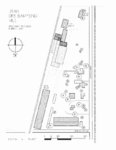
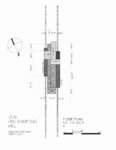
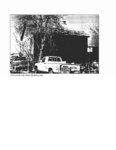
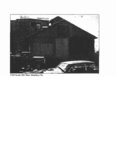
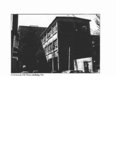
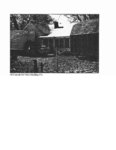
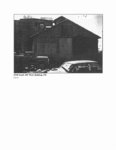
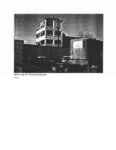
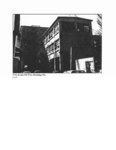
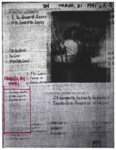
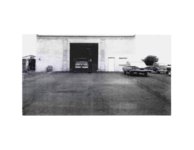
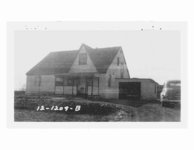
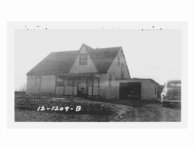
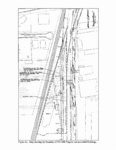
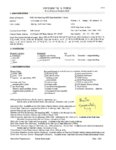
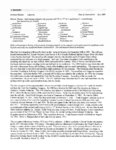
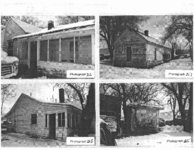
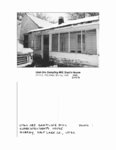
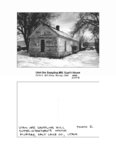
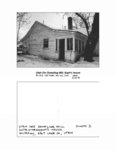
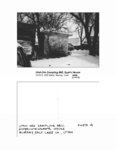
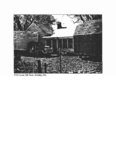
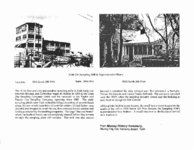
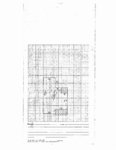
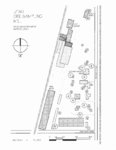
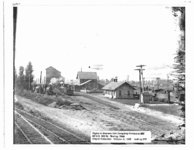
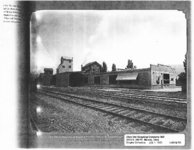
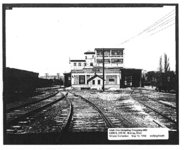
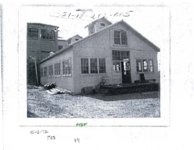
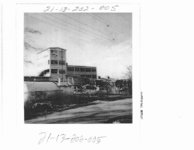
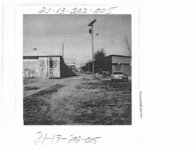
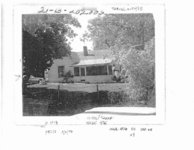
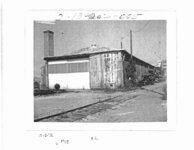
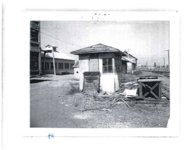
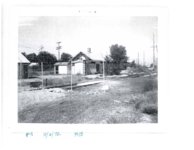
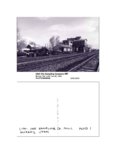
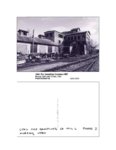
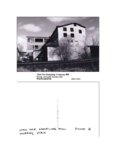
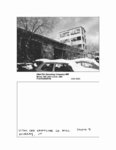
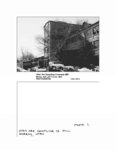
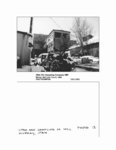
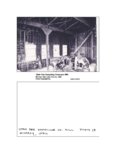
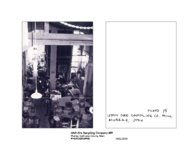
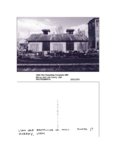
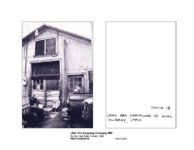
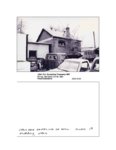
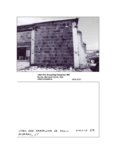
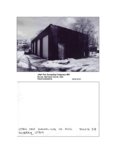
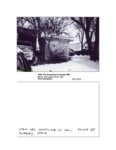
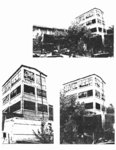
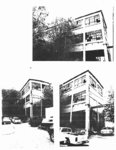
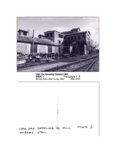
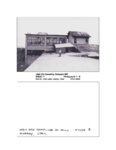
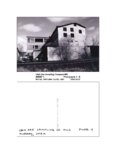
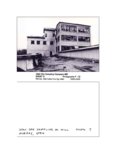
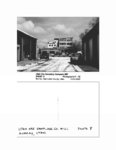
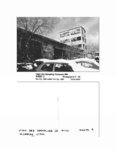
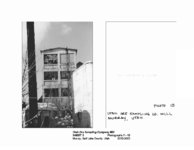
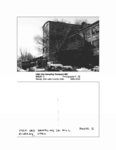
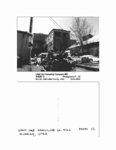
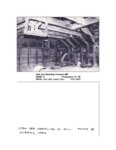
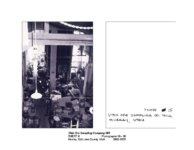
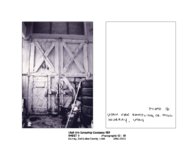
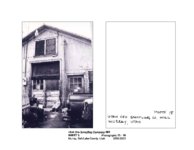
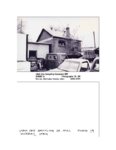
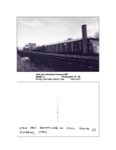
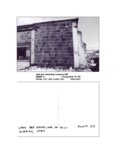
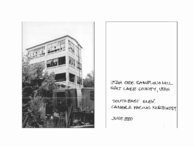
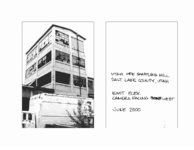
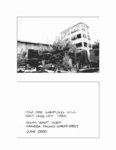
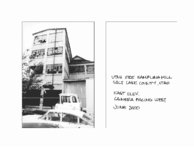
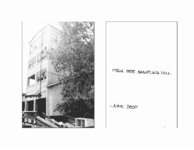
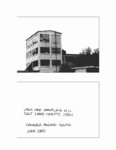
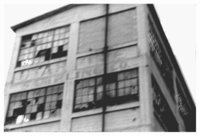
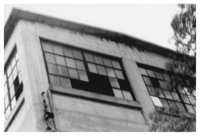
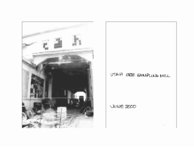
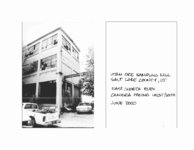
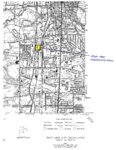
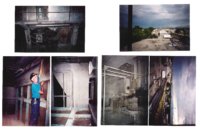
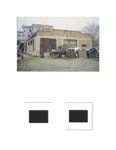
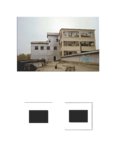
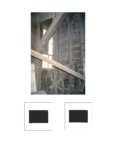
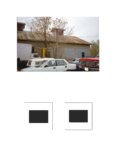
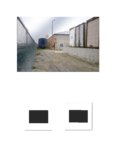
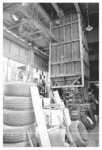
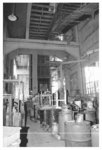
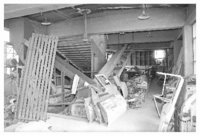
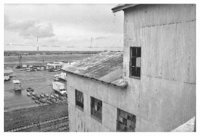
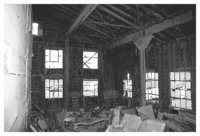
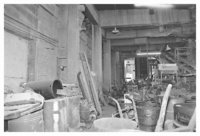
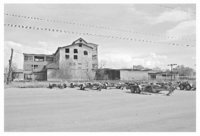
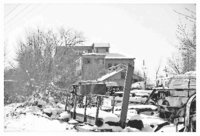
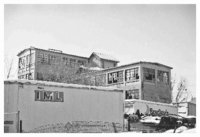
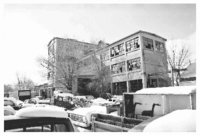
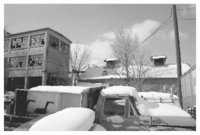
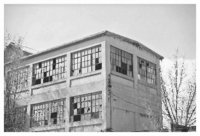
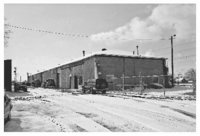
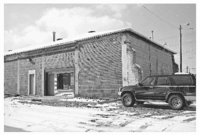
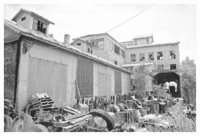
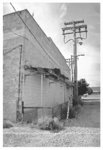
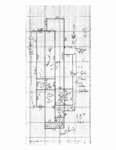
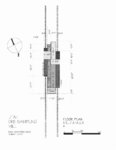
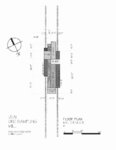
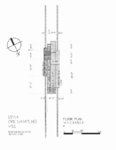
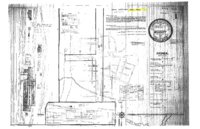
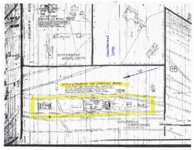
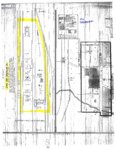
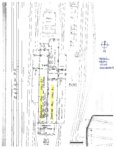
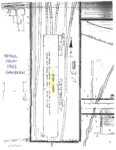
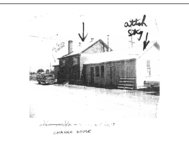
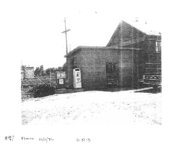
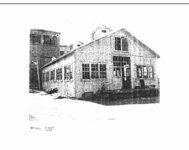
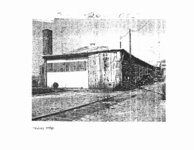
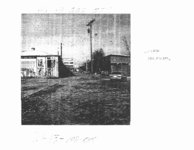
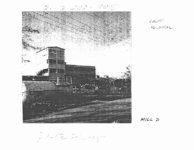
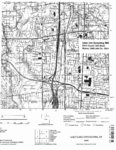
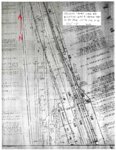
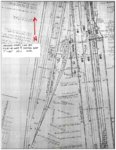
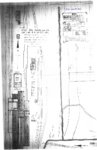
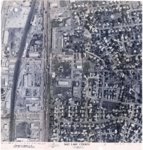
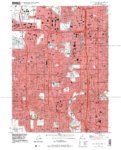
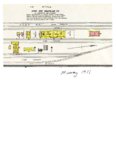
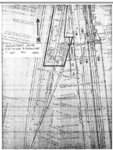
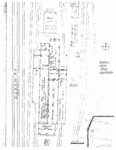
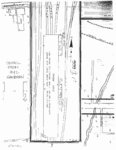
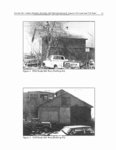
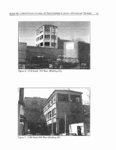
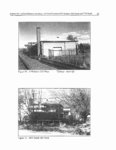
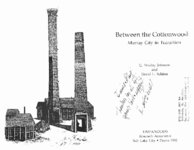
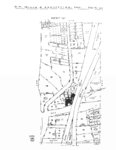
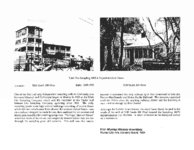
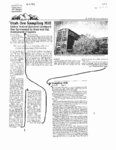
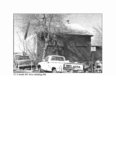
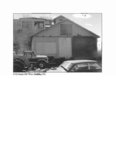
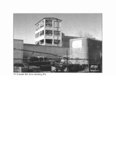
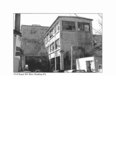
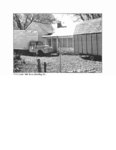
Show OMS No. '024-00'5. NPS Form United States Department of the Interior National Park Service National Register of Historic Places Continuation Sheet Section No. Z Page 1 Utah Ore Sampling Company Mill , Murray, Salt Lake County, UT Narrative Description Introduction and Site Description The Utah Ore Sampling Company Mill is located on the west side of Murray just south of 5300 South west of Interstate 15, and between two sets of railroad tracks. The extant buildings associated with the mill are located on two separately owned parcels. The mill complex consists of the mill building and five associated, contributing buildings are located on a 4.03-acre triangular-shaped property at 5510 South 300 West. A secondary building, the thaw house, and a non-contributing shed are south of the mill on a 1.20-acre parcel. The two parcels were originally combined . The most important feature of the site is the set of four parallel rail lines along the west property line. Both the mill and the thaw house had spurs into the buildings (partially extant, but not used). Other sidings and spurs were located on the east side of the property, but these have been partially removed. A chain link fence surrounds the mill complex. There are a few trees and shrubs, but no formal landscaping. The buildings and yard are currently used for auto parts storage. Physical evidence of some demolished structures and rail lines remain on the site. The extant buildings are in good structural condition, though somewhat derelict in appearance (see building descriptions below). Overall the mill site retains its historic integrity and contributes to the historic resources of the area. Historic Description and Evolution of Property The site was first developed as a sampling mill in 1892. Prior to that time it was farmland and part of the right-of-way for the main north-south rail line through Salt Lake County. The 1898 Sanborn map shows the mill located between the main tracks of the Oregon Short Line Railroad and the Rio Grand Western Railroad. Two sidings serviced the east side of the mill and three sidings were on the west. An irrigation canal ran through the north end of the property. The first mill was a three-story frame structure with a simple gable roof. It had loading platforms to the north and south, and scales on the east and west. There was also a brick office building to north , a frame blacksmith shop to the south, and three small outbuildings. By the time of a 1906 photograph, a second mill had been constructed to the southeast. This structure was a four-story frame building with multiple shed roofs and a loading platform over a spur on the west side and with scales to the east. The 1911 Sanborn map identifies the older building as the "Oxide Mill" and the newer building as the "Sulphide Mill." Additional structures at the site included a pump house, an oil house, ore bins and a transformer. A frame cross-wing residence was built for the mill's superintendent in 1909, but was south of the area included on the Sanborn map. A garage and small washhouse were built behind the house about the same time. A frame "yard office" and shed were built around 1913. By this time the Rio Grand had become the Denver and Rio Grande, with a total of seven sidings and spurs servicing the complex. The canal does not appear on the 1911 map. Sometime before a July 1925 photograph , two adjoining buildings were constructed to the south of the Original mill. One was a five-story frame building covered in corrugated metal (probably built in 1924, but |