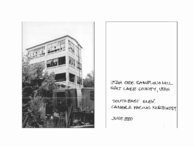
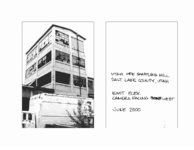
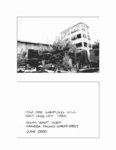
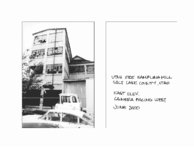
| OCR Text |
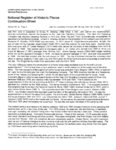
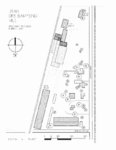
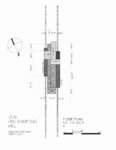
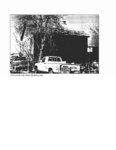
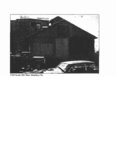
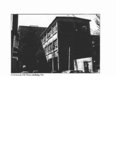
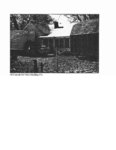
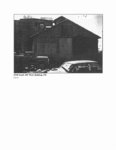
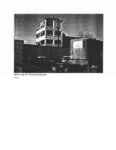
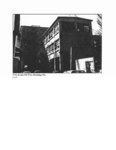
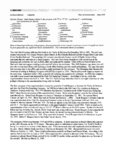
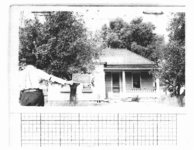
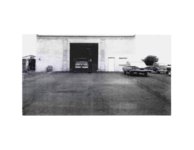
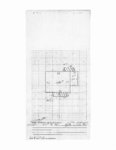
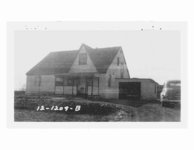
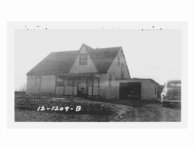
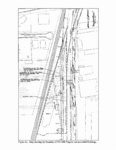
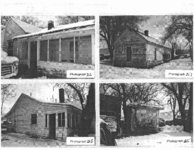
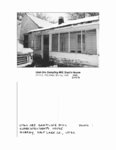
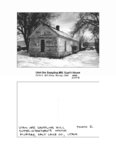
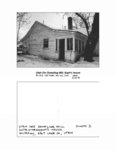
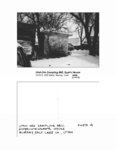
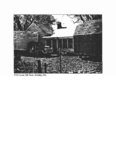
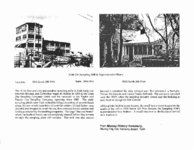
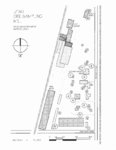
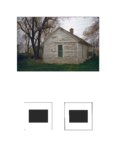
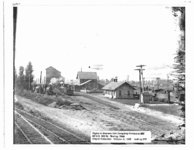
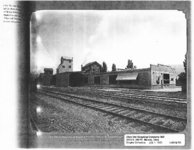
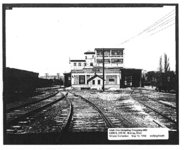
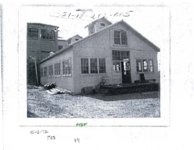
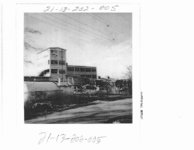
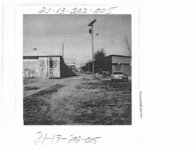
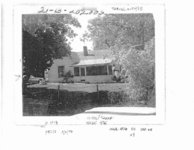
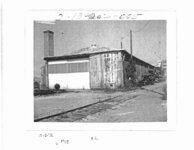
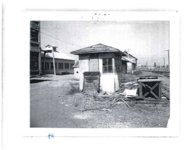
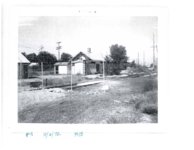
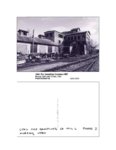
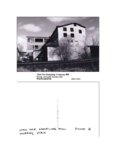
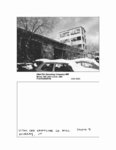
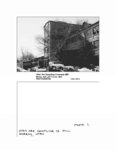
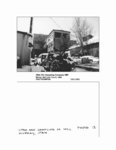
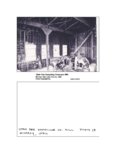
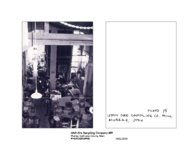
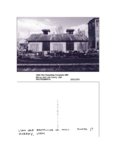
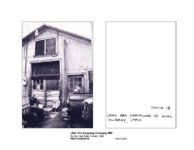
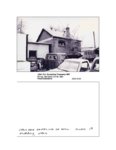
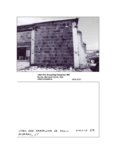
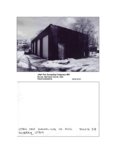
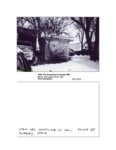
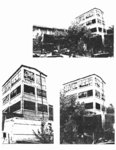
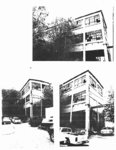
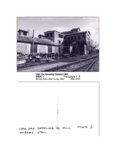
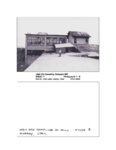
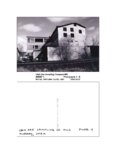
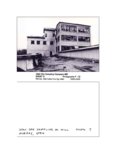
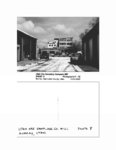
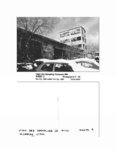
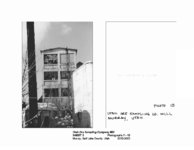
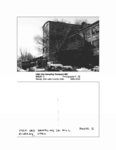
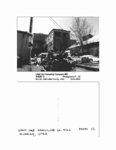
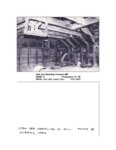
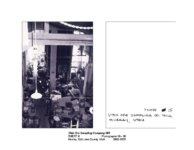
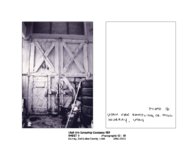
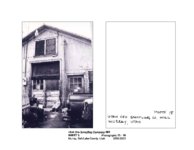
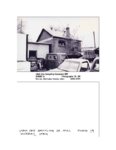
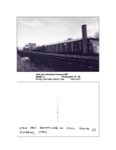
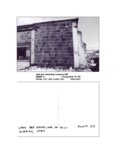
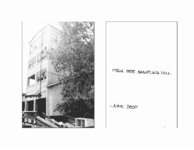
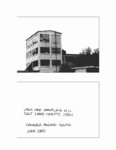
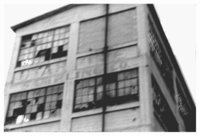
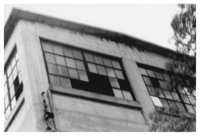
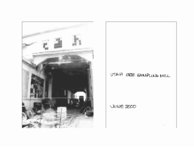
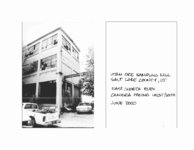
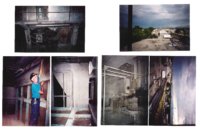
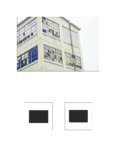
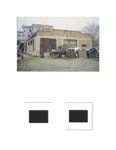
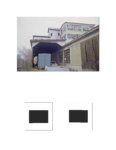
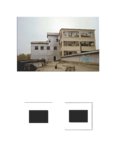
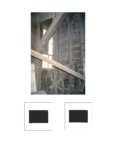
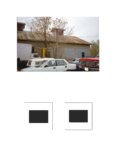
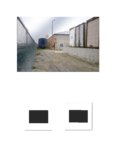
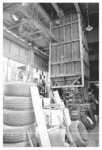
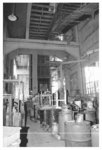
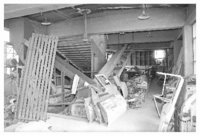
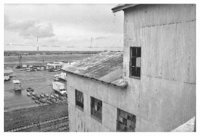
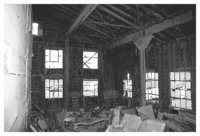
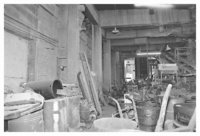
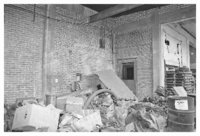
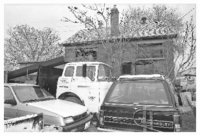
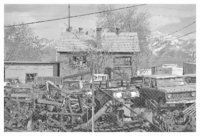
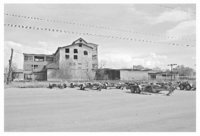
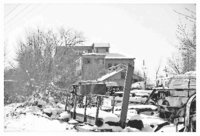
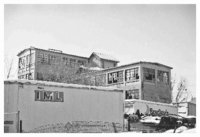
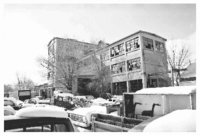
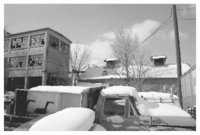
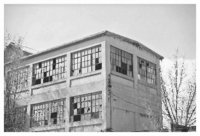
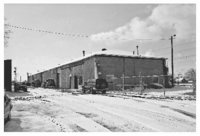
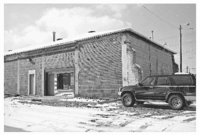
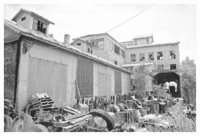
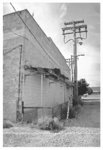
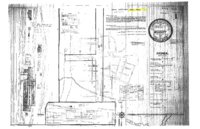
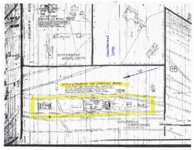
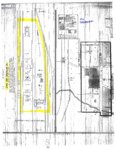
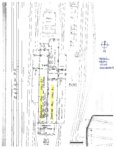
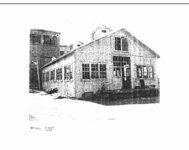
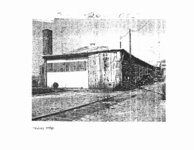
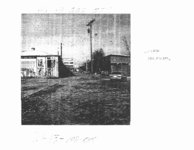
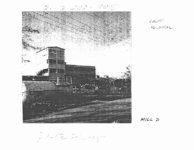
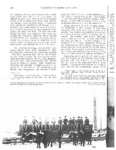
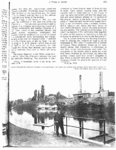
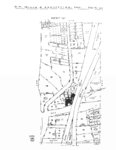
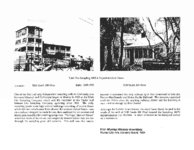
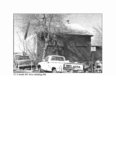
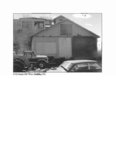
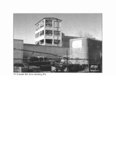
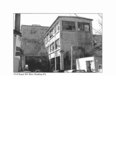
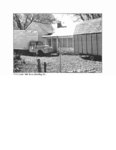
Show OMB No. 1024-0018. NPS Form United States Department of the Interior National Park Service National Register of Historic Places Continuation Sheet Section No. ~ Page I Utah Ore Sampling Company Mill, Murray, Salt Lake County, UT and never had to close down for want of ore or for labor trouble.',11 During WWII all tungsten ore and concentrates purchased by the government agency in Salt Lake City were sampled through this plant. Additional shifts of eleven men were required to keep up. The sampling mill remained in operation for eight years after the closure of the ASARCO smelter in 1950. ( After the sampling operations closed in 1958, the mill property was sold to the J.J. Coan Company. It was later sold to the Spratling Investment Company in 1964. For a short time the mill buildings were leased by Utah Technical Industries Shop. The mill was vacant between 1967 and 1974 and suffered some vandalism, especially to the windows. Between 1975 and 1987, the All Minerals Corporation used the mill, primarily as a be rite processing plant. The All Minerals Corporation inst~1 orne equipment in the building and made a ed and Bonnie Gunderson, heirs of Erma few changes to the interior. In 1989, the property was d ed Spratling. The Gundersons sold the mill and its outbuilding 0 Bob Conrad in 1989. They sold the thaw house property to William Winger in 1990 and it currently used as storage. Bob Conrad operates his business, Bob's Automotive Center, a parts and salvage yard, in and around the mill complex. He is the current occupant of the superintendent's house. In the 1980s, the EPA tested the site for potential toxic materials. Though the toxicity of the site has been assuaged, the current condition of the property ,i~.J.0~what hazardous. There is some broken glass and metal, and the owner's highly prized collection o~~Utdm'obile parts fills every square foot of the interiors and yard. The surviving buildings are Mill C and Mill D, the thaw house, the shop, the change house, the oil storage-coal shed, and the superintendent's house. The buildings ranged in condition from fair to poor, but all are structurally sound. (Mill D's concrete piers do not vibrate when a train rumbles by.) In 2002, architecture student, Connie Holt, who studied the mill as a potential adaptive reuse project, described the mill site in the following way: "The buildings are in disrepair and have few if any windows in tact and unbroken. The materials of the buildings are worn, even dilapidated. Yet there remains a sturdiness to the shapes and forms making up the compound of buildings-it seems a life still lingers there-that of a sleeping giant, capable of powerful feats as it once was.',12 The Utah are Sampling Company Mill operated independent of any smelter. The facility was trusted to assay ores without prejudice. The significance of the property is found in the key roll the company played in the mining and smelting industry at the local, state, and to a lesser extant on the national and international levels. The Utah are Sampling Company Mill retains much of its historic integrity and is a contributing resource in Murray City, Utah. 11 Ibid. 12 Connie Holt. |