| OCR Text |
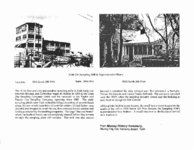
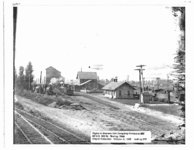
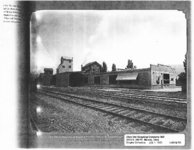
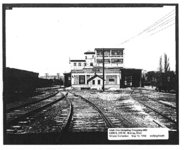
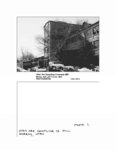
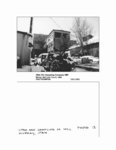
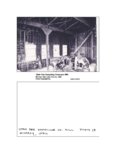
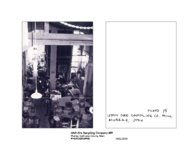
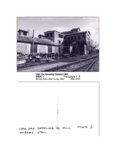
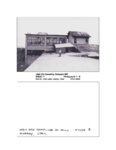
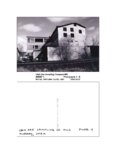
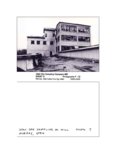
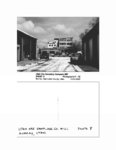
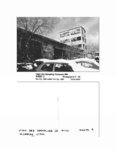
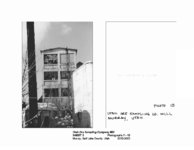
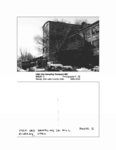
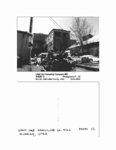
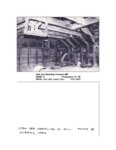
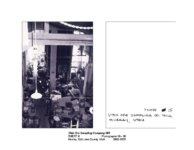
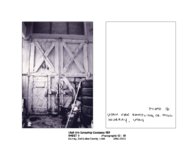
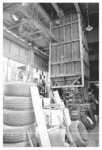
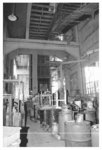
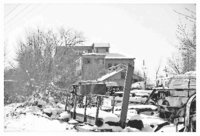
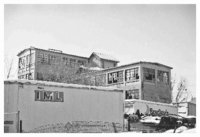
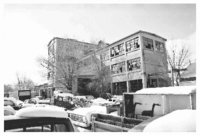
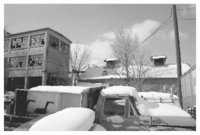
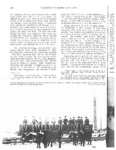
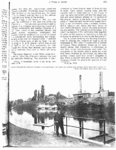
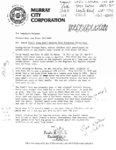
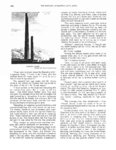
Show 12 THE HISTORY OF MURRAY CITY, UTAH was a common place for dances. John Berger tells us that the first school house was at the South Cottonwood Ward House. It was a one-room building rather crudely constructed. There was but one little stove in it, and, of course, the youngest children were permitted to gather nearest the stove. The older ones would be forced into the back part of the room and often times they were cold. The first teacher here was Jemima McNew. She taught a two-month term . The schools, of course, steadily improved and the length of term increased as new industries arrived and the community grew. Smelters From a very early date Murray City and the surrounding territories have been the center of smelting and refining. The first silver bars shipped out of Utah came from Murray. The first smelter was located on State Street where the Big Cottonwood Creek crossed the road, or at the location now occupied by the Murray Laundry. This smelter was owned by the Woodhull Brothers. The next one, according to Gottlieb Berger, was the one located on the Freeze hill. This smelter had five or six big buildings. Mr. Berger lists the Germania Smelter as the next one, then the Wasatch, which was built near 48th South at a point about where the Rocky Mountain Packing Corporation is now located. This smelter was built in 1873 or 1874. Then came the Horn Silver, which was located a little west about where the Murray power plant now stands. The Hanauer was built a little farther north, about midway between 48th and 45th South Streets. Billy Morgan has the credit for building this smelter. Later, a brick yard was located at this place. Mr. James W. Cahoon listed the smelter on the American hill as coming before the Woodhull Smelter. He tells us that the one on the American Hill came about 1869. He says that at about the same time the Woodhill Smelter was built, there was also one built about halfway between Salt Lake and Murray on the west side of State Street. He tells us the Flagstaff Smelter was built about this time at the mouth of Little Cottonwood Canyon on the south side of the Creek, and that another one was built on the north side. He tells us that the Germania Refinery was built at Murray on the south side of Little Cottonwood Creek in the year 1871, and that the Wasatch Smelter was built the same year on the north side of the creek at the pO.int where the canning factory now stands. The Mmgo Smelter, he says, was built at Sandy in 1875. The same year the Flagstaff Smelter was moved fr?m Cottonwood Canyon to Sandy. Mr. Cahoon gives the date of the erection of the Hanauer Smelter as 1872, and the Horn Silver 1879 or 1880. He tells us a small smelter was built at Warm Springs and one at Ophir about the year 1875 and that the Hyland Boy was erected in Mur- John Bt ray in 1886. Mr. Cahoon took an active part in the arrived, I negotiations relative to the erection of the Ameri- Union P can Smelting and Refining Company in Murray. through The following quotation was taken from his letter the Utah to the city recorder dated October 15, 1935: Salt Lak In 1901 when the A. S. & R. was built, Sandy tended 5 offered free land and the water used by the the Utah Mingo and Flagstaff if they would build from 09 there. Murray held a mass meeting in the Gottlieb Opera House and appointed a committee, ing of th with myself as chairman, to go to the offithat it v cers of the American Smelting and Refin1872. Mr ing then in Salt Lake, and see what could Southern be done. The sentiment was 'get the smelLake Cit ter at any cost.' us that 1 I reported that the company would pay two of 1881. I hundred dollars an acre for all the land Lines wh ber havir south of the creek , north of Fifty-third South, and between the Railroad and State fill was ~ Street. This was only for the land and if Saloons there were any houses they could use, they With would pay a reasonable price for them. trouble'll We called on every owner and got their by Chari prices. It amounted to $10,000.00 more than West and the company would pay, but every doctor, It has be lawyer, or property owner subscribed, evmade in ery business house gave its share, with the number ( exception of two. I then went back to the officers and told them there were two Shay Eng;! about 1910 pieces of property, a small piece next to Utah State I the creek, and a piece on Fifty-third South, which we had trouble in getting. The price on this property was $5,000.00 for not more than one acre of land, so they cut that out of the contract. We paid everyone whom bought land from, and returned 40% to everyone who had contributed a cent, and got the plant. With the coming of the Smelters, industry in Murray put on a more definite form, and business became far more active an.d profitable. Men were \ able to get work. Old Settlers got immediate sale for property and received a good price for it. Murray began to grow in population and importance as an industrial center. It is generally conceded that the Smelter has done more for Murray in a progressive business way than any other business. There was, of course, some difficulty encountered . between the Smelting Company and the farmers because of the smelting fumes which were detrimental to plant life, but these difficulties were overcome when more modern methods were incorporated by the smelting companies, whereby, they were able in a large extent to control the fumes. Railroads Business put on a more definite form when the railroads were built into Utah, especially when the lines were extended south through Murray. Mr. |