| OCR Text |
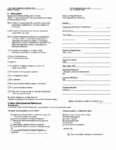
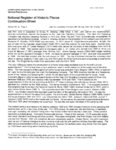
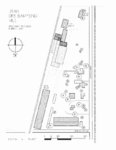
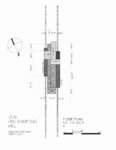
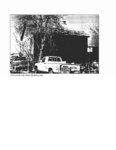
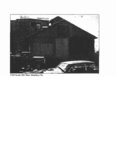
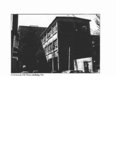
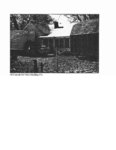
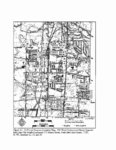
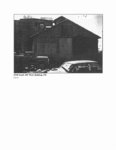
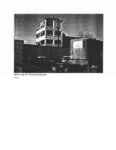
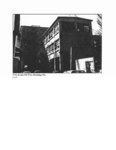
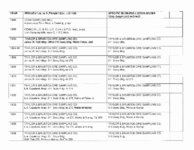
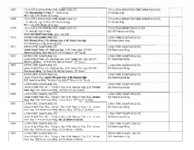
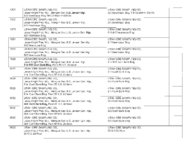
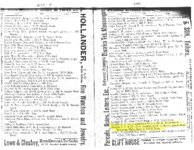
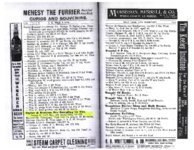
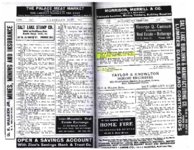
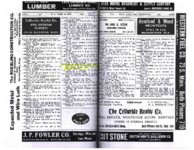
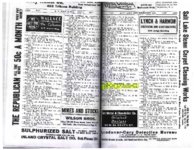
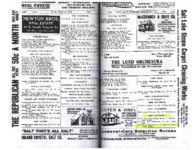
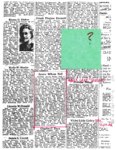
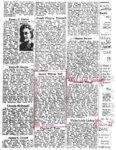
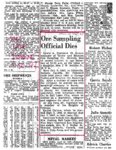
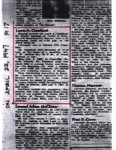
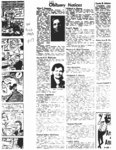
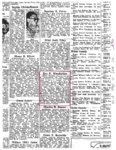
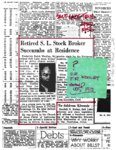
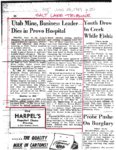
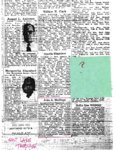
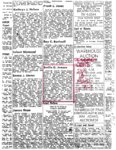
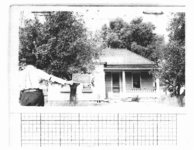
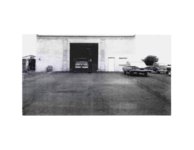
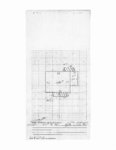
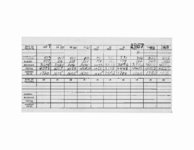
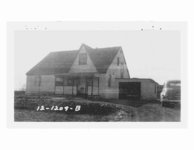
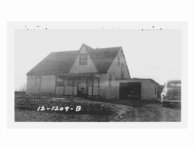
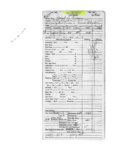
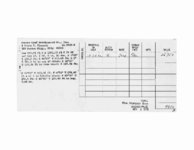
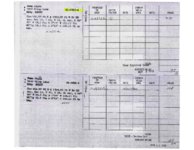
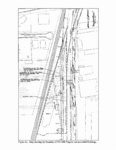
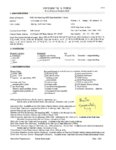
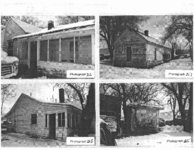
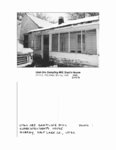
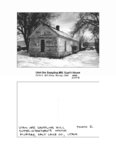
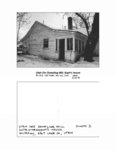
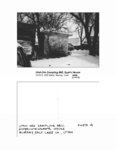
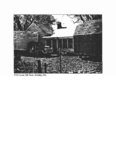
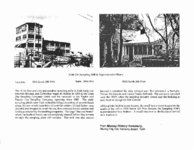
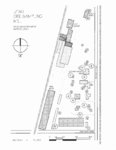
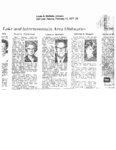
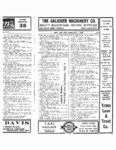
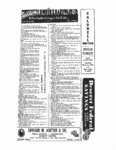
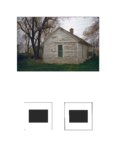
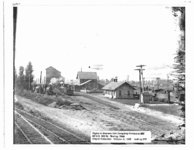
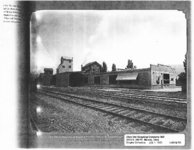
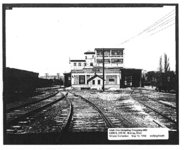
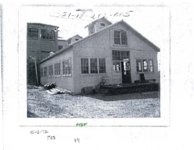
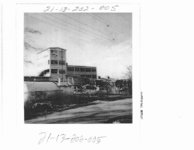
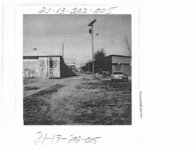
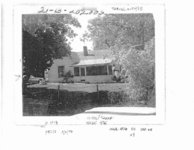
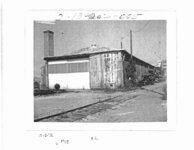
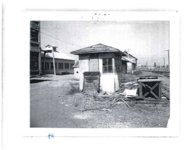
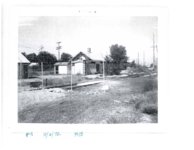
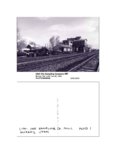
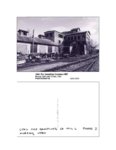
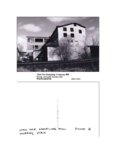
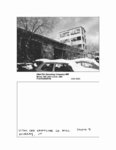
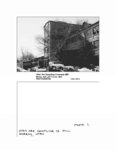
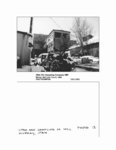
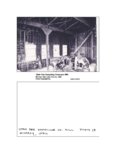
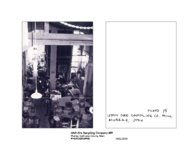
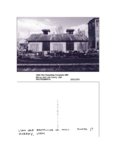
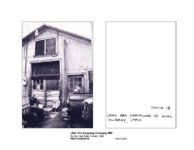
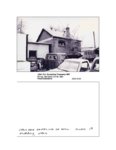
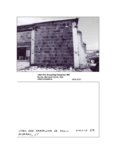
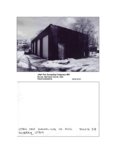
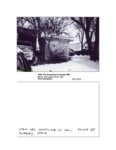
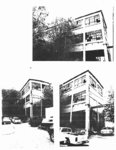
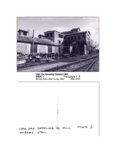
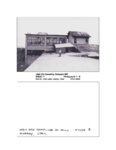
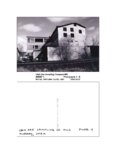
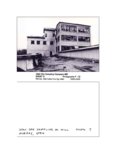
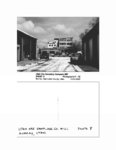
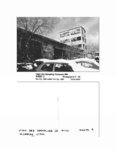
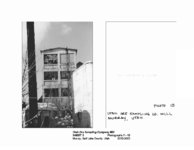
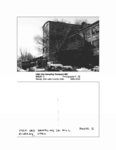
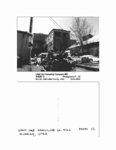
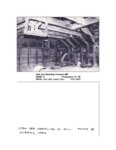
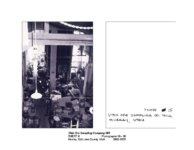
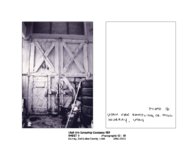
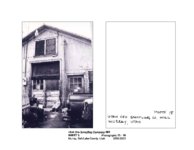
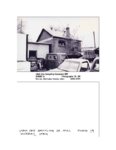
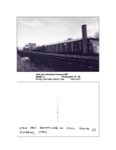
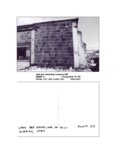
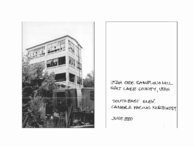
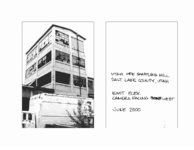
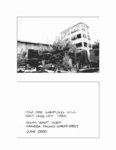
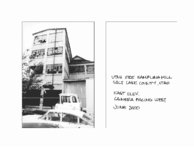
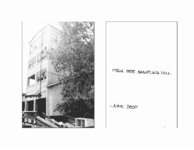
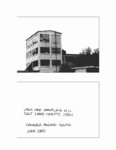
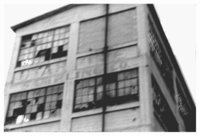
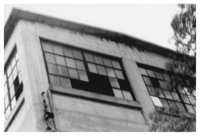
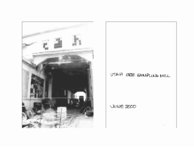
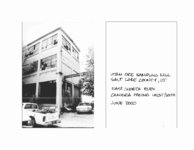
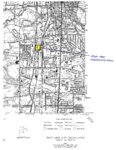
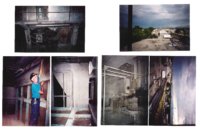
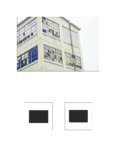
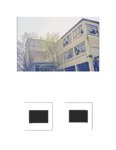
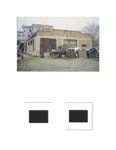
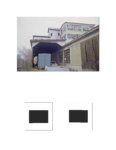
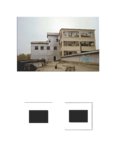
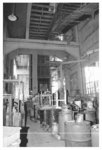
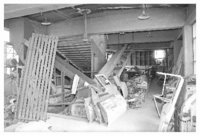
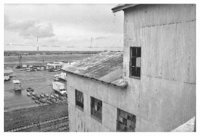
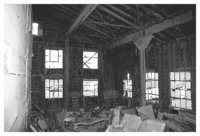
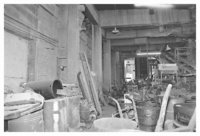
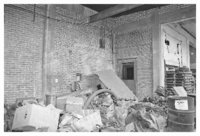
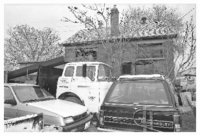
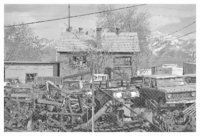
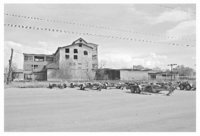
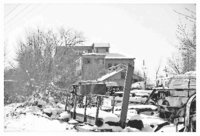
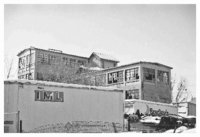
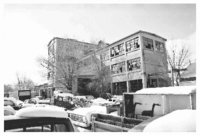
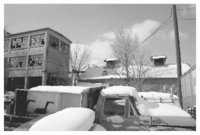
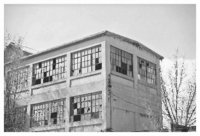
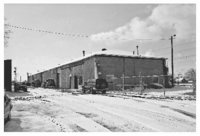
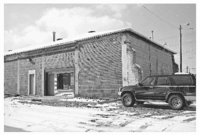
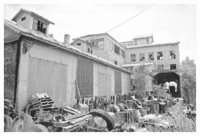
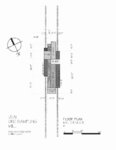
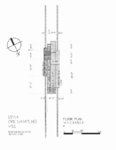
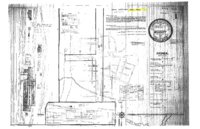
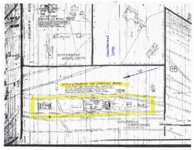
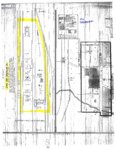
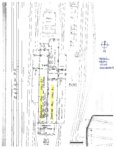
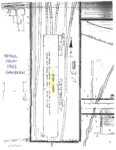
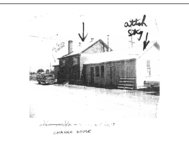
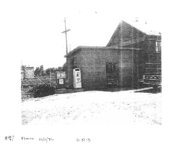
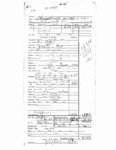
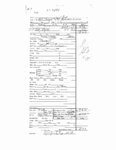
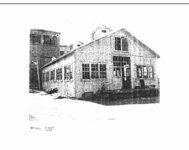
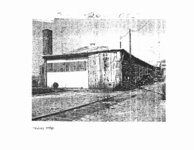
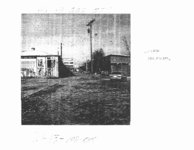
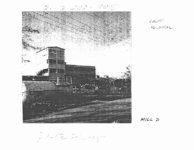
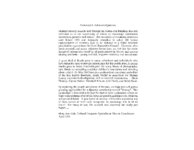
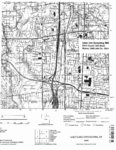
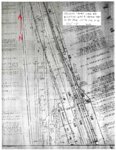
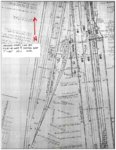
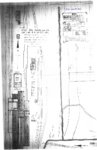
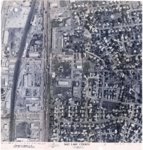
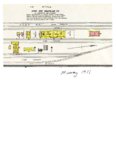
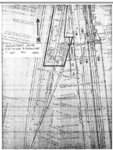
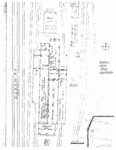
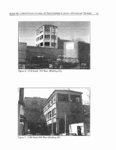
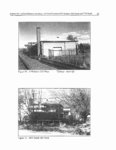
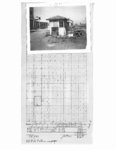
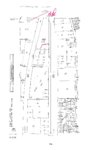
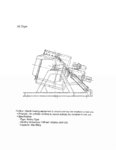
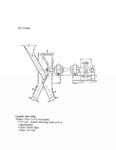
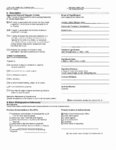
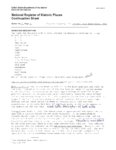
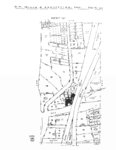
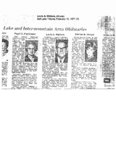
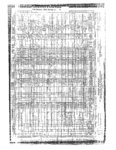
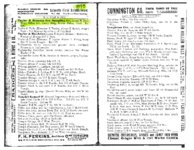
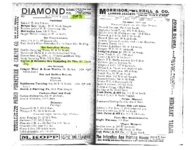
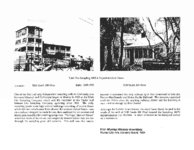
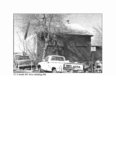
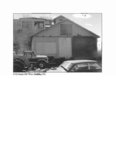
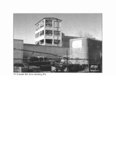
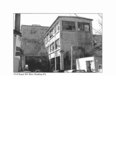
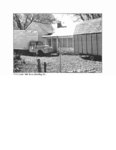
Show 5 HISTORY · Architect/Builder: Date of Construction: Unknown Historic Themes: Mark themes related to this property with (see instructions for details) _Agriculture _Economics _Architecture _Education _Archeology _Engineering _Art _Entertainment/ Recreation _Commerce _Ethnic Heritage _Communications _Exploration! Q.Community Planning Settlement & Development _Health/Medicine _Conservation "S" or "c" (S = significant, C ~Industry _Invention _Landscape Architecture _Law _Literature _Maritime History _Military _Performing Arts = circa 1909 contributing). _Politics/ Government _Religion _Science ~Social History _Transportation _Other Write a chronological history of the property, focusing primarily on the original or principal owners & significant events. Explain and justify any significant themes marked above. Use continuation sheets as necessary. The Utah Ore Sampling Mill was first built as the Taylor & Brunton Ore Sampling Mill in 1892. The mill was located between the Rio Grande Western (later Denver & Rio Grande) Railroad and the Oregon Short Line (later Union Pacific) Railroad. The sampling mill complex was the only location south of Ogden where sidings connected the two railroads on a single property. Rail cars from mines throughout Utah would stop at the sampling mill where the ore was crushed, sifted and analyzed for content. Most of the ore went directly to the Germania lead and copper smelting works one-half mile to the northwest. The 1898 Sanborn map shows the mill site with a three-story frame mill building, a brick office building and two small outbuildings. The map also notes that two men slept in the office and served as night watchmen for the company. The Germania plant became the American Smelting & RefIning Company (ASARCO) complex in 1902. The sampling work began to expand at the same time. Sometime before 1906, a second mill building was added to the southeast. In 1909, the company was sold to new owners and renamed the Utah Ore Sampling Company. According to the tax cards, the superintendent's house was built in 1909. The 1911 Sanborn map states that there is one night watchman on site, perhaps referring to the superintendent living with his family. The first occupant of the superintendent's house was probably Frank Burgner, a foreman for Taylor & Brunton and later the Utah Ore Sampling Company. In 1908 he is listed in the Salt Lake City directory as living on Anderson Avenue in Murray. The 1909 directory lists him at a "residence south of the Pallace [sic] Sampling Mill," which fits the description of the superintendent's house. Pallas was the station name for the railroad stop near the mill site. Ossie Frank Burgner was born in Tennessee on September 13, 1881. He married Belva Cahoon on April 19, 1905. Belva was born in Murray on February 1, 1886. Frank Burgner's obituary notes he was superintendent of the Utah Ore Sampling Company's plant at Silver City between 1908 and 1916, and resided in Murray between 1916 and 1924. He does not appear in the Salt Lake area directories between 1910 and 1917. The family apparently moved back to the superintendent's house around 1916. Frank is listed as the superintendent of the ore mill and living at 5516 S. 2nd West in Murray on the 1920 census. By that time he and Belva had four children, Ila, Donald, Dollie Viola and June, living with them. Frank Burgner is also remembered as a co-owner of the 1919 Iris Theater on State Street, the second moving pictures theater in Murray. The Burgners moved to California in 1928. They were later divorced. Frank Burgner died in California on August 10, 1950. Belva C. Burgner died in Salt Lake City on June 6, 1971. The occupant ofthe house between 1910 and 1916 is unknown. A likely candidate is Daniel Monk who appears as the mill's foreman on the 1910 census. The census gives no addresses or street names, but Monk's family is living in a rental in the vicinity of the Murray mill. There are several other mill employees listed as laborers in the area. Daniel Martin Monk was born in Murray on December 20, 1883. He married Fannie (or Annie) E. Whale on October 10, 1905. There is little information available on Daniel and Fannie Monk. According to the census, Fannie was born in Utah in 1887. The couple had two children by the time of the 1910 census. The city directories indicate Daniel Monk worked for the ASARCO smelter before and after his short time as foreman of the ore mill. He died on March 22, 1940. |