| OCR Text |
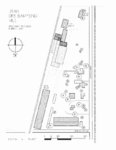
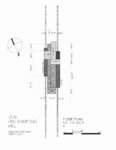
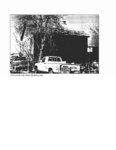
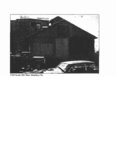
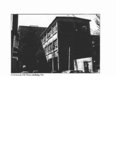
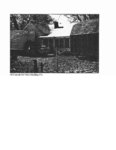
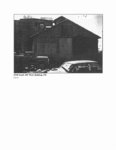
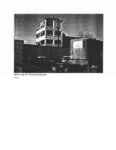
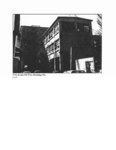
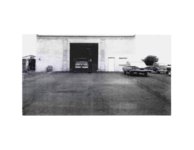
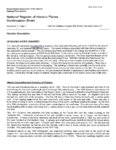
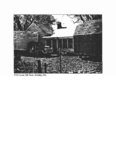
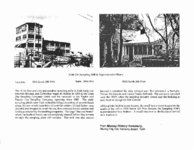
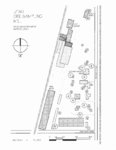
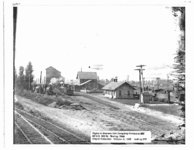
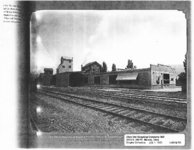
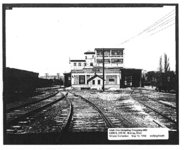
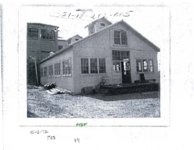
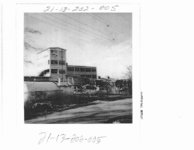
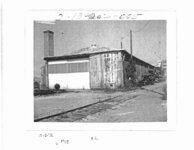
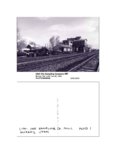
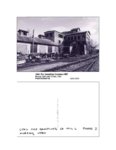
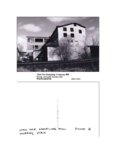
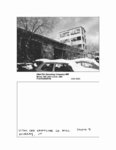
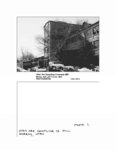
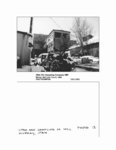
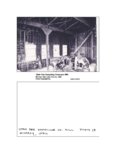
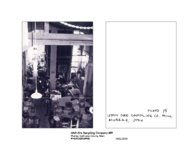
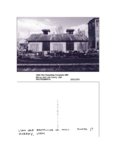
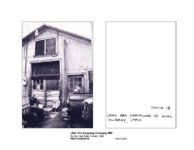
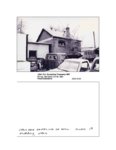
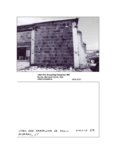
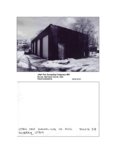
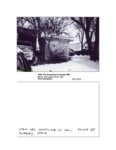
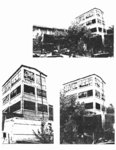
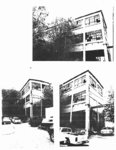
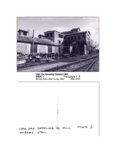
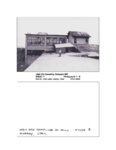
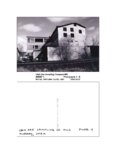
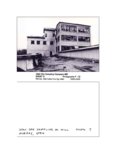
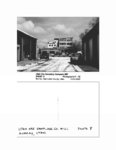
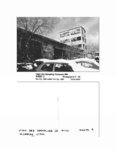
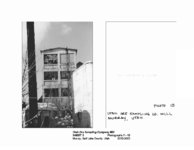
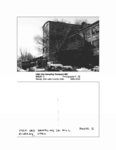
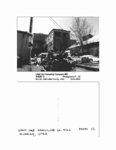
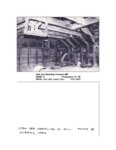
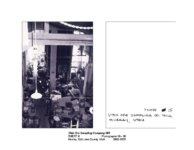
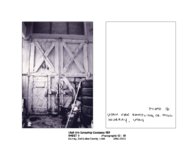
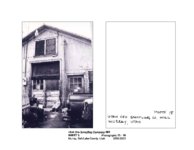
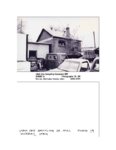
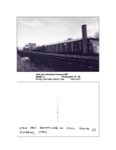
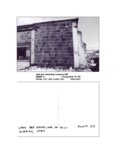
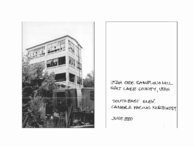
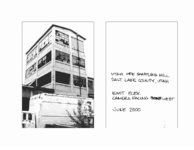
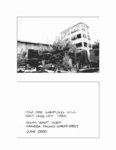
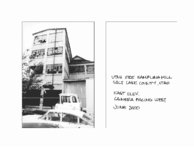
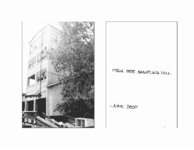
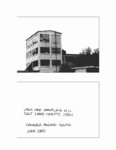
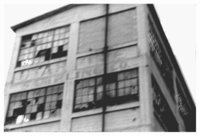
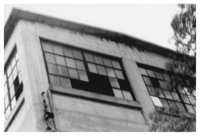
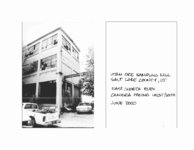
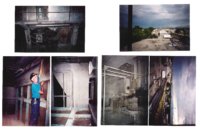
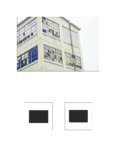
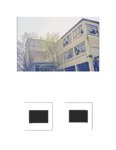
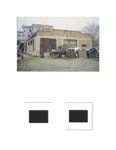
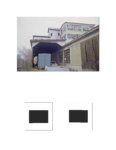
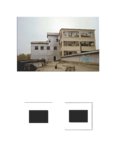
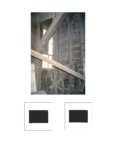
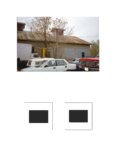
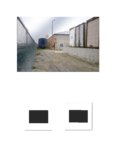
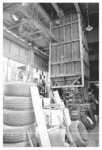
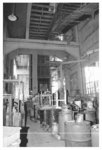
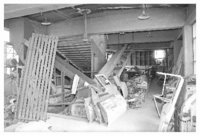
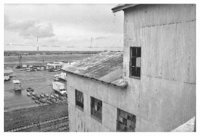
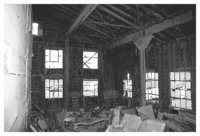
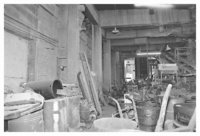
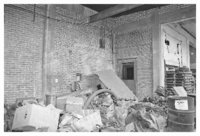
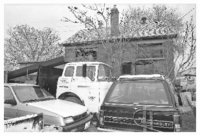
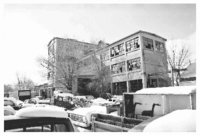
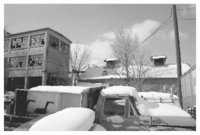
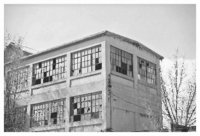
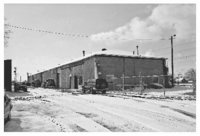
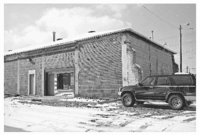
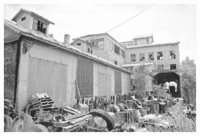
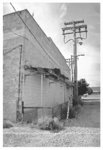
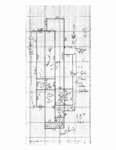
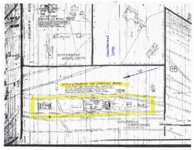
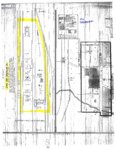
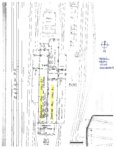
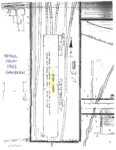
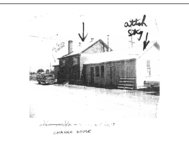
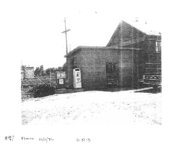
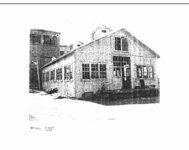
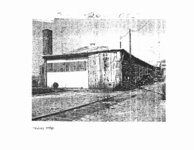
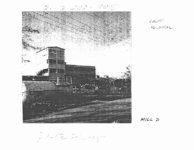
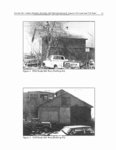
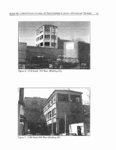
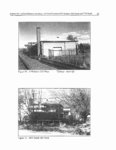
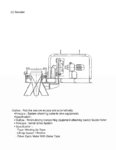
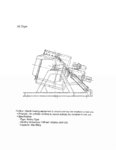
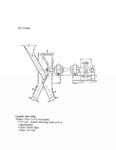
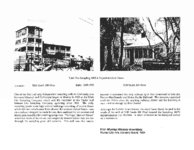
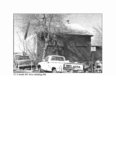
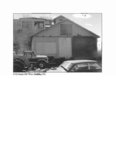
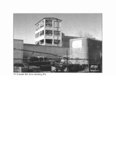
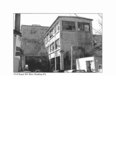
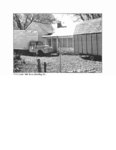
Show OMB No. 1024-0018, NPS Fonn United States Department of the Interior National Park Service National Register of Historic Places Continuation Sheet Section No. I Page ~ Utah Ore Sampling Company Mill, Murray, Salt Lake County, UT winch and pulley, ore bins, ladders, and the belt-driven "man-lift," an unenclosed platform used to lift a single occupant from the main floor to the top of the head house. The metal-clad portion of Mill C was connected to the brick and concrete building by the sheds on the west side through which rail cars were pulled on the adjacent spur. The low building runs to the north and south of the head house parallel to the spur, with only a small section to the north. The building is constructed on a concrete foundation and supporting frame, which is expressed on the exterior in a concrete watertable and piers of concrete at eight-foot bays. The bays were originally filled with brick and multi-light steel sash warehouse windows in an alternating pattern. Today two of the window bays have been partial filled with concrete block. (This occurred probably in the 1980s or 1990s, no doubt due to the vandalism that damaged many of the windows.) The roof is flat and built-up. There are stepped parapets of brick with a concrete coping at the north and south ends. A third parapet is located two bays from the south end and distinguishes the sampling rooms from the rest of the building. Only the sampling rooms are visible on the west elevation. The rest was subsumed by the 1928 Mill 0 expansion. Approximately half of the east elevation is obscured by the metal shed-structure and the rail car sheds. On the interior, this section of Mill C is open storage, except for the sampling rooms, the only relatively finished space in the mill complex. Mill 0 was constructed in 1928 west of Mill C. The mill includes a four-story T-shaped concrete structure built adjacent to Mill C's metal building, and a large pass-through shed structure for rail cars. The four-story concrete mill building is a block mass constructed on a concrete foundation. The concrete roof is pitched so low it is nearly flat. The building is supported on the rectangular bays of a concrete frame. Most of the exterior wall surface area is devoted to banks of large multi-light warehouse windows in steel sashes. Large sections of the windows louver for ventilation . Again many have been broken and a few have been covered in corrugated metal. The west elevation features two square bays and is obscured by Mill C. The east elevation also has two square bays at each of its four stories. The south and north elevations feature more rectangular bays. A three-story wing (divided by three uneven bays) extends to the north. The unequal bay system was probably used to accommodate the various functions and equipment on the interior. The interior space is mostly open from floor to ceiling . A number of items are extant from the sampling period. Many others were installed and later left by the All Minerals Corporation in the 1970s and 1980s. The historic equipment includes conveyor belts, ore bins-hoppers, winches and pulleys, catwalks and ladders. There are also several historic doors intact within Mill D. The words UTAH ORE SAMPLING CO. are still faintly visible on the north and east elevations. Mill 0 also includes a large corrugated-metal clad shed structure located to the south on the east elevation rail spur. This structure is tall enough to accommodate boxcars and partially "piggy-backs" Mill C's lower brick and concrete building. There are platforms and basement bins located within this structure. Shop: According to the tax cards, the shop building was constructed in 1924. It is located to the north of Mill C & 0 , and is connected to the mill by a concrete pad. The building measures 36 feet x 61 feet. The shop is a frame building sheathed in corrugated iron. It sits on a concrete pad that serves as foundation and floor. The simple gable roof is also covered in corrugated metal. There are two small monitors located on the ridgeline. There is a small brick chimney (originally for the heating stove) on the west elevation. The west and east elevations were Originally devoted to five bays of tripartite three-over-three wood sash windows. Similar windows flanked the half-light doors on the north and south elevations. Most of the windows have |