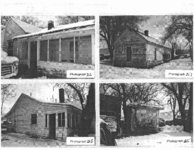
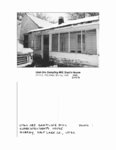
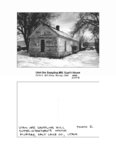
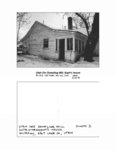
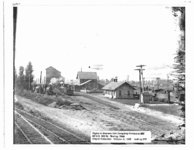
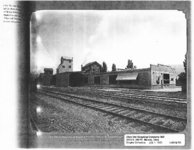
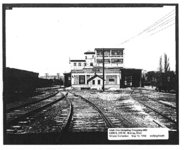
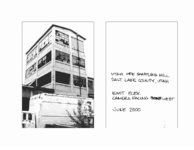
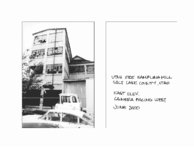
| OCR Text |
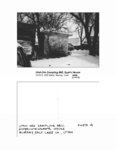
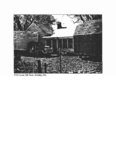
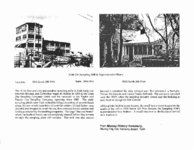
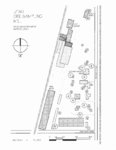
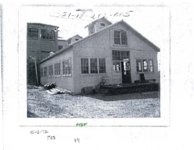
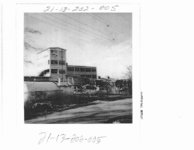
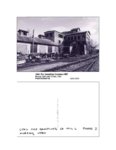
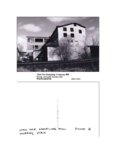
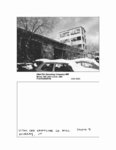
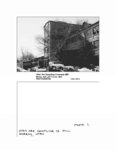
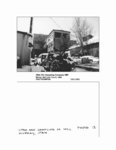
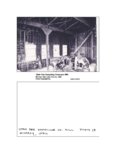
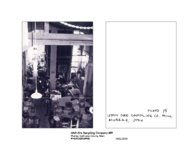
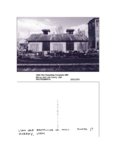
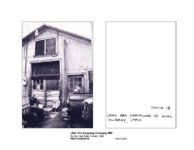
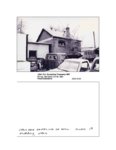
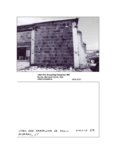
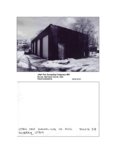
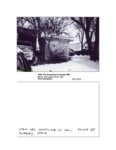
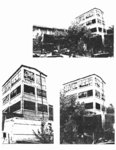
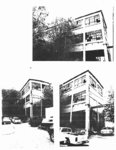
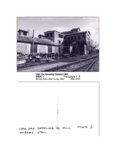
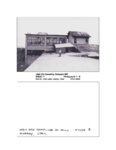
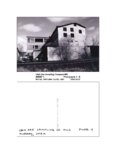
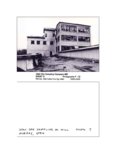
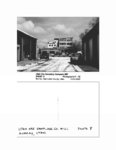
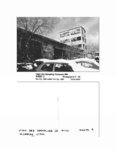
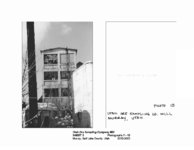
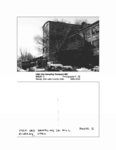
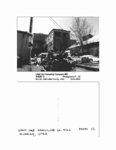
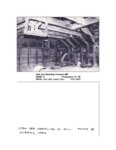
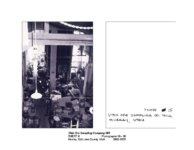
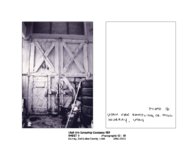
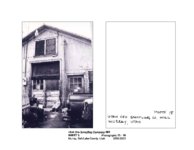
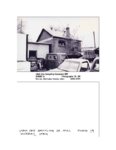
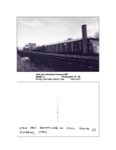
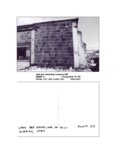
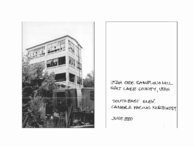
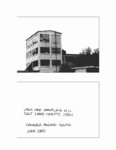
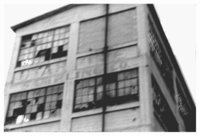
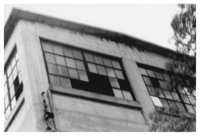
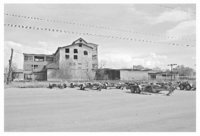
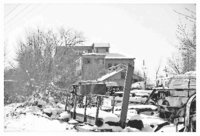
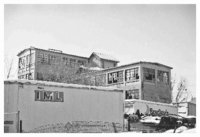
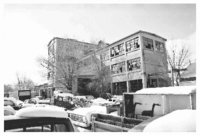
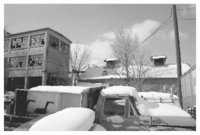
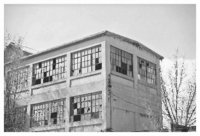
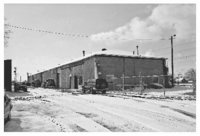
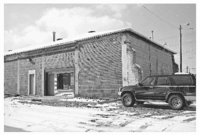
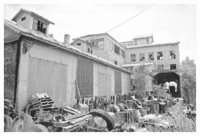
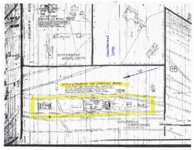
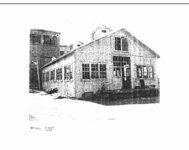
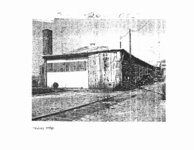
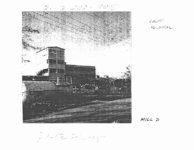
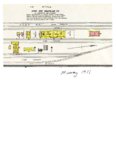
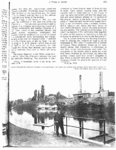
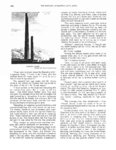
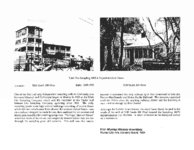
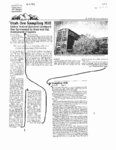
Show Chapter 2 The victory forced closure of the Bingham Consolidated smelter in 1907 and the Highland Boy smelter in January of 1908. The 1500 ton/day United States lead smelter, constructed at Midvale in 1905 in response to the initial suit, was able to continue because of a lower concentration of sulphur in the lead ores it was processing. However, the 1000 ton/day United States copper smelter was closed in 1907. The only other smelter to continue operation was ASARCO's Murray lead smelter. ASARCO maintained operations by paying a $60,000 settlement to the farmers for a modification of the court's decree. This modification allowed ASARCO to continue operations while trying to perfect a method to rid the smoke of its high sulphur content. The farmers received the brunt of an angry backlash from the case. The Salt Lake Tribune, particularly, accused the farmers of destroying the only economic stability the central valley possessed. 27 Several smelters relocated in the hills west of Salt Lake Valley, but tensions surrounding the case and continuing smoke problems remained for years. Dr. M. D. Thomas was hired by ASARCO in 1907 and he conducted thousands of tests over the next decade on ASARCO's experimental farms in Murray. Thomas attempted to determine how to remove sulphur from smelter smoke prior to emission from the smelter's stack. From 1925 to 1927, Dr. George R. Hill followed up Thomas' s early studies. 28 Thomas and Hill both discovered that the best (Le., cheapest) way to solve the smoke problem was to allow it to disseminate. The greater the distance between the stacks and the point the smoke reached the ground, the lower the concentration it maintained . The higher the smoke was elevated from the stacks the longer the distance it would travel before falling to the ground. Tests concluded that winds greater than three miles per hour also tended to disseminate the smoke before it fell to earth. Higher velocity winds were generally consistent at higher elevations above ground level. The end result of these findings was a recommendation to heat the escaping gas to higher temperatures and then allow it to exit via stacks of greater height. The majority of stacks prior to these findings were 100 to 200 feet tall. Dr. Thomas' s research was responsible for construction of large ASARCO stacks throughout the West. The first high stack constructed was the 465 foot stack at Murray in 1918. The United States Smelting and Refining Company constructed its own 460 foot stack at Midvale in 1923. Other ASARCO stacks included the 605 foot stack 24 The New Industrial City (1897-1919) at Shelby, Montana; the 573 foot stack at Tacoma, Washington; and the 451 foot stack at Federal, Idaho.29 -Murray' s custom ore sampling mills were vital to the success of the smelters. The Taylor and Brunton Ore Sampling Ml 11 was built during the 1890s and was taken over by the Utah Ore Sampling (UOS) Mill in 1909. The UOS was one of Jesse Knight's many profitable ventures during the early part of the twentieth century. 30 Knight began his rise to prominence in the Tintic Mining District when he obtained the Humbug Mine in the mid-1890s. The Humbug was a large silver producer that allowed Knight to develop . other mines in the East Tintic area. As Tintic grew, Knight began to expand and diversify his properties. He soon owned or controlled various mining and agricultural ventures in Utah and Nevada. Knight constructed three different sampling mills, one each in Park City, Silver City, and Murray, Utah. As the Tintic mines diminished in output and the smelter trust consolidated the smelters, Knight closed all but the Murray mill. Knight Enterprises continued to operate the UOS Mill until 1934. Unlike most sampling mills, the UOS Mill was not associated with an operating smelter. This made UOS unique in both the United States and the world during most of its period of operation. Independent mines and mills knew they could trust UOS to assay their ores without prejudice. The sampled ores could then be sent to the smelter with owners knowing the yield of various metals from the assayed ores. If the yield differed from the sample, the mine/mill would have reason to question the smelter. Most of the ores sampled at UOS were sent to the ASARCO smelter for processing. The close proximity of the two plants allowed the railroads to treat them as a single destination for billing purposes. The reduction of ore production during the 1930s and temporary closure of the ASARCO smelter in 1931 marked the beginning of hard times for UOS. As many of the mines reopened, they did so as consolidated ventures that included their own sampling and smelting operations. As local farmers fought with the big trusts in an effort to preserve their agricultural lifestyle, a less publicized struggle was occurring between the trusts and their workers .31 The Valley Smelters Union-WFM Local #99-was organized January 14, 1900. Local #99 continued to be active until October 1, 1902, shortly after the two big trust smelters-ASARCO's Murray plant and United States Smelting, Mining and Refining Company's (USSM&R) Midvale 25 |