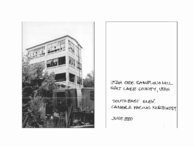
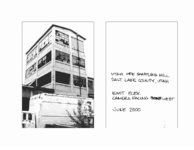
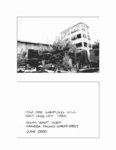
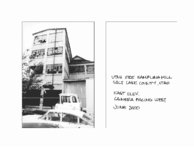
| OCR Text |
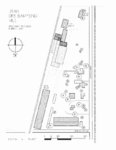
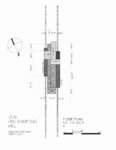
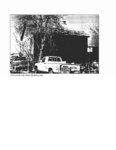
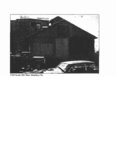
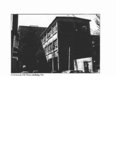
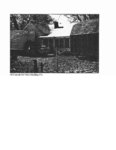
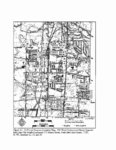
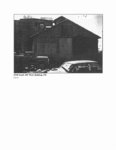
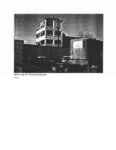
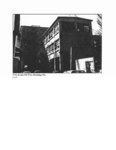
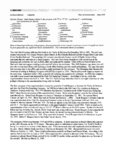
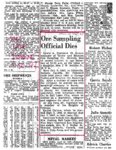
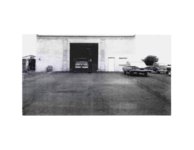
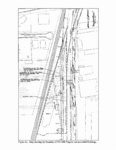
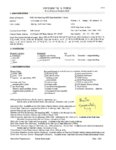
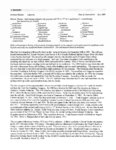
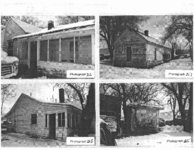
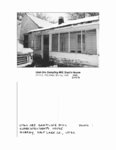
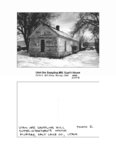
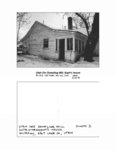
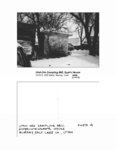
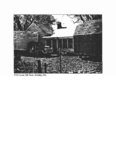
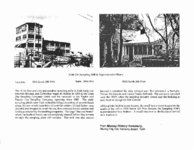
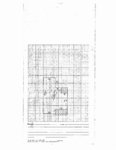
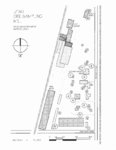
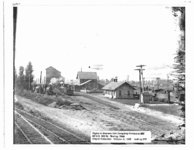
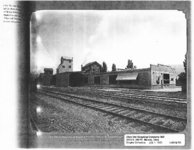
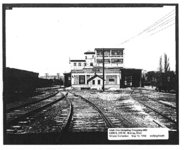
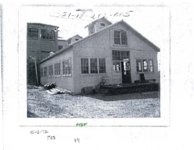
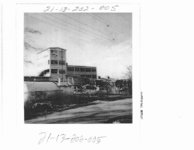
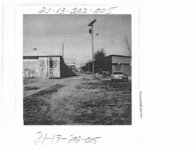
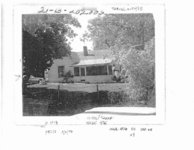
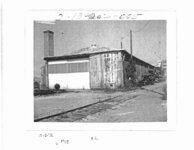
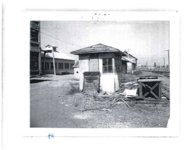
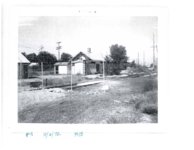
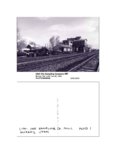
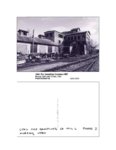
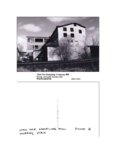
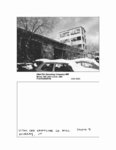
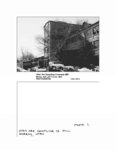
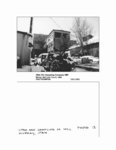
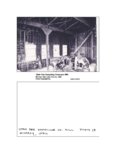
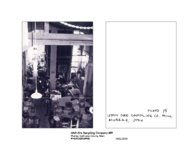
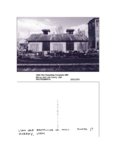
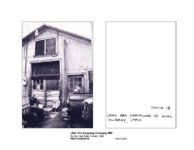
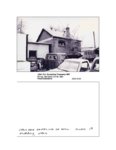
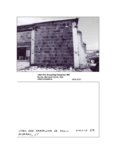
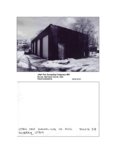
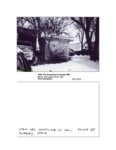
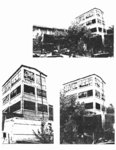
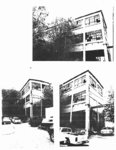
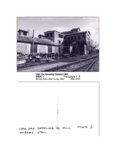
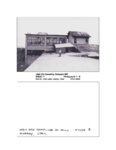
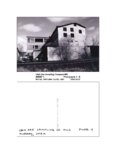
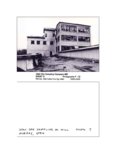
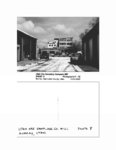
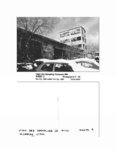
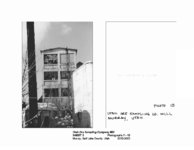
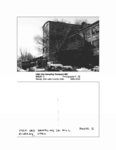
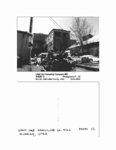
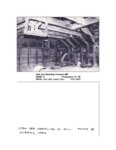
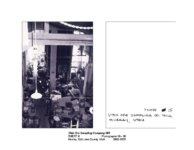
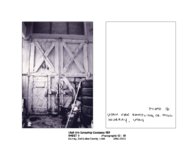
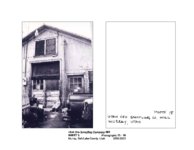
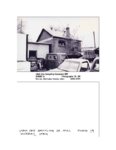
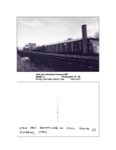
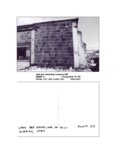
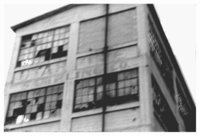
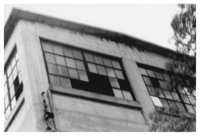
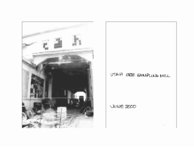
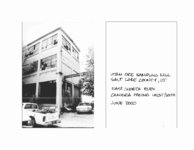
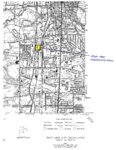
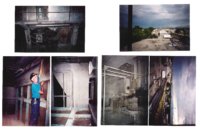
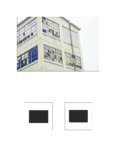
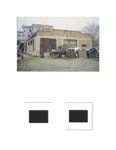
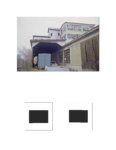
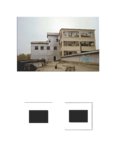
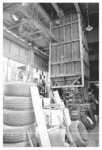
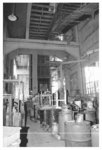
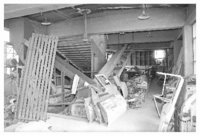
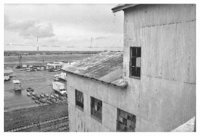
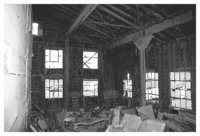
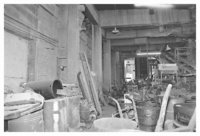
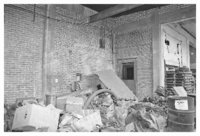
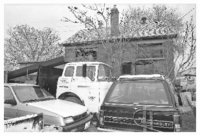
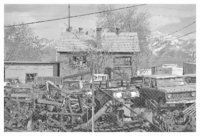
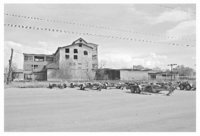
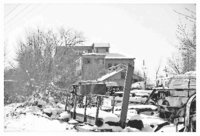
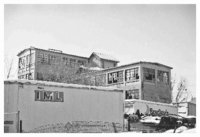
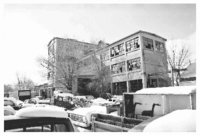
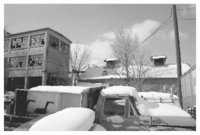
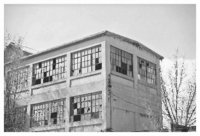
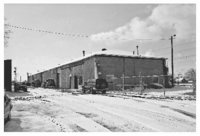
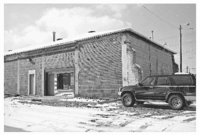
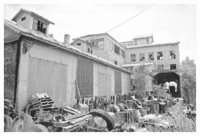
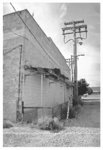
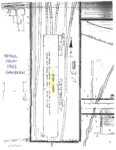
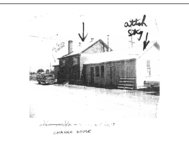
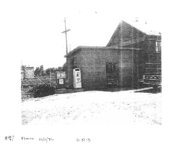
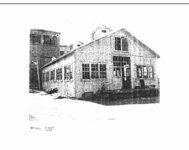
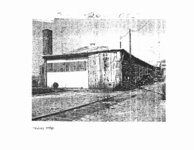
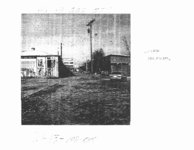
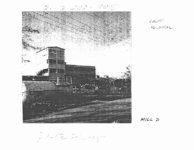
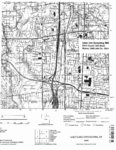
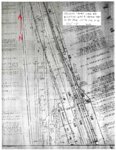
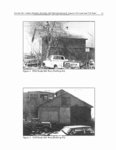
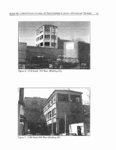
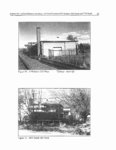
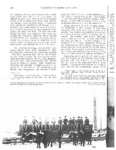
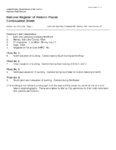
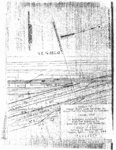
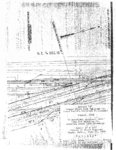
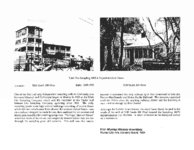
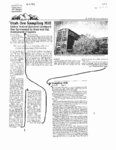
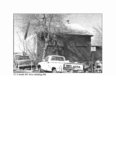
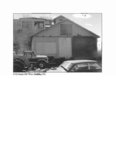
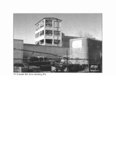
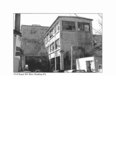
Show OMB No. 1024-0018, NPS Fonn United States Department of the Interior National Park Service National Register of Historic Places Continuation Sheet Section No. §. Page 1 Utah Ore Sampling Company Mill, Murray, Salt Lake County, UT Narrative Statement of Significance The Utah Ore Sampling Company Mill, a complex of buildings constructed between 1909 and 1937, is significant under Criterion A for its association with the development of the smelting and sampling industry in Murray, Utah. The mill is also eligible under Criterion C. The various components of the mill are architecturally significant as a record of the architecture and engineering required to build a serviceable mill for the one of the largest sampling facilities in the United States in the first half of the twentieth century. The Utah Ore Sampling Company Mill qualifies for the National Register of Historic Places under the Multiple Property Listing Historic Resources of Murray City, 1850-1950. The associated historic context is Industrial and Commercial Bui/dings of Murray, 1869-1950. In the late 1870s Murray City emerged as a popular location for early smelters and refineries supporting Utah's burgeoning mining concerns. With its location on the railroad and between two creeks, the city was ideal for large-scale smelting works and much of the city's history was closed tied to the industry. The Utah Ore Sampling Company was established as an independent company to facilitate the fair exchange of ore between producers (miners) and buyers (smelters). The sampling plant operated between 1892 and 1958. It contributed to the economy of Murray City and employed a large number of its residents. Today the sampling mill complex is the only surviving architectural resource from Murray's historic smelting industry, a significant portion of the city's industrial development. Moreover, the economic role played by assayers and samplers was very significant to the mining process and success, which makes the mill significant to Utah's rich mining history from 1890s to the 1940s. The mill complex is composed of several contributing buildings, built between 1909 and 1937, each with its own purpose. The buildings are of a purely utilitarian design and include a variety of materials including iron, steel, concrete, brick, wood and hollow tile. The placement and massing of each building is directly related to its function and its relationship to both the interior equipment and the exterior rail spurs. Sections of the rail spurs and much of the equipment formerly used by the sampling company sus ·ntact. Though the property has been vandalized and appears to be derelict, the building.s.ere structu al~ . nd. The Utah Ore Sampling Company Mill complex retains its historic integrity and contribt eS t~ th~ re s of Murray City. rJo...\"'~""IM~t-"'-~u ~ .. , History of Murray: Murray City lies eight miles south of Salt Lake City between Big and Little Cottonwood Creeks. The area, originally known as South Cottonwood, was settled in 1849 by members of the Church of Jesus Christ of Latter-day Saints (LOS or Mormon Church) as part of the initial expansion south of Salt Lake City. Early residents of the area divided the grasslands where they raised cattle and cereal grains for a subsistence economy. Prior to the 1870s, the community consisted of numerous scattered farmsteads, a couple of general stores, a saloon, and the local brickyard. The discovery of various minerals in the 1860s in the canyons near the Salt Lake Valley changed industry and commerce in the area dramatically. For Murray, the greatest period of transformation occurred in the decade between the arrival of the Utah Southern Railway |