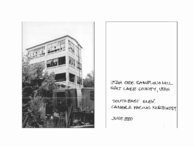
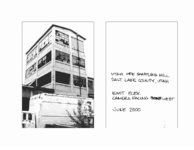
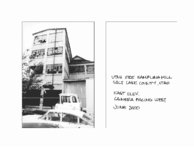
| OCR Text |
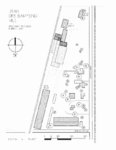
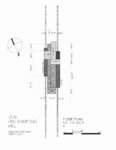
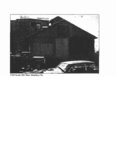
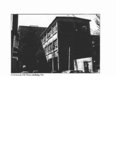
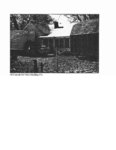
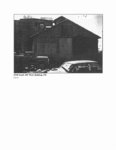
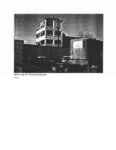
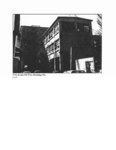
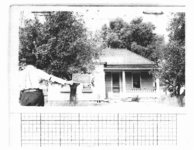
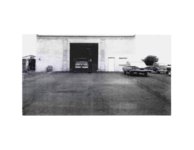
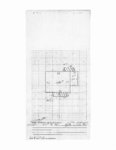
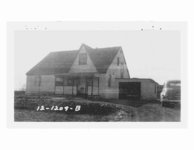
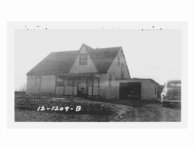
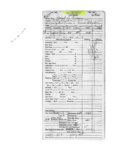
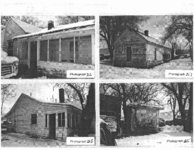
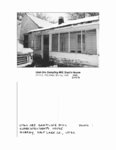
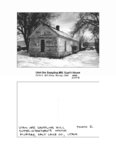
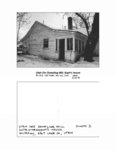
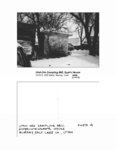
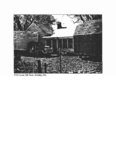
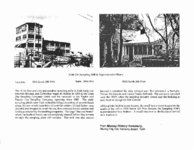
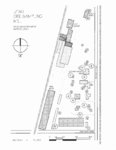
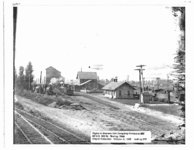
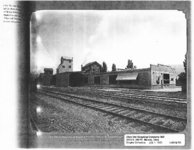
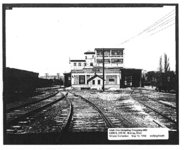
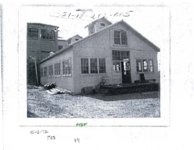
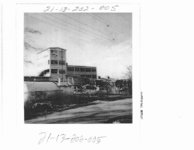
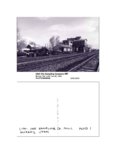
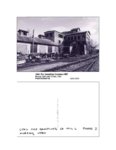
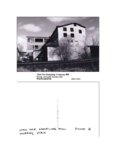
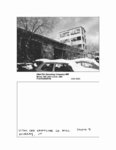
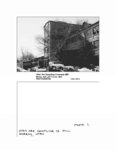
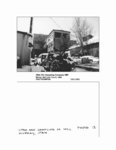
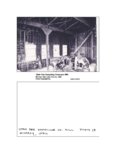
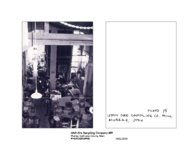
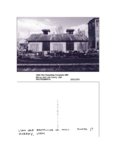
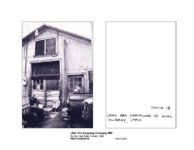
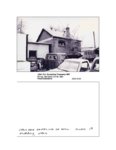
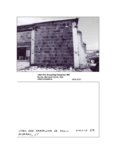
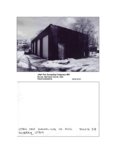
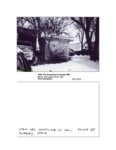
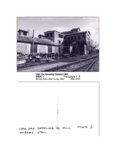
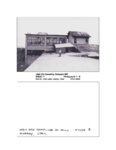
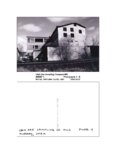
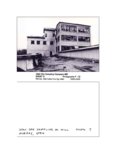
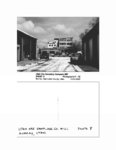
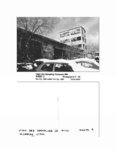
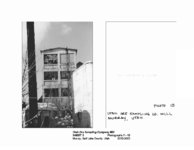
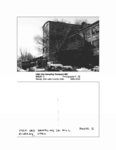
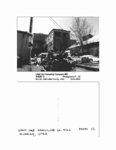
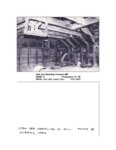
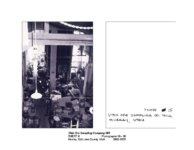
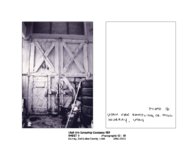
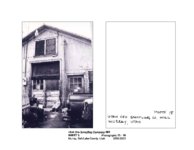
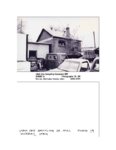
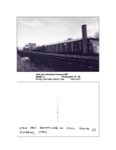
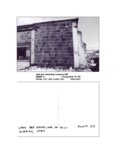
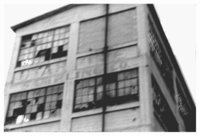
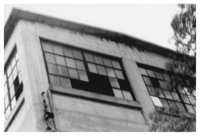
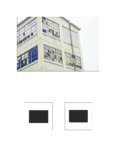
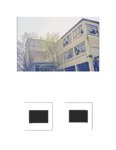
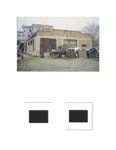
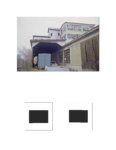
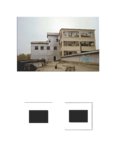
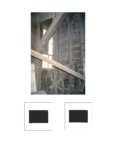
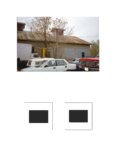
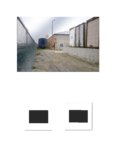
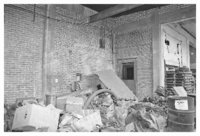
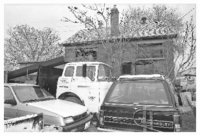
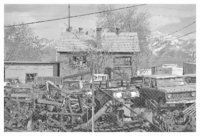
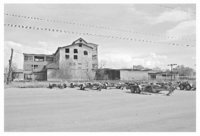
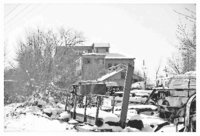
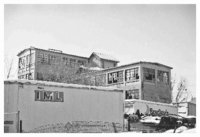
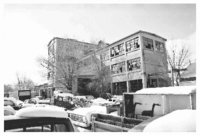
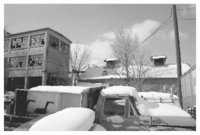
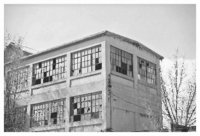
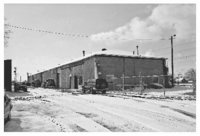
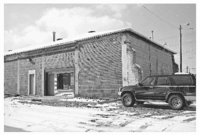
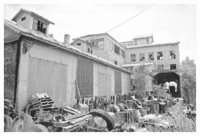
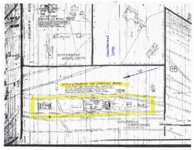
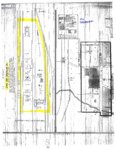
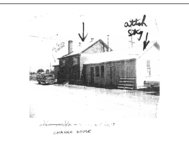
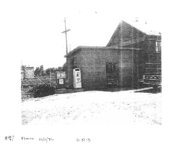
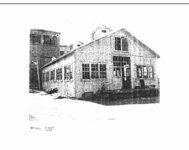
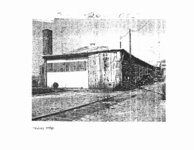
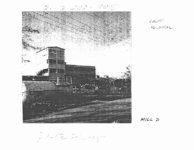
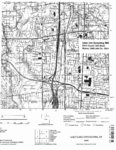
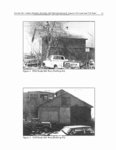
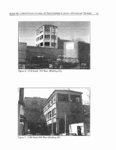
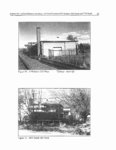
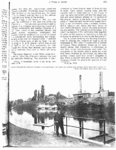
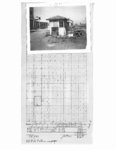
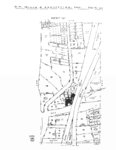
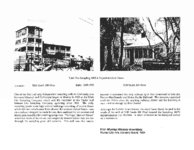
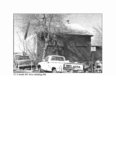
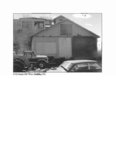
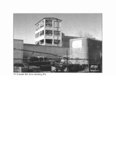
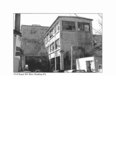
Show OMB No. 1024-0018, NPS Form United States Department of the Interior National Park Service National Register of Historic Places Continuation Sheet Section No. I Page ~ Utah Ore Sampling Company Mill, Murray, Salt Lake County, UT been covered with either corrugated metal or plywood, mostly due to the vandalism . Two metal-sash multilight warehouse windows were installed on the west elevation (date unknown). A few of the remaining windows have been broken. The south entrance has been completely boarded-up. The north door is extant and operable, however the ten-light transom has been covered. The interior is open with approximately 2,196 square feet of space. The 1958 tax card noted a 300-pound warehouse scale in the building. The building is currently used for storage. Despite the boarded up windows, the building retains much of its historic integrity and is a contributing building on the property. Change House and Oil Storage-Coal Shed: The change house and oil-coal shed are located on the northeast side of the property. They are attached, however there is no access between them. A frame and vertical plank office-storage building was to the south of the change house, but was demolished, probably in the 1970s. The oil storage-coal shed is the older building. It was constructed of concrete block in 1924. The building measures 13 feet by 19 feet. Both the flat roof and foundation are constructed of concrete. The door is on the west elevation and features a six-light window in the upper half with three horizontal panels below. On the north elevation is a nine-light wood sash window. The building is currently used for storage and is a contributing outbuilding. South of the oil-coal shed is the change house, constructed in 1937. The change house is built on a raised basement and concrete foundation . Its walls are a dark pink concrete block, which reach to the apex of the simple gable roof. There is a stringcourse of concrete just under the eaves and above the windows. The roof is covered in asphalt shingles and features a central brick chimney. The entrance is on the west elevation. The door is flanked by eight-light, metal-sash windows. The window to the south is boarded, while several of the lights to the north have been broken. The other elevations are blank. The interior is approximately 658 square feet. The inside plan contains four showers and three lavatories above a full basement. The change house is currently used for storage. It is a contributing outbuilding. Thaw House: The thaw house, also known as the thaw shed, is located south of the mill complex on a separate legal parcel at 312 W. 5560 South. It was built in 1927. The building is a long rectangular structure measuring 43 feet by 287 feet. The structure is built on a reinforced concrete frame with curtain walls of hollow tile block infill. Hollow tile is a cube-shaped clay-based building block and is only rarely used as an exterior material. The thaw house tile is red in color and striated. The concrete piers are expressed on the exterior in sixteen bays of approximately 18 feet each on the east and west elevations. The two small shed structures on the east elevation were used for coal storage. The foundation is concrete and the semi-circular roof is supported on steel bowstring trusses. The asphalt shingle roof appears to be from the 1970s or 1980s. The roof features seven metal stove-top-shaped ventilation chimneys (probably original). The north and south elevations were originally open with sliding doors to allow rail cars to enter and leave the building on three spurs. Historic photographs show the thaw house with large sliding doors with vertical panels. The doors were removed circa 1980s when the north and south openings were blocked with cinder block. There is a small window on the north elevation. Two entrances are on the south elevation: a regular hollow-core door and a large metal folding loading door (circa 1980s). There are two newer loading doors on the east elevation as well. There is a tall , brick chimney at the southwest comer of the building. The only decorative elements are projecting piers of corbelled brick at the comers of the north and south elevations. The rail |