| OCR Text |
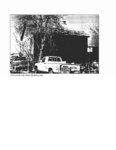
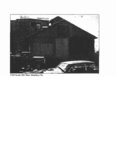
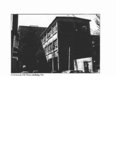
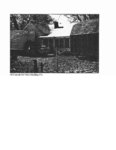
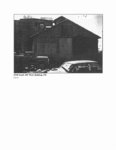
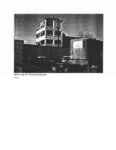
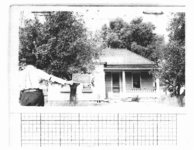
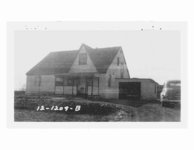
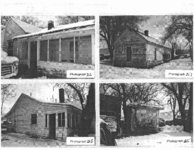
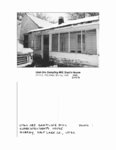
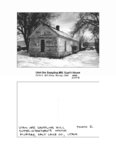
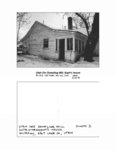
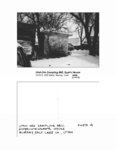
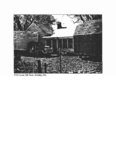
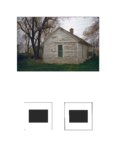
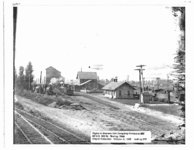
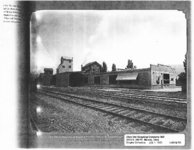
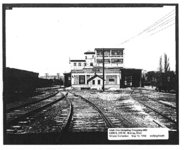
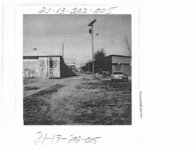
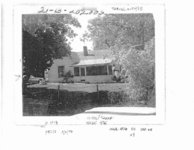
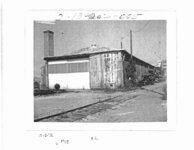
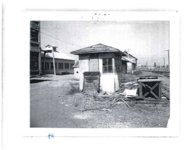
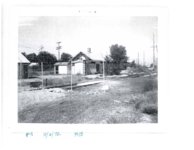
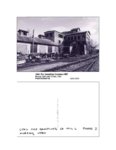
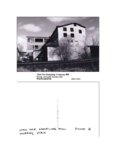
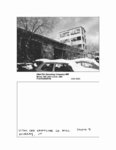
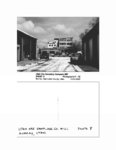
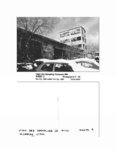
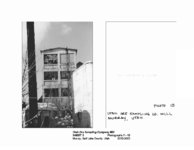
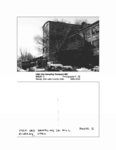
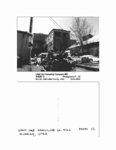
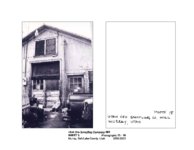
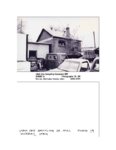
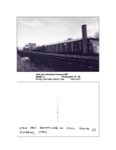
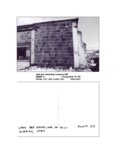
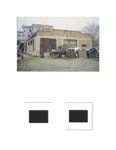
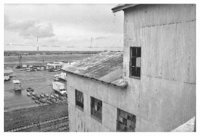
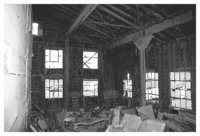
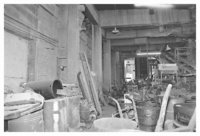
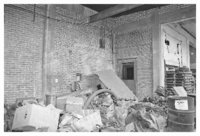
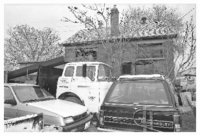
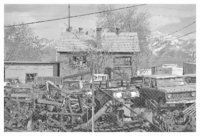
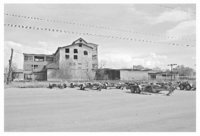
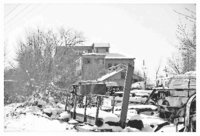
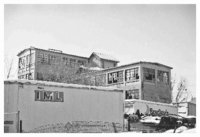
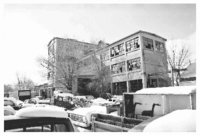
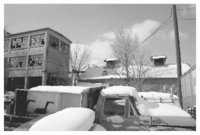
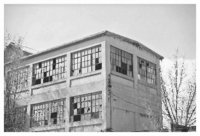
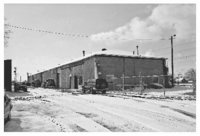
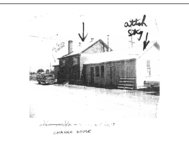
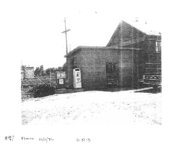
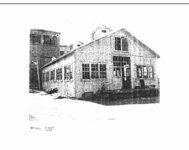
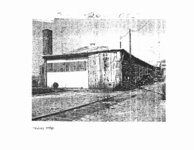
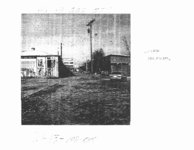
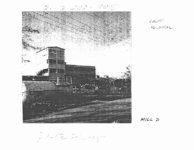
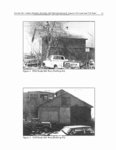
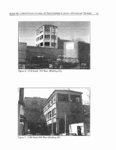
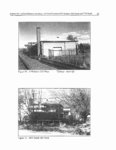
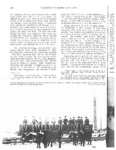
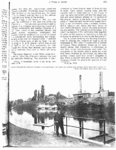
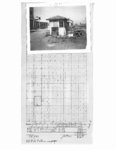
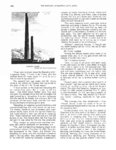
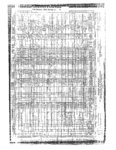
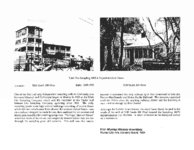
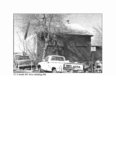
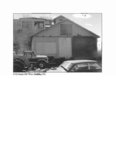
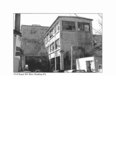
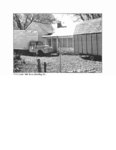
Show 255 A TOWN AT WORK the predominate inhab itant The farther down the financ ial ·.'rale the head of the household was, the closer ~~ found himself and his family to th e railroad .~ac ks and slag dump of the smelter. . Reed Clegg, in his thesis of 1937, said this ~alth to • :bo ut the conditions of the west side of Murray income '; t th at time . .. "Unless some government agency in the ~ ngag es in a miniature slum-clearing project and )f labor -rovi des comfortable and sanitary housing at a ere not ;05t within reach of the unskilled laborer and opeans s(l1elter worker, unsanitary, inadequate and market -rowded housing conditions are certain to persist in the ~~ a well-defined circle surrounding the smelter, e peo:he slag dump and the railroad tracks. " 3<O Whether 3nd the 'he white middle class of Murray liked it or not, tnining :he great A. S. & R. smelter, which they strived 1e min50 hard to get for their community, not only r Bingj rought the money they desired , but it also creivale. . Jted a west-side slum , part of which still exists opera:oday. oreignThe casual observer in the 1930's could harden that ly fail to notice the difference between the east Greek and west-side dwellings. The west-side is charray not :1(;Cl egg , "A Sociologi c al Survey of the Murray Comat the ) was a Oration ~ that it Ity and ty. ~ (l1e lter, but also ~ ro und the smelter. munity," p. 85. Murray 1iversity. . Murray Murray J. 16. 'l ith the If ' S Studir; acterized by frame houses, most of them lacking in paint, many without running wate r and the majority had no toilet facilities in the house. A very few were connected with the City sewer system and some dumped sewage on the surface of the ground, usually in the back yard. The occupants of these decrep it houses were largely members of the low-income class - smelter workers , W.P.A. laborers and others who were forced to live " below the tracks " and in the areas surround ing the smelter. The question must be asked , why didn't the leaders of the community rally together to clean up this eyesore as vigorously as they did to bring the smelter to Murray in the first place? 37 The American Smelting and Refining Company tried to alleviate the problem of housing for its employees in 1911 when it constructed a number of houses. These dwellings, known as the community center, also maintained a club-house at one time, where entertainments were held. The occupants of the houses paid a rental fee when they were employed by the smelter, but when the smelter closed down they weren 't obligated to pay. Plots of ground were also available and the company plowed the ground for gardens without :l7Ibid. , pp. 75-76. Sme lter Pond with the American Sm elter in th e backgrou nd. Th is pond was located west of State Stre et about 50th to 52nd So . Courte sy Chris Glauosn, negativ e at Don Bla ir' s Stud io |