| OCR Text |
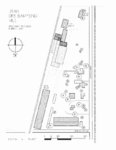
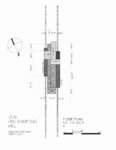
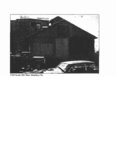
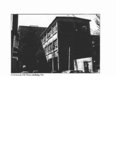
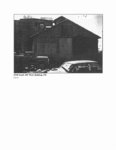
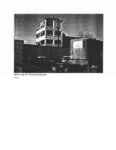
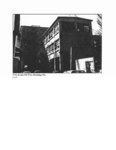
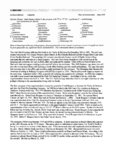
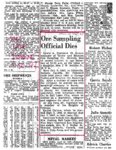
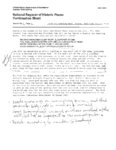
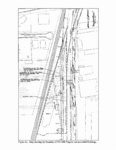
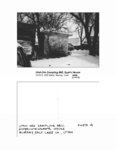
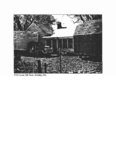
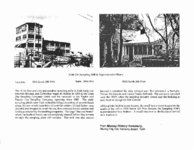
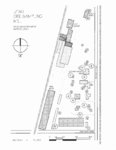
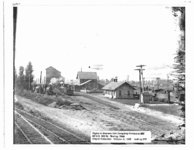
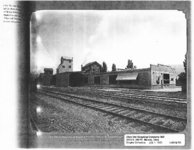
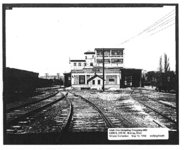
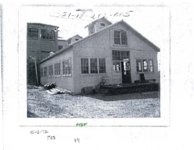
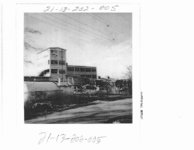
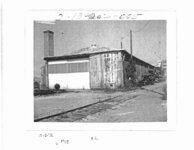
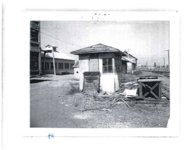
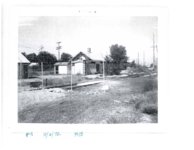
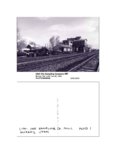
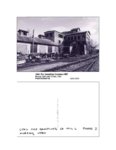
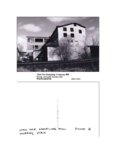
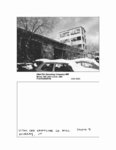
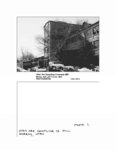
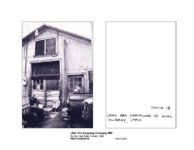
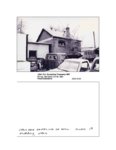
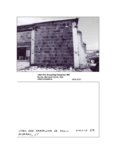
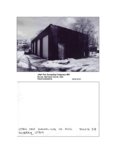
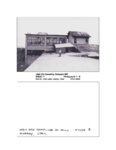
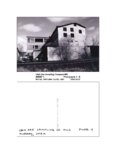
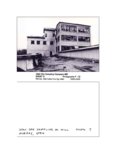
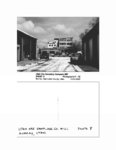
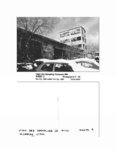
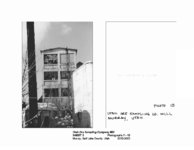
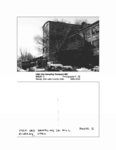
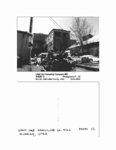
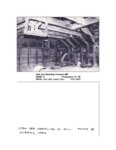
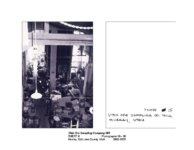
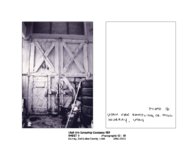
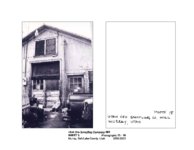
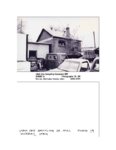
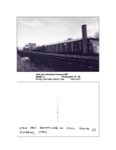
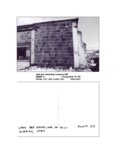
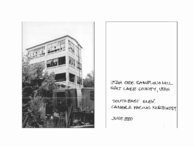
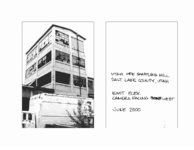
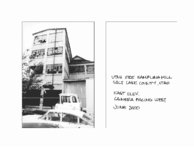
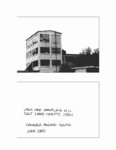
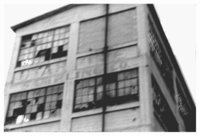
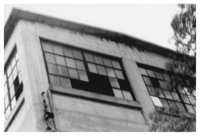
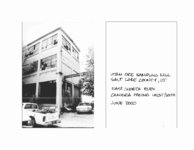
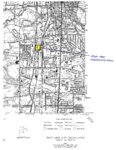
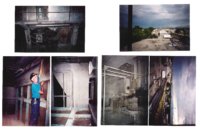
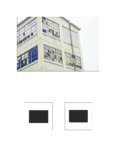
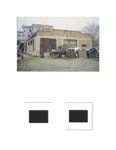
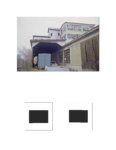
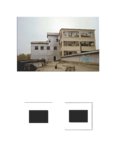
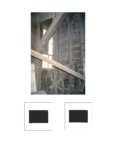
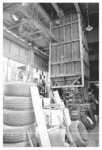
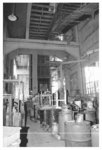
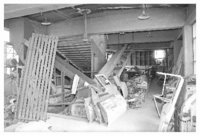
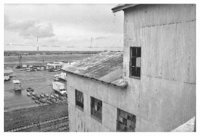
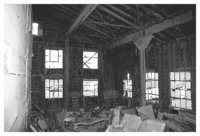
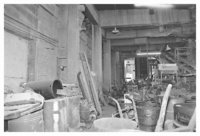
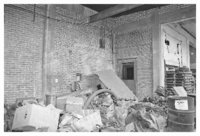
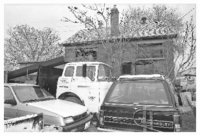
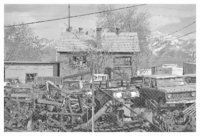
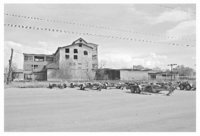
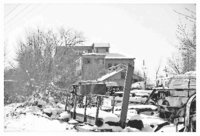
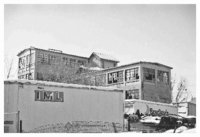
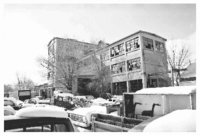
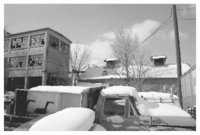
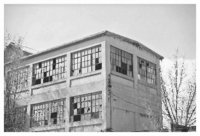
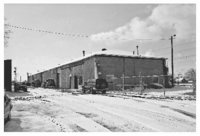
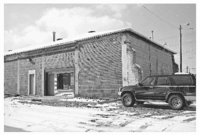
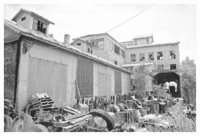
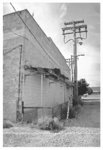
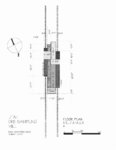
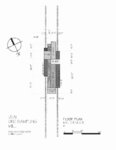
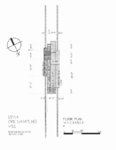
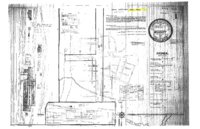
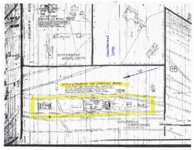
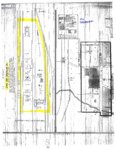
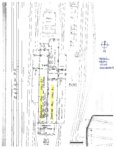
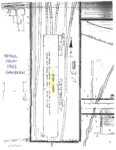
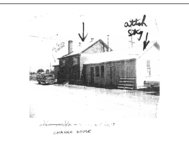
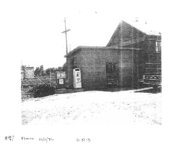
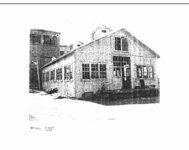
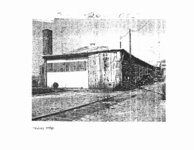
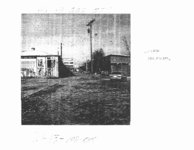
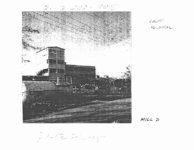
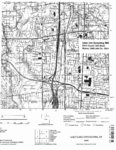
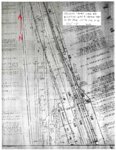
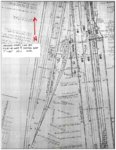
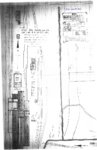
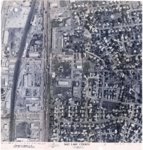
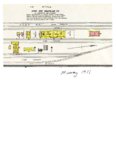
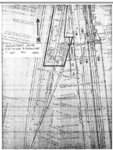
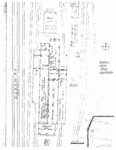
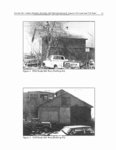
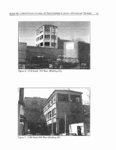
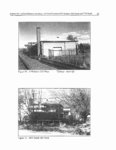
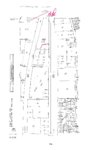
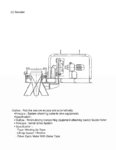
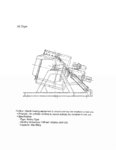
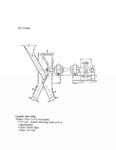
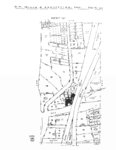
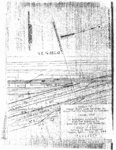
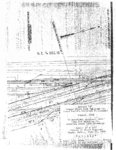
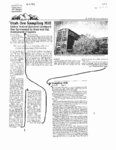
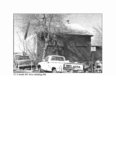
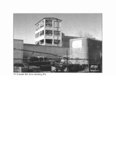
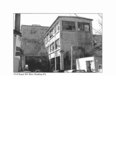
Show OMS No. 1024-0018. NPS F""" United States Department of the Interior National Park Service National Register of Historic Places Continuation Sheet Section No. ~ Page ~ Utah Ore Sampling Company Mill, Murray, Salt Lake County, UT During the first quarter of the twentieth century the Utah Ore Sampling Company was at the height of production. It was situated between the Denver & Rio Grande and the Oregon Short Line (later part of the Union Pacific railroad), with a total of seven sidings and spurs servicing the complex. The ores came by rail cars from Utah and the surrounding western states, but also from South America, Canada, and Alaska . During World War I, the mill received one shipment of tungsten ore from China. Most of the ore was processed and sent to either the ASARCO smelter in Murray or the United States Smelting, Refining and 9 Mining Company plant in Midvale. Some ore was shipped to eastern steel plants or government stockpiles. In 1924 and 1927, the Utah Ore Sampling Company granted easements to the Oregon Short Line and Denver & Rio Grande railroads respectively . The easements correspond to a period of expansion at the mill site. Around 1924 two adjoining buildings were constructed to the south of the Original mill. One was a fivestory frame building covered in corrugated metal and the other was a long one-story concrete and brick building. These two buildings together were known as Unit C (Mill C) and were placed into service in August 10 1925. Mill C combined the earlier mill technology, which used gravity, with a newer "low spread-out" type. The mill had a capacity of 100 tons-per-hour and could crush the ore to 1% inch in size. Two other structures were added in 1924: a corrugated metal shop building and a cinder-block oil storage-coal shed. Around 1926 the original mill was destroyed by fire. In 1928, Unit D (Mill D), a large four-story concrete building, was constructed connected to Mill C on the east. Unit D was placed into service on November 13, 1929. (The sulphide mill was probably demolished at the same time or shortly after.) Mill D had a capacity of 125 tons-per-hour and could produce ore at a ?-inch size. As part of the expansion a brick and concrete thaw house (or thaw shed) was built on a spur to the south in 1927. The objectives of the expansion were increased productivity and efficiency, and included a 1925 patent for "a new sample cutting machine, known as the Utah Ore Sampling Company's Ore Sampler.',11 The machine later used by other companies in their operations. Interviews with Barney Evans and other former smelter workers provide an understanding of the sampling process in the mid-twentieth century.12 Rail car loads filled with frozen ore were first pulled into the thaw house to be completely thawed before moving to the sampling plant. Spurs from the thaw house could send the rail cars to the shed-structure for either Mill C or Mill D where the ore was weighed. Most of the cars were the "belly-dump" type, which sent half the ore directly into a hopper; the remaining ore would require six men to empty the car. A few silver ore cars had doors and required a different operation. The ore was then run through a motorized crusher to break it into rock-sized pieces. Buckets on conveyors would be used to take the ore to a higher pOint in the building where cones were used to pulverize the ore. Three separate screens were used to filter the larger chunks , which were run back through the crusher and the cone process if necessary. Samples were taken and the lot was sent through a chute and loaded back into the same car. The buckets and machinery had to be cleaned out thoroughly between each batch of ore to avoid "salting" or contaminating the sample. Other equipment used was the cutter (for finer ore), a drying machine (to dry the moisture in iron ore), and a divider (for sorting ores.) Analysis of the ore sample content took place in the sampling rooms at the south end of Mill C. Much of the workers' time was spent sweeping and clearing dust Evans. Ibid. 11 Ibid. 12 Evans. See also Su Richards' interview w1lh Clyde Wolf, Bill Colt and Bob Conrad conducted in Murray in 2000. 9 10 |