| OCR Text |
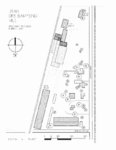
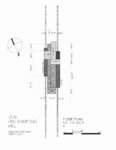
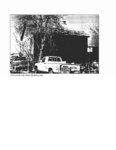
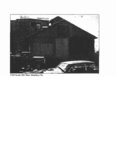
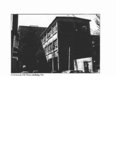
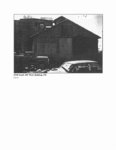
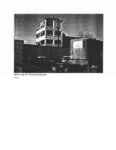
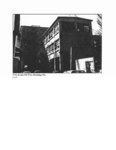
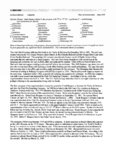
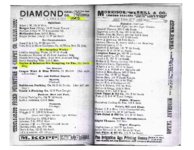
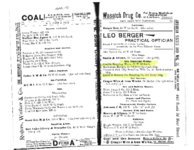
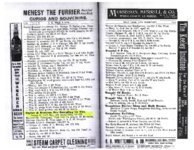
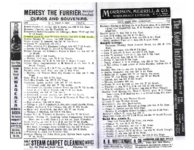
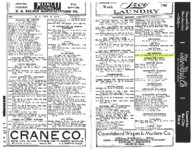
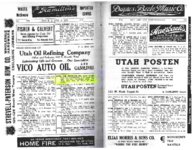
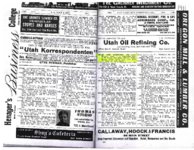
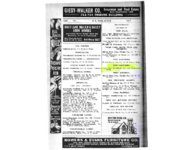
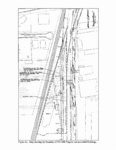
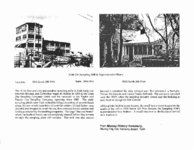
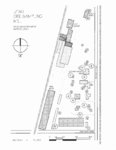
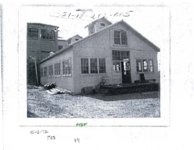
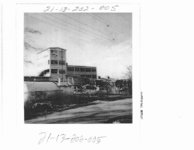
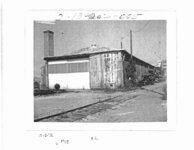
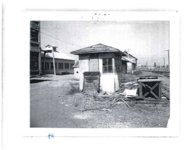
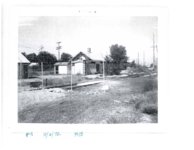
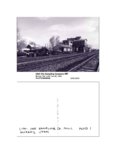
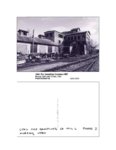
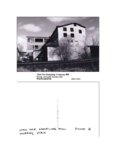
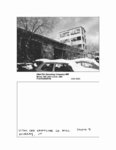
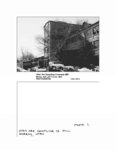
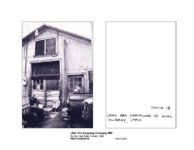
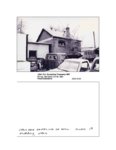
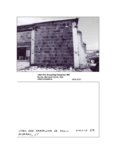
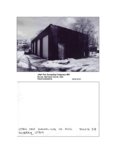
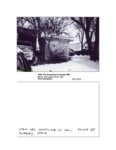
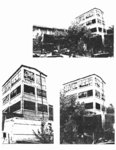
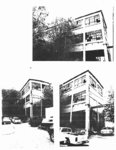
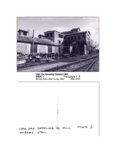
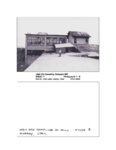
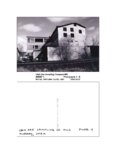
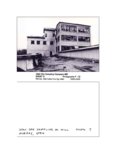
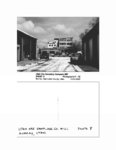
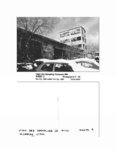
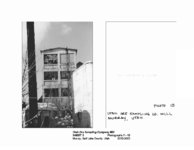
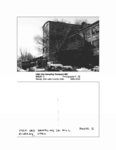
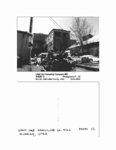
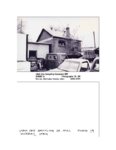
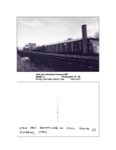
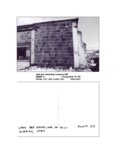
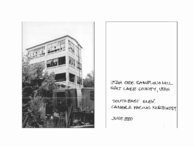
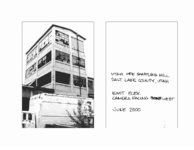
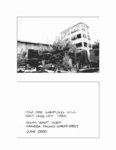
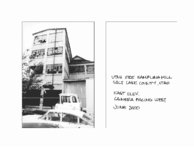
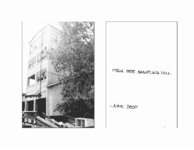
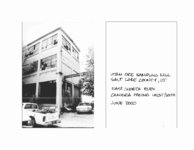
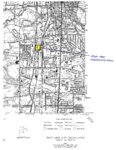
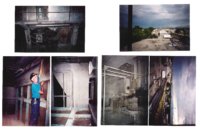
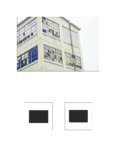
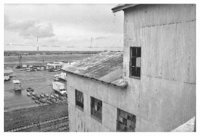
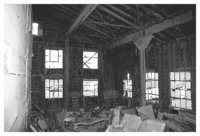
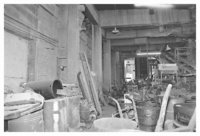
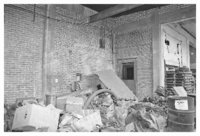
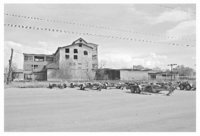
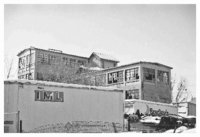
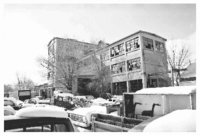
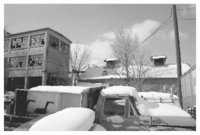
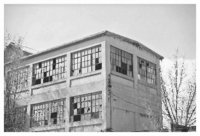
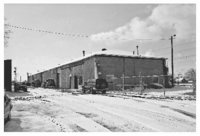
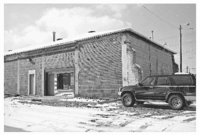
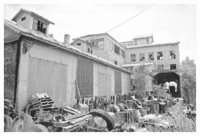
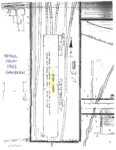
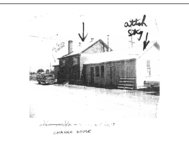
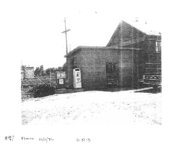
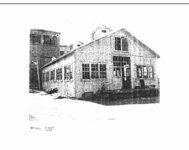
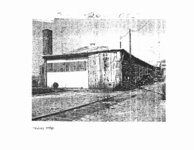
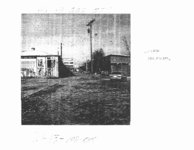
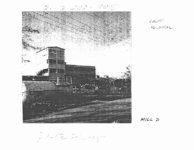
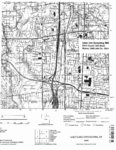
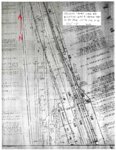
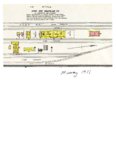
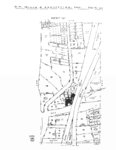
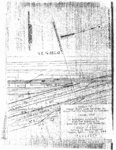
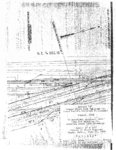
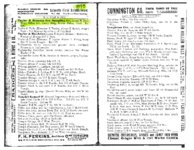
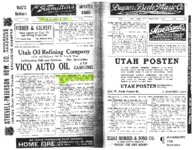
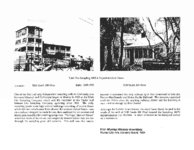
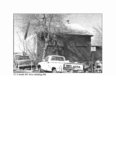
Show OMS No. 1024-0018 . NPS Form United States Department of the Interior National Park Service National Register of Historic Places Continuation Sheet Section No. §. Page ~ Utah Ore Sampling Company Mill, Murray, Salt Lake County, UT the ore they produced. They wanted an independent sampling company who neither produced nor purchased ore. [emphasis added]3 There were many mining and smelting companies who had sampling within their operations, but a third-party sampler was desired to provide a fair and unbiased value of the ore samples. Mine owners could estimate the potential yield of various metals from ores accurately enough that the smelter would be scrutinized if it the 4 outcome differed from the sample. The Taylor and Brunton Ore Sampling Company Mill, established in Murray in 1892, was one of the first independent sampling works in the United States. The mill later became the Utah Ore Sampling Company, which remained one of very few independent samplers in the world during its operations between 1909 and 5 1958. History of the Utah Ore Sampling Company Mill: The Utah Ore Sampling Company's predecessor, the Taylor and Brunton Ore Sampling Company, was established in 1892 at approximately 5400 South and 300 West. The land was originally farmland owned by Murray's pioneers, including Christian Berger who sold a right of way to the Utah Southern Railroad in 1873. The Taylor Ore Sampling Company of Colorado purchased property from Frank Taylor on April 19, 1892. The location was ideally suited to the sampling process. It was near two important railroads, an irrigation canal, and connected by rail to the Germania Smelting Works one-half mile to the northeast. Additional advantage was the close proximity of the mill and the smelter allowed the railroads to treat them as a single destination for billing purposes. The 1893 gazetteer listed four sampling works and 111 mining companies. The 1898 Sanborn map indicates the mill complex consisted of a tall frame mill building, a brick office and several small outbuildings. The mill was located between the Oregon Short Line Railroad and the Rio Grand Western Railroad on sidetracks between the two lines, with several spurs servicing the mill building on the east and the west. According to one source, the location was the only point at which the two railroads were s connected . The sampling company first appears in the 1893 Salt Lake City directory. The company had a 7 business office at 511 Dooley Building with mill operations in Pallas, Utah . Pallas was the station name for that particular area of Murray. The city directories indicate James W . Neill was the manager between 1893 and 1900. In 1900 additional property was purchased from John Cahoon in 1900. This was probably around the same time a second mill building was constructed to the southeast. The 1911 Sanborn map would later identify the older building as the "Oxide Mill" and the newer building as the "Sulphide Mill." Between 1901 and 1906, Lewis A. Copeland (1863-1947) was the manager of the mill. T. R. Woodbridge (1861-1937) was vice-president from 1907 to 1909. The year 1909 was a transitional year for the mill complex. In November 1909, the Taylor and Brunton sampling company obtained additional land from Charles M. and Elizabeth B. Morris. The combined property Evans, Bamey V. [Mr. Evans] , interview with Murray school children recorded in "A Town is Educated ," The History of Murray City, Utah (Murray City Bicentennial History Book Committee, Murray City Corporation, 1976): 206-207 . 4 Ibid. S Johnson and Shirer, 25. 6 Murray History Inventory. 7 The Dooley Building in Salt Lake City was designed by the noted architect Louis Sullivan. It was razed in the 1970s. 3 |