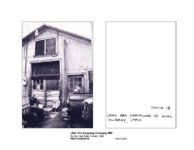
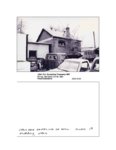
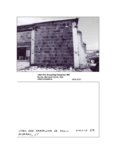
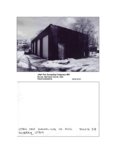
| OCR Text |
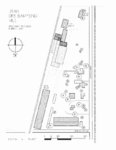
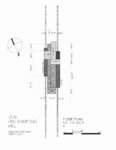
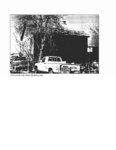
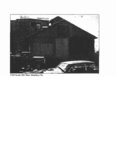
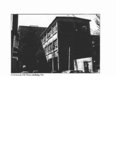
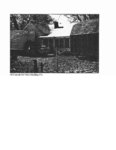
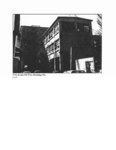
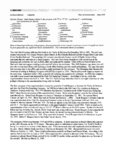
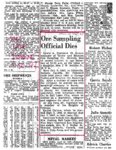
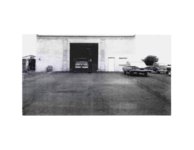
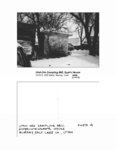
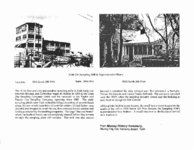
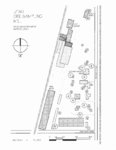
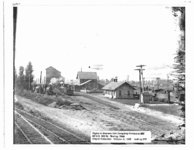
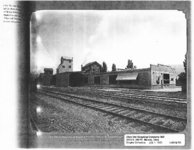
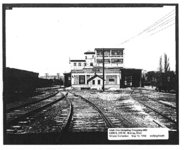
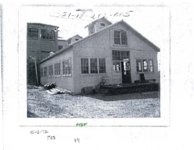
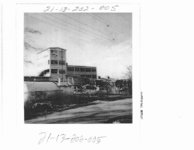
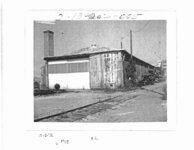
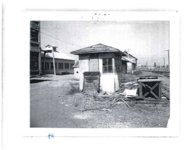
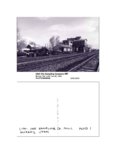
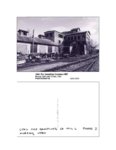
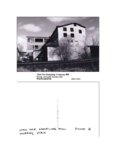
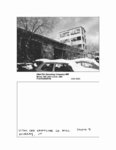
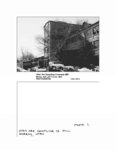
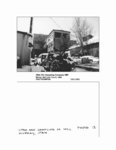
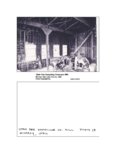
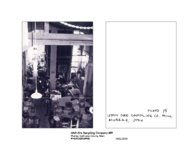
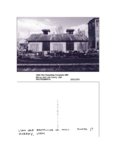
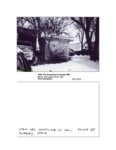
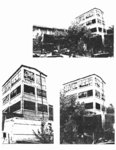
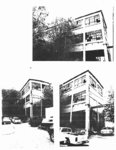
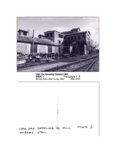
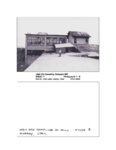
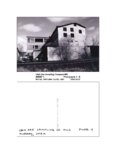
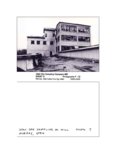
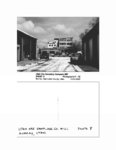
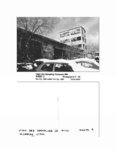
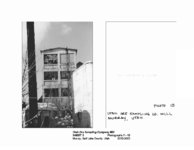
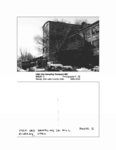
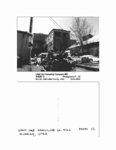
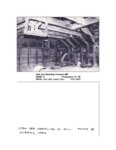
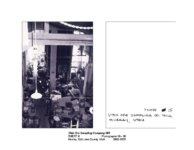
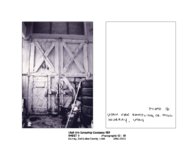
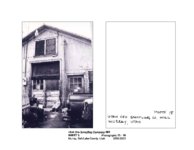
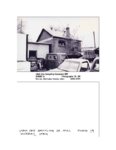
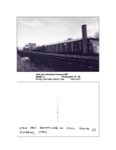
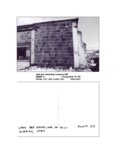
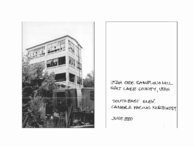
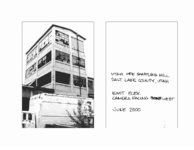
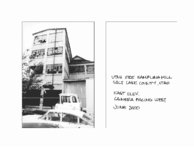
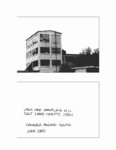
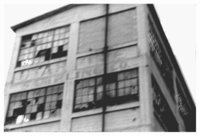
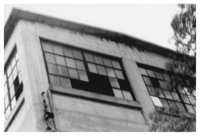
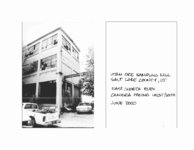
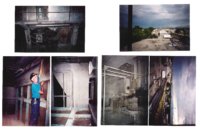
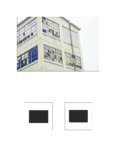
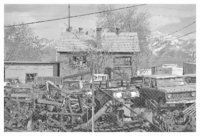
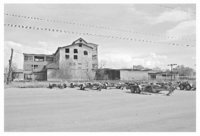
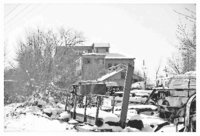
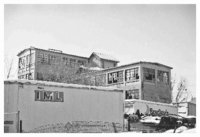
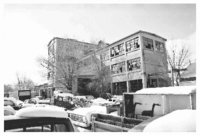
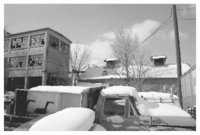
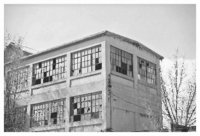
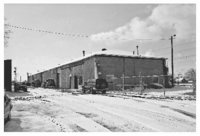
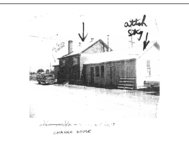
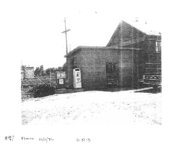
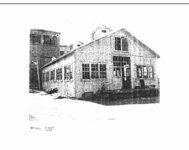
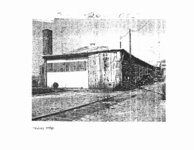
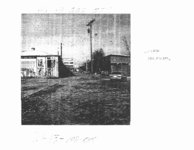
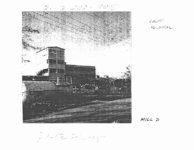
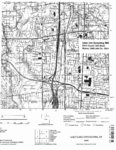
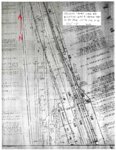
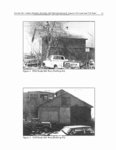
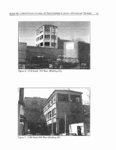
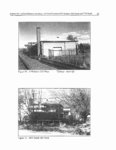
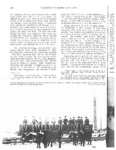
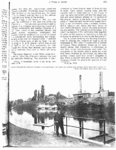
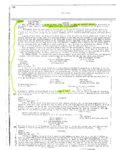
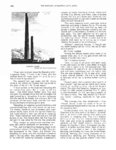
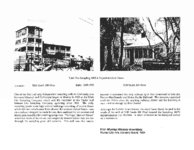
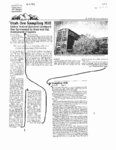
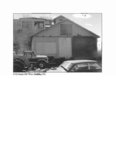
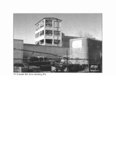
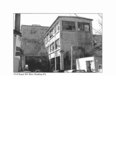
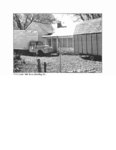
Show THE HISTORY OF MURRAY CITY, UTAH 206 American Smeller. Courtesy Utah State Historical Society "If we want to know about the Sampling Mill," suggested Betty, "I know a Mr. Evans who has worked there for many years. I'm sure he could . tell us many things about it." The appointment was made and Mr. Evans came to our school on Tuesday morning to tell us the story of the mill. Mr. Evans began : "I have worked at the Utah are Sampling Mill for twenty-three years. But in order to tell the story, I had better begin farther back. You boys and girls may already know that ore is bought and sold according to the sample. It is very necessary that the sample be honest and accurate. Both the producer and the buyer must know the real value of any ore that is to be bought or sold. "Sampling ore requires special machinery and special knowledge that most miners do not have. The miners, therefore, had to depend upon companies which could afford this special machinery and could afford to hire men skilled in sampling ores. These companies were the smelters and the buyers of ore. The miners often felt that they did not get the real value for the ore they produced. "They wanted an . independent sampling company who neither produced nor purchased ore. "The Utah are Sampling Company began as an independent sampler December 6, 1909. They are the successors to the Taylor and Brinton are Sampling Company, who had operated a sampling plant in Murray since 1890. During the early days of the Utah are Sampling Company, it operated a number of plants located at various places such as Park City, Murray, and Tintic. Later it became evident that one centralized plant would be more advantageous and Murray was chosen as the best place for such operations. "The early sampling plants were high vertical buildings consisting of several floors. The ore was elevated to the top floor and then by means of gravity it passed down through crushers and conveyors until it was properly crushed and the samples taken. The main objection to this type of construction was the use of bucket elevators in the sampling circuit. Those buckets had to be cleaned after each lot of ore so as to prevent 'Salting' the sample of the lot following." "Salting?" remarked George. "I thought salting meant putting salt on things like we do when we are eating." Mr. Evans laughed. "Salting the sample means when some of the sample from one lot of ore gets mixed with the sample of another lot of ore." "Oh," breathed George. "Then, in order to do better and faster work, a new unit known as Unit C was added in August 1925, with a capacity of 100 tons-per-hou r. This new construction was of the low spread-out type and had many advantages over the earlier type. The are was crushed to 1 % in size which made a good smelter product. The ore to be shipped to flotation plants had to receive further crushing there. "Several years later a demand developed for a finer product from the sampler which could be fed directly to the finer grinding mills of the flotation plants. The Utah are Sampling Company on November 13, 1929, placed in service 'Unit D', which is situated beside 'Unit C2', and has a capacity of 125 tons-per-hour. This new product is a 3/a-inch size before sampling, especially in high grade ores. "The company has also constructed a large 'Thawed House' where car loads of frozen ore are completely thawed before they are run through the sampling plant. "At the present time the Utah are Sampling Company is the only plant of its kind in the world; that is, an independent sampler that confines its operation to sampling only. This plant samples all kinds of ore. The ore received comes mostly from Utah and adjoining western states. It has received ore from South America, Canada, and Alaska. During World War I, it received one shipment of tungsten ore from China. Most of the are sampled by this plant is sent to the American Smelting and Refining Company, the United States Smelting, Refining, and Mining Company, or the International Smelting and Refining Company. Some of the ore has gone to eastern steel plants |