| OCR Text |
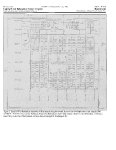
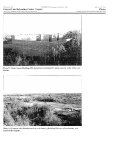
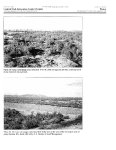
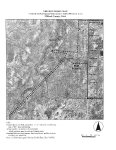
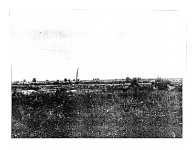
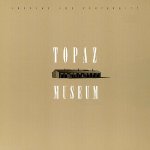
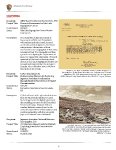
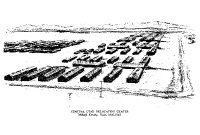
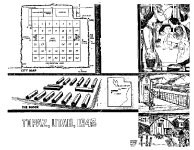
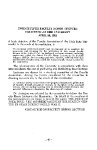
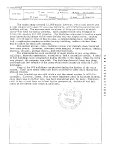
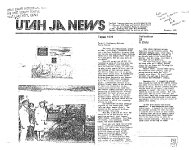
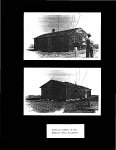
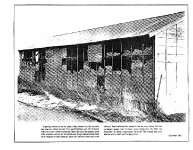
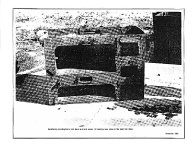
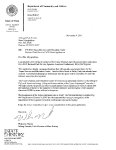
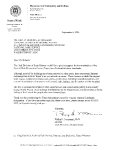
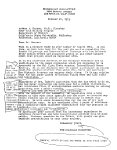
Show Department of Community and Economic Development DA VID HARMER L::x('culil't' Dire/'wr State of Utah Division of State History I Utah State Historical Society PHILIP F. NOTARIANNI /)il'isio/l Dirt'clllr OlENE S. WALKER G/we,."or GA YlE McKEACHNIE Ut'IIIt'IlUIlI G/II't'nlOr October 19, 2004 NATIONAL HISTORJC LANDMARKS SURVEY NATIONAL PARK SERVICE 1849 C STREET, NW, 2280, WASHINGTON, DC 20842 To Whom It May Concern: I have reviewed the draft of the "Japanese Americans In World War II" National Historic Landmark Theme Study, and would like to encourage consideration for the Topaz Relocation Center (Millard County, Utah) to be studied for possible NHL designation. The current study only recommends a boundary increase to the existing National Register nomination. However, I feel this site has national significance that would warrant it being a National Historic Landmark. As with most of the camps in the study, very little of the built resources remain. However, the plan of the site is readily apparent. In 2001 an archaeological survey was completed that revealed more personal details remaining in the camp after almost 60 years, which testify to the community that Topaz was at one time. Although most of the buildings have been removed to other areas, there are several features remaining that attest to Topaz's use as a relocation center. These features include the original barbed wire fence, roads, paths, garden areas, building foundation outlines, and concrete foundations of structures such as mess halls, latrines, the fire station and the hospital. Perhaps more significantly, some of the internees of Topaz were people who were important to our nation's history. One internee, Chiura Obata, was an art instructor at UC Berkeley whose son, Gyo Obata, designed the National Air and Space Museum. Another was Mine Okubo, who wrote Citizen 13660, a memoir that is still in print describing her life during this period. The camp was also home to Fred Korematsu and Misuye Endo, both were defendants in two of the four Supreme Court test cases on internment. The Court ruled in Endo's favor and basically ended internment. Another resident, James Wakasa, was shot and killed by a soldier who thought he was trying to escape; an event that was to prove significant in the history of these camps. An organization, the Topaz Museum, now owns more than 500 of the original 640 acres of the camp. Although a portion of this is listed in the National Register of Historic Places, strengthening that designation to Landmark status would help in raising awareness and providing avenues to better fund the prevention of damage to the site that is under constant threat through recreational use of the area. 1 T.t.-l.•., 300 South Rio Grand~. Salt lake City. UT 8410] • t~kphone (801) 533-3500. facsimile (801) 533-3503 • WwW.histOry.u t a h . g O v L . l U - l l . t Where ideas connect |