| OCR Text |
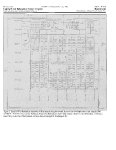
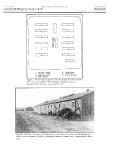
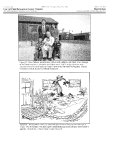
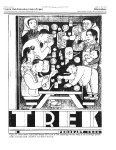
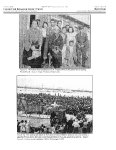
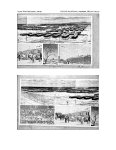
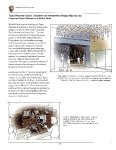
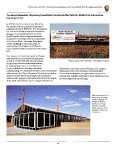
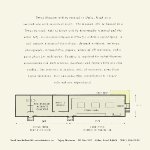
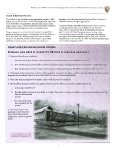
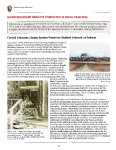
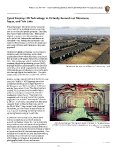
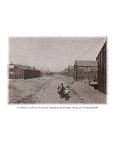
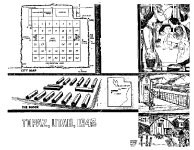
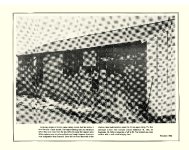
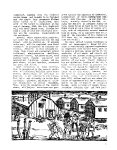
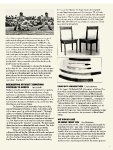
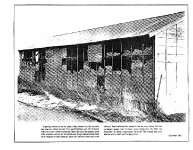
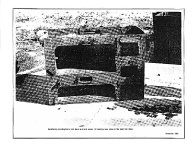
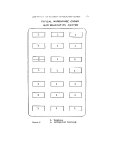
Show NPS Fonn 10-900 USDIINPS NRHP Registration Fonn (Rev. 8-86) CENTRAL UTAH RELOCATION CENTER (TOPAZ) United States Department of the Interior, National Park Service OMB No. 1024-0018 Page 33 National Register of Historic Places Registration Fonn Kawakami described her initial impression of the housing that would be hers for the foreseeable future: "The first sight of our rooms was dismal-no furniture, unfinished walls and ceiling, and a two-inch layer of fine dust on the floors and windowsills." Those in the last groups to arrive were not even assigned to barracks, but had to sleep in dining halls, laundries, and hospital corridors until more buildings were completed. Yoshiko Uchida remarked, "Once again the Army had sent the Japanese Americans into crude, incomplete, and ill-prepared camps." Completion of buildings with wallboards, ceilings, and stoves, known as "winterization" in the camp, began on 19 September and was completed by December, except for laundries. 88 At Topaz several generations of a family could be crowded into one barracks apartment, and there was a scarcity of rooms for accommodating small families of two and three (See Figure 25). In some cases these families were forced to share quarters with others for a while. For example, Mine Okubo and her brother lived in their oneroom "apartment" with a bachelor whom they hadn't met before. The lack of partitions and the flimsy nature of the construction resulted in sound carrying throughout the buildings. Tsuyako Kitashima observed, "Whether we ate, argued, cried, laughed, or defecated, we did it in the company of others." The lack of privacy was experienced in many daily activities, which caused the Topaz Times to present one lighter side ofthe situation: "And a word to the men. We bet they don't know that every word they speak in their showers can be heard through the walls in the quiet cubicles where the girls bathe.,,89 A number of problems in the hastily-created camp became apparent as evacuees began moving in. Open water main ditches were easy to fall into, especially at night, so residents were asked to keep their porch lights on until morning. Supplies began to run short by the time the third group of evacuees arrived. The 513 people who entered camp on 1 October spent the first night without mattresses and blankets. Aside from their army cots, the residents had no furniture in their new barracks. The government expected the evacuees to build their own furniture with scrap lumber left over from construction of Topaz and from the new Remington Arms plant in Salt Lake City. Officials designated some wood for such purposes, and other building materials were simply appropriated in "nocturnal raids" by the residents. Mine Okubo wrote, "With the passage of time and the coming of cold weather, stealing no longer became a crime but an act of necessity." Families without members skilled in carpentry were at a disadvantage in acquiring furniture. The WRA reported that by the end of 1942 it had abandoned the idea of creating a "normal" life for the evacuees and "was squarely facing the fact that a large degree of 'abnormality' was an inherent element in the whole pattern of center life.,,9o Residential Blocks The "basic unit for political action" at Topaz was the individual residential block, representing a population of 250 to 300 people. Each block had a paid manager and an assistant who were responsible for the general welfare of their residents, including the distribution of supplies, maintenance of the facilities, and supervision of improvements. They assisted with special projects, such as planting vegetables to supplement meals, insured the regular distribution of coal, and supervised winterizing of barracks. The managers, most of whom were Nisei, served as the liaison between the administration and the residents, responded to problems of individuals, and attended centerwide meetings. The meetings were a vehicle for discussing the problems of each block and finding ways to improve the quality of life. Within each block were facilities specifically used by its residents, such as the dining halls, the laundry and latrinelbathhouse facilities, and buildings used by the entire 88 Kawakami, "Camp Memories," in Daniels, et ai, 27; Taylor, Jewel of the Desert, 94; Uchida, Desert Exile, Ill; Trek, vol. I, no. I (December 1942): 5. 89 Topaz Times, 10 October 1942, 2 and 6 February 1943, 5; Kitashima and Morimoto, Birth of an Activist, 49. 90 Topaz Times , 26 September 1942; WRA, Welcome to Topaz, 5; Arrington, Price of Prejudice, 23; Okubo, Citizen 13660,137; Topaz Times, 26 September 1942; Taylor, Jewel of the Desert, 95 ; WRA, WRA, 105 . |