| OCR Text |
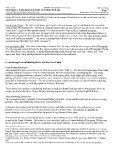
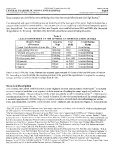
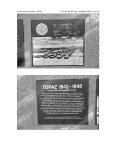
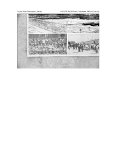
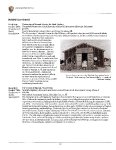
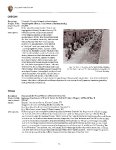
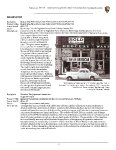
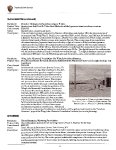
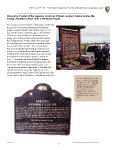
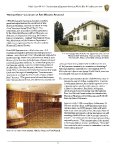
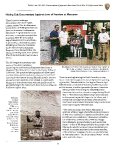
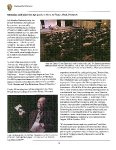
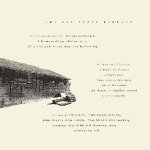
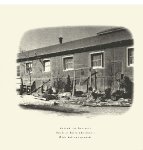
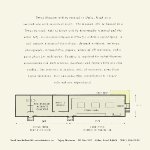
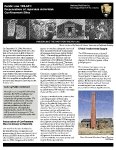
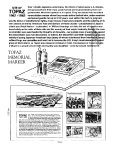
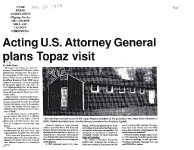
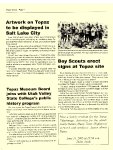
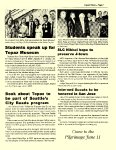
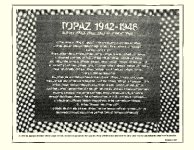
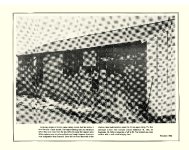
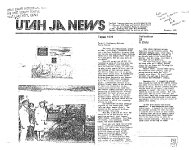
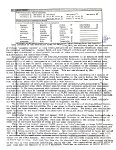
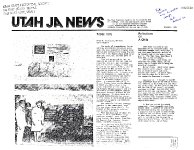
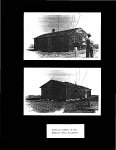
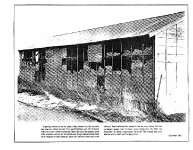
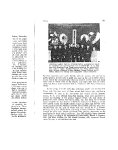
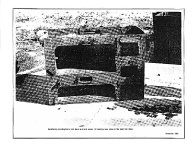
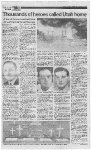
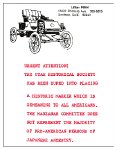
Show NPS Form 10-900 USDIfNPS NRHP Registration Form (Rev. 8-86) CENTRAL UTAH RELOCATION CENTER SITE (TOPAZ) United States Department of the Interior, National Park Service OMB No. 1024-0018 Page 54 National Register of Historic Places Registration Form Recognition of the Site In 1974, the developed area of the Topaz relocation camp was listed in the National Register of Historic Places in a nomination prepared by the Utah State Historical Society. In 1975, the Louis B. Ellsworth family donated one acre ofland for a monument to be established at Topaz. The monument, designed by Salt Lake City graphic artist Ted Nagata and funded by former Topaz residents and local bicentennial committees, was a project of the Utah chapter of the Japanese Americans Citizens' League. Dedicated on October 9,1976, the concrete and stone monument stood seven feet high and contained plaques describing the historical significance of Topaz, l7l Tsuyako Kitashima reflected on the importance of erecting a monument at the Topaz site: I wanted to see the historical monument erected in remembrance of the camp .... As we stood before it I felt a sense of pride. Here was something lasting which would teach people about the camp and its history. America' s history. It stood as a testament to the past. 172 In 1982, the Congressional Commission on Wartime Relocation and Internment of Civilians rejected the rationale that the relocation was based on military necessity and concluded that the "broad historical causes that shaped the decisions were race prejudice, war hysteria, and a failure of political leadership." The commission was established by the U.S. Congress in 1980 to study the impact of the relocation and to propose remedial action. While a handful of individuals still defended the relocation decision, the commission concluded that "the personal injustice of excluding, removing, and detaining loyal American citizens is manifest. Such events are extraordinary and unique in American history. For every citizen and for American public life, they pose haunting questions about our country and its past."l73 In August 1988, President Ronald Reagan signed legislation providing $20,000 in tax-free reparations to each of sixty thousand surviving Japanese American evacuees. The bill included a formal apology, a review of convictions, and pardons for those who did not cooperate with the relocation. The President observed that "this bill has less to do with property than with honor. For here we admit a wrong."l74 An informal Topaz Museum Board was organized in 1991 as a result of a Delta family donating half of an original Topaz recreation hall. The group determined to restore the building to its condition during the war years and successfully raised more than $50,000 from former Topaz evacuees. The restored building was dedicated in July 1995 on the grounds of the Great Basin Museum in Delta. Plans for a museum focused on Topaz heartened Tsuyako Kitashima, who commented that it "fills me with hope that younger generations of Americans will have a concrete reminder to not repeat the mistakes of the past." The Topaz Museum Board was incorporated as a nonprofit corporation in December 1996 with the following mission statement: "To preserve the Topaz relocation experience during World War II; to interpret its impact on the evacuees, their families, and the citizens of Millard County; and to educate the public in order to prevent a recurrence of a similar denial of American civil rights." Delta High School teacher Jane Beckwith, a native of the town and president of the board, took a lead in efforts to remember the story of Topaz and its historical significance. 171 Kent Powell, "Topaz War Relocation Center," National Register of Historic Places Nomination Form (Washington, DC: U.S. Department of the Interior, National Park Service, 1972); Deseret News, October 9, 1976; Frank K. and Sadie Yoshimura Photograph Collection, Photo 1091, University of Utah, Marriott Library, Special Collections, Salt Lake City, Utah; Alice Kasai Manuscript Collection Number 1091, Box 74, File Folder 4, University of Utah, Marriott Library, Special Collections, Salt Lake City, Utah. 172 Kitashima and Morimoto, Birth of an Activist, 131. 173 U.S. Commission on Wartime Relocation and Internment of Civilians, Personal Justice Denied (Washington: U.S. Commission on Wartime Relocation and Internment of Civilians, 1982),35; Don T. Nakanishi, "Surviving Democracy's 'Mistake' : Japanese Americans and the Enduring Legacy of Executive Order 9066," Amerasia Journal 19 (1993): 8. For an example of the minority who defend the relocation program, see Lillian Baker, The Concentration Camp Conspiracy--A Second Pearl Harbor (Lawndale, CA: AFHA Publications, 1981). 174 Linda M. Rancourt, "Remembering Manzanar," National Parks (May/June 1993): 34. |