| OCR Text |
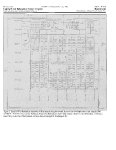
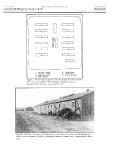
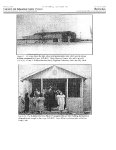
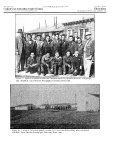
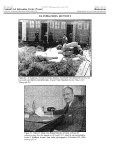
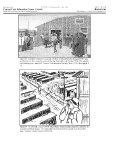
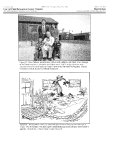
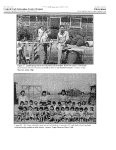
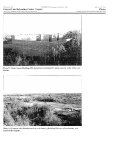
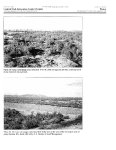
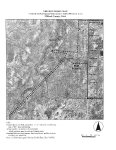
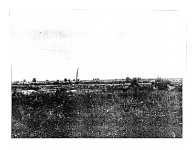
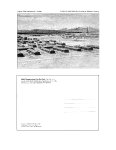
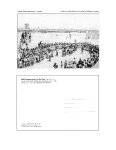
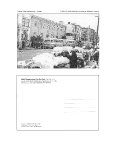
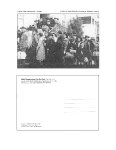
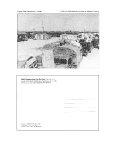
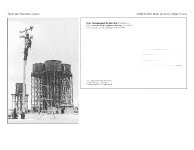
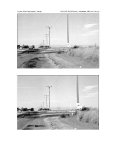
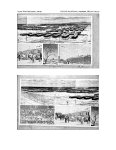
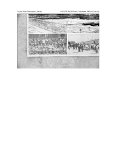
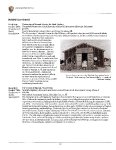
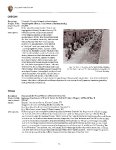
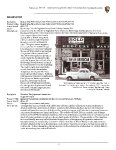
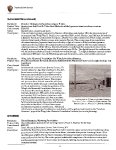
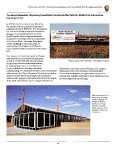
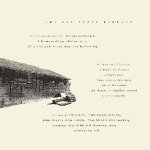
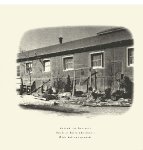
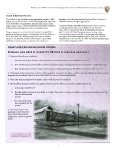
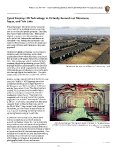
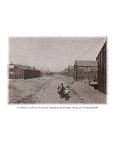
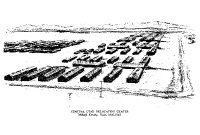
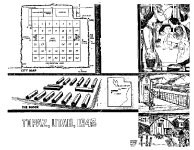
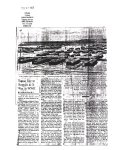
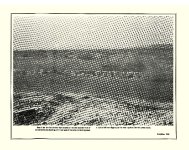
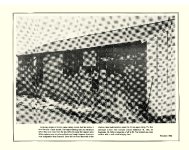
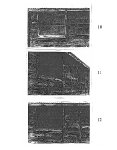
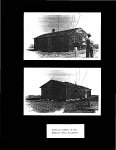
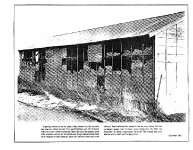
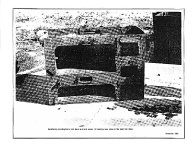
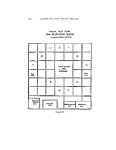
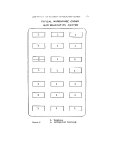
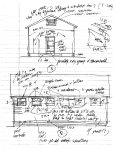
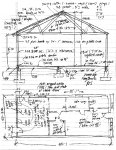
Show NPS Fonn 10-900 USDlINPS NRHP Registration Fonn (Rev. 8-86) OMB No. 1024-0018 Page 10 CENTRAL UTAH RELOCATION CENTER (TOPAZ) United States Department of the Intenor, National Park Service National Register of Histonc Places Registration Fonn Administrative Buildings and WRA Housing; Hospital Complex; Warehouse and Industrial; Military Police Complex; and Motor Pool and Lumber Yards. All of Section 20, except for the Military Police area, was surrounded by a four-foot high fence composed of four strands of barbed wire and four-inch cedar posts. The compound was ringed by seven guard towers spaced one-half mile apart. The functional sections within the built-up area are discussed below. Evacuee Housing Area The southern three-quarters of the grid, south of Malachite Avenue, comprised the housing area for evacuees. Separated from the administrative area by an open strip of land, this portion of the camp contained forty-two blocks; thirty-three were used for evacuee housing, while the remaining nine blocks were used for special purposes (see below). Evacuees began moving into the housing areas in September 1942. Each residential block followed the same layout: two columns of six rectangular evacuee barracks along the eastern and western edges; a rectangular mess hall and an H-shaped combination laundry, bath, and latrine building in the center; and a rectangular recreation building at the end of one of the columns of barracks. Within a block, the barracks were numbered one through twelve, with six apartments within a barracks designated by letters, A through F. Blocks in the residential area were designated by a four-digit number; for example, Block 7 was designated as 1100. A typical apartment designation was 11 03-B Willow Street, providing the illusion of a nonnal city address. Figure 3 illustrates the configuration of a typical Topaz block that was common to most relocation centers, while Figure 4 is a photograph of a representative barracks. Figures 5 through 8 constitute a panorama of photographs taken of the entire camp from the water tower at the eastern edge of Topaz. 16 Buildings at Topaz and other relocation centers were modified theater of operations construction developed by the Wartime Civil Control Administration (WCCA) in consultation with the Commanding General of the Western Defense Command and the Office of the Chief of Engineers. Unmodified theater of operations facilities, designed for use by young, unmarried, male troops, were considered too primitive for the task at hand since they were generally unheated and had no floors. The modified design resulted in temporary buildings that were inexpensive, avoided the use of critical war materials, and could be assembled quickly. Despite such upgrades, _newspapennan Bill Hosokawa concluded that the camps "provided only for the most Spartan type ofliving.,,17 The creation of gravel paths between barracks and other buildings within the residential blocks began in January 1943. Locations for paths were staked by the Landscape Department, and gravel was trucked to the camp from deposits in the vicinity. The graveling project continued for several months in 1943 on a block-by-block basis. Stones were brought from the surrounding desert and mountains to create borders for a number of the paths. In addition to the paths, the evacuees engaged in considerable landscaping in the areas between barracks and paths. Rock gardens, concrete and stone pools, driftwood, barrel planters, flowers, shrubs, and areas "paved" with flat stones were created. In 1976, Yasuo William Abiko, a block manager at Topaz, recalled: "We all built small Japanese gardens everywhere. The anny-style camp was transfonned into livable conditions during those four years,,18 (see Figure 8). Evacuee Barracks/Apartments. The most numerous type of building constructed at Topaz was the evacuee 16 The block layout used at Topaz was also used at the Granada, Heart Mountain, Jerome, and Rohwer relocation centers. Somewhat different arrangements were employed at the other five centers. Topaz Times, 8 January 1943, 1. 17 U.S. War Department, Japanese Evacuation, 264; Bill Hosokawa, Nisei: The Quiet Americans (New York: William Morrow and Co., Inc., 1969),343. 18 Some gravel was obtained from a site five miles northwest of Topaz. Topaz Times, 8 January 1943,1 , and 10 April 1943, 1; Undated and unsourced newspaper clipping (Yasuo Abiko quote), in the Alice Kasai Manuscript Collection, Number 1091, Box 74, File Folder 4, University of Utah, Marriott Library, Special Collections, Salt Lake City, Utah. |