| OCR Text |
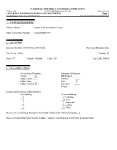
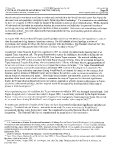
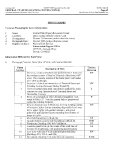
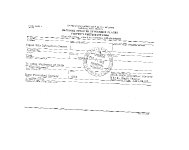
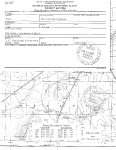
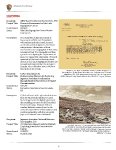
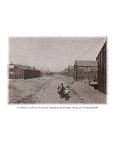
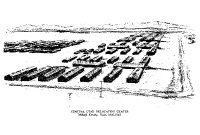
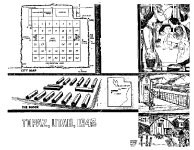
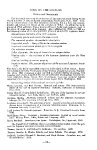
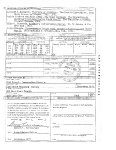
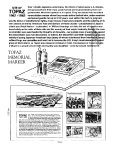
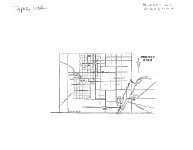
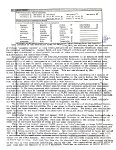
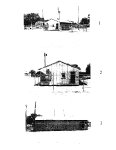
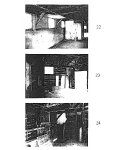
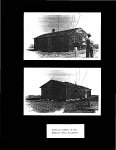
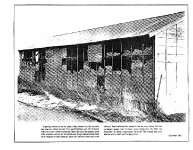
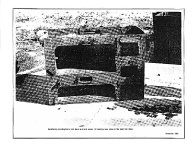
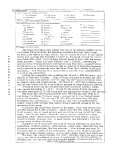
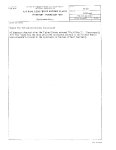
Show > < ..•.•.• . . . .. •.••. ','. . . ... . '.'.. (Ch"ck One arMor .. as Appropriate) . ~.· SIGN!f (<::AI'-I¢E. < I PERIOD ·1 0 . 'i · }· Pre-Columbian I 0 0 o 15th Century .....•. ,........,. ,. .•. '.•.. ......,.,.• . ..,. .< . >} . •. / . o 19th Century 17th C':'ntury ...•'. rn 20th Century o 18th Century 16th Century . . ' »< • . ...•.• ' . . ,..'.'... .•. « SPEC I FIC DA T E(sl (II Appl i cable Bnd Known) AREAS OF SI GN I FI CANC E (Check One or More as Appropriate) Abor iginal o Prehistoric o Historic o Agriculture o Archi tecture D . E ducati on 0 0 0 Invention 0 Literature .0 ~ Military o Conservation 0 Music STATEMENT OF SiGNIFICANCE (Specify) losophy 0 0 Landscape Arch i tecture Communications o Other o Religion/ Phi- I ndus try DArt o Commerce DUrban Planni!,g !Xi Pol iticol o Engineering Science Scu Ipture (XI Socia IIHumonitorian 0 0 Theater Tro 'n sportotion .. The Topaz War Relocation Center was one of ten camps established in the United States to house the Japanese evacuees from the West Coast. Following the attack on Pearl Harbor fear of "enemy aliens! 11 in the United States was so great that President Franklin D. Roosevelt signed the Executive Order 9066 which gave the Army blanket power to deal with the enemy alien problem. Un<;ler this order General John L. DeWitt commanding general of the Western Defense Command in San Francisco issued Public Proclamation No. 1 which announced that all persons of Japanese ancestry would eventually be removed from the West Coast "as a matter of military necessity." The Warti me Civil Control Administration was established to supervise the evacuation. At first the evacuation was voluntary and almost 5, 000 did move, principally to Utah and Colorado. Many of these voluntary evacuees ran into trouble as they were greeted with "No Japs Wanted II signs and turned back by border guards and armed posses. On March 27, 1942 the voluntary evacuation was halted and the army began a program of compulsory evacuation. Officially known as the Central Utah War Relocation Center, Topaz was opened September 11, 1942. Named for the nearbyTopaz Mountain, the camp consisted of 19 800 acres and was designed to house 9, 000 persons The camp was constructed between July 1942 and January 1943 bya California firm (Daley Brothers) under a contract let by the United States Corps of Engineers. The cost was $3,929, 000 with more than 800 men involved in the construction. The even tual cost was estimated at five million dollars with another five million dollars required annually for the operation of the camp. Throughout the three-year history of the camp, crime was almost nonexistent among the 8,000 evacuees. There were only two cases of aggravated assault two of grand larceny and one of destroying government property. Trouble was feared however, when a sentry enforcing a camp regulation which forbade any alien to approach the outer fence shot and killed an elderly Japanese man. A mass funeral was held and a vigorous protest made to camp officials. Residents of the ca mp were involved in various enterprises including agriculture, furniture-making brick making sheet metal manufacturing and numerous single-employee jobs and services. Most enterprises were intended to meet the needs of the community. Some 3,000 students passed through the Topaz School system. A newspaper Topaz Times was published. The camp was closed October 31, 1945. Although there are only a few ruins, the site is significant because it symbolizes the extreme degree of prejudice and war hysteria that was directed against Japanese and persons (see continuation sheet) I :z o I I z w I I I I I I I I |