| OCR Text |
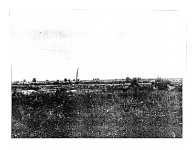
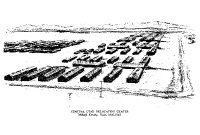
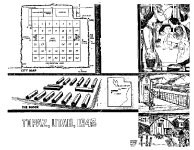
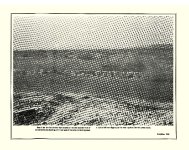
Show NPS Fonn 10-900 USDIINPS NRHP Registration Fonn (Rev. 8-86) CENTRAL UTAH RELOCATION CENTER (TOPAZ) United States Department of the Interior, National Park Service OMB No. 1024-0018 Page 18 National Register of Historic Places Registration Fonn camp. The placement of gravel on road surfaces and paths within blocks was an important feature of the camp given the nature of the soil which weather turns to dust or mud. The remaining landscaping features, such as rock gardens, concrete and stone ponds, low stone walls, and stone borders along paths, reflect the efforts that evacuees engaged in to ameliorate the harsh environment of the camp, as landscaping materials had to be transported from the surrounding desert or more distant mountains. Workmanship Government buildings at the relocation camps did not incorporate a high degree of craftsmanship, but instead were expedient, temporary, low-cost facilities that could be quickly readied for use. At Topaz this was reflected in the substandard pipes used for the water supply system, the lack of concrete foundations for barracks and other buildings, the initial absence of interior finishes, and the use of black asphalt roll roofing for the exterior cladding of most buildings. The emphasis on standardization rather than individuality was manifested in the overall layout of the camp and the unvarying dimensions and alignment of buildings on the landscape, which is still visible in the foundations present at the desert site. Greater creativity is found in the extant evacuee landscaping, which exhibits various designs, approaches, skill levels, and uses of materials in the construction of ponds, rock gardens, borders, and walkways. Feeling The draft National Historic Landmark Theme Study "Japanese Americans in World War II" succinctly describes the feeling that the Topaz relocation camp site evokes: Granada and Topaz look very much as they did when the barracks and other buildings were removed in 1946. The size of the camps and the regimentation imposed on the evacuees by the military can be clearly read in their intact layouts, where historic foundations, roads, and walkways still survive. Taken together, these elements give a good sense of what a wartime relocation center would have looked like. As so much is gone, it is particularly important to . th ose eIements th at rem am. . 42 recogmze The vastness of the isolated desert setting, and features such as the barbed wire fence, the grid of roads and paths, and the undisturbed topography and vistas provide visitors with an understanding of the history of the site. Association The important association of Topaz with the history of the relocation of Japanese Americans during World War II was recognized by its initial listing in the National Register of Historic Places in 1974. The site provides a direct link to the historical events of the relocation camp era and is sufficiently intact to provide an immediate and tangible sense of that association to visitors. As one often relocation camps, Topaz represents important associations with the larger relocation process, which shaped the lives of Japanese Americans and exemplified the dilemma of civil liberties in wartime. 42 National Park Service, "Japanese Americans in World War II," Draft, National Historic Landmark Theme Study, February 2005, 43. |