| OCR Text |
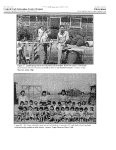
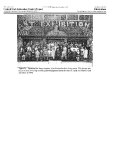
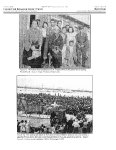
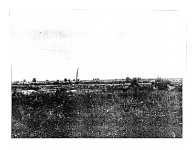
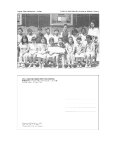
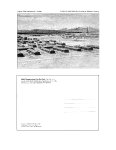
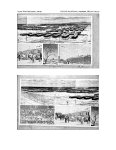
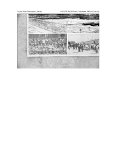
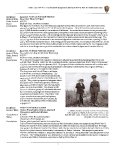
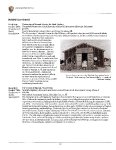
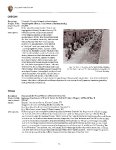
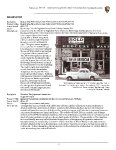
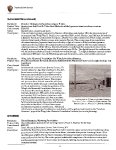
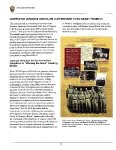
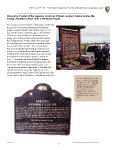
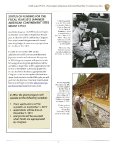
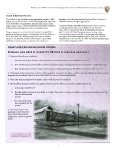
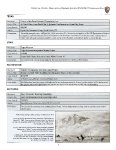
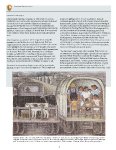
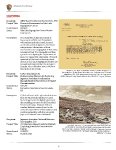
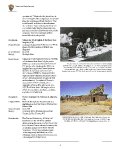
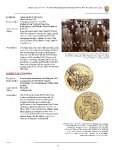
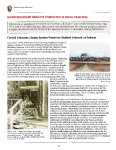
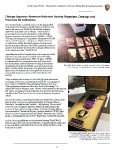
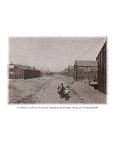
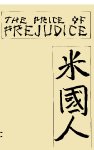
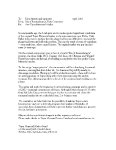
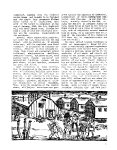
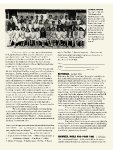
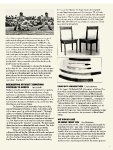
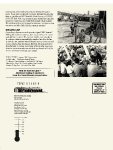
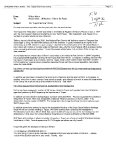
Show Public Law 109-441 - Preservation ofJapanese American World War II Confinement Sites • Four comments emphasized the importance of prioritizing oral history projects. • Three comments wanted more funding for restoration and reconstruction projects. • Two comments encouraged projects to increase volunteerism and help elders and youth to work together to build bridges within their communities, as well as let the general public know how they can get involved with these efforts. Again, NPS thanks everyone who took the time to respond to the questionnaire. Since the establishment of the grant program in 2009, the NPS has asked the public to provide input and feedback to make sure the projects funded through the program are meeting the intent of Public Law 109-441, which established this program to preserve and interpret the historic confinement sites where Japanese Americans were detained during World War II in order to educate the public and future generations. We greatly appreciate your input and will use these comments in our continuing efforts to improve the effectiveness of the program. If you have additional comments, please share them with us as we move into the seventh year of the grant program. There were also many comments with individual recommendations, including: "keep the focus on the 10 WRA camps"; search for "artists such as painters, potters, musicians who could add their views of internment and recovery"; fund projects that preserve historic photographs; "fast-track" funding for wellresearched and documented projects; and encourage projects that "connect" all of the confinement sites in order to create a stronger national impact. In response to Question 3, there were 12 recommendations as to how the NPS could improve the impact and effectiveness of the grant program. Five people asked NPS to provide more information on completed grant projects in order to increase awareness of their achievements, including more information on the program website. Two people suggested more use of social media, such as Facebook and Twitter. One person noted the importance of making all grant program information available by mail so as not to exclude people who do not have access to the internet. And one person stated a desire for NPS to take a more active role in identifying sites for preservation and inviting people to lead those projects. Photo published in the Minidoka Irrigator in Hunt, Idaho, 1943. Photo courtesy: The Wing Luke Museum - photo by Joe Tanaka In terms of additional suggestions and comments given in response to Question 4, nearly half the respondents took this opportunity to state their support for the Japanese American Confinement Sites Grant Program, as well as to remember and honor those who lived through the incarceration, with one admonition to "never forget." One person also expressed gratitude for the Japanese American community activists who led the initial efforts to preserve and interpret the incarceration sites. A badge worn by the young wife of a Japanese American serviceman at Camp Shelby, Mississippi, where new recruits from both Hawai'i and the mainland began training. Photo courtesy: Densho (ddr-densho-lOS-7), Tsubota Family Collection 31 |