| OCR Text |
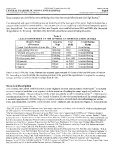
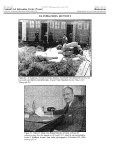
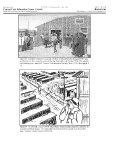
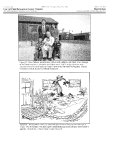
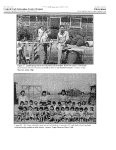
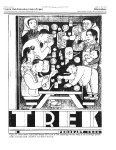
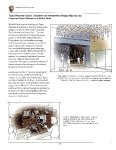
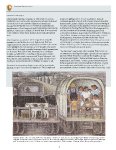
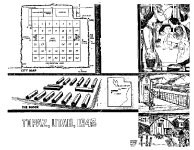
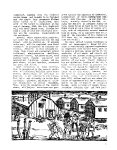
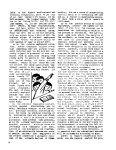
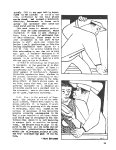
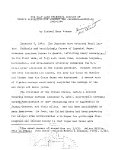
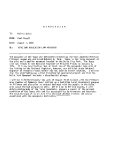
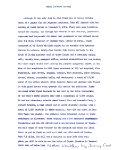
Show 5 worked Historical Significance of Topaz RelocationCenten on a farm until she could borrow money enough to return to the United States, and reached California in time to assist Diego Rivera with murals for the Golden Gate International Exposition on Treasure Island. In Topaz,she was staff illustrator for the little magazine Trek, and made more than a thousand black-and-white drawings of life in Topaz from which she chose the illustrations for her engaging personal documentary, Citizen 13,660. Within a week after all evacuees had arrived, Topaz had established a co- operative general store, a mimeographed newspaper, and reported its first birth, death, appendectomy, dance, religious service and election. There was a plentiful supply of optimism, resourcefulness, good organization and ambitious plans for the future. What was perhaps the most important single decision made by WRA during the war was reached even before Topaz center was established. It concerned the degree to which evacuees would be permitted freedom of movement outside the camp. The decision was to encourage resettlement rather than confinement in a relocation center. In line with this decision, 10,000 evacuees left Topaz in 1942 to do seasonal agricultural work, principally in Utah, Idaho and Colorado. were required expense Employers to pay prevailing wages, provide adequate living quarters at no to the evacuee, provide transportation from the center to the place of employment and back, and give assurance that employment of evacuees would not result in displacement of local labor. Within the Utah center the vast majority of evacuees were either younger Nisei enthusiastically building a model city, or older Issei exhibiting the patient stoicism and silent resignation characteristic of their philosophy. However, a few of both groups were persistant and chronic troublemakers. Where these could be spotted they were picked up by the international security police and sent to a new, special relocation center. Topaz sent eleven incorrigibles,principally Kibei, to this special camp in Ju1y,1943, all of whom had testified and signed statements that they were not only disloyal to the United States,but would also commit sabotage if the opportunity was presented. Perhaps the gravest emotional test for the residents of Topaz was the Army's loyalty registration and recruitment program of February 1943. All evacuees over the age of 17 were asked to register and respond to a series of questions. The key question - the so-called loyalty question - was as follows: Will you swear unqualified allegiance to the United States of America and foreswear any form of allegiance to the Japanese Emperor, or any other foreign government, power, or organization? Since this government had denied them citizenship, the Issei felt that by forswearing allegiance to Japan they would become people without a country j: without |