| OCR Text |
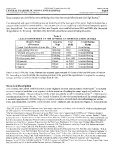
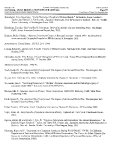
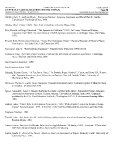
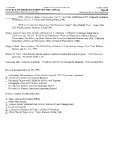
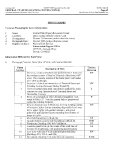
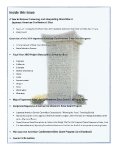
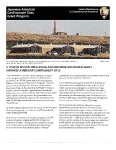
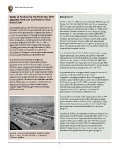
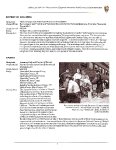
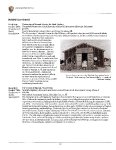
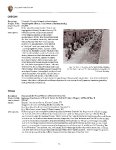
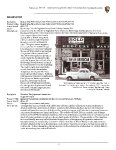
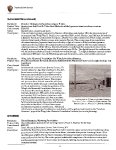
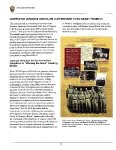
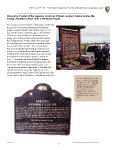
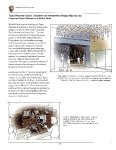
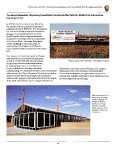
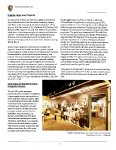
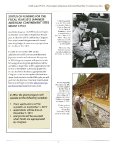
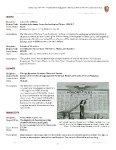
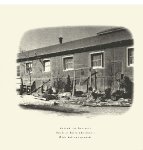
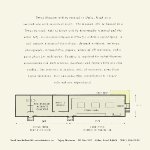
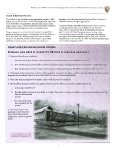
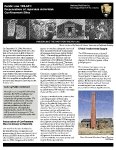
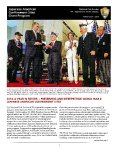
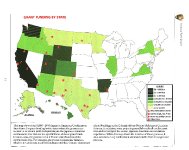
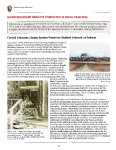
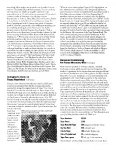
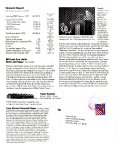
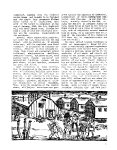
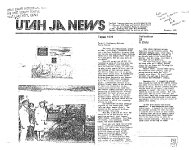
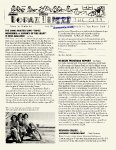
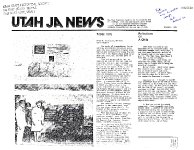
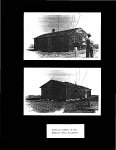
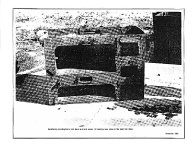
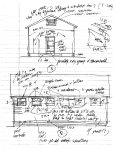
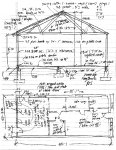
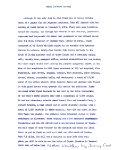
Show The Heart Mountain Interpretive Learning Center, designed by Schutz Foss Architects of Billings, Montana . Photo courtesy: Heart Mountain, Wyoming Foundation . Winter 2010 A YEAR IN REVIEW: PRESERVING AND INTERPRETING WORLD WAR II JAPANESE AMERICAN CONFINEMENT SITES The National Park Service (NPS) is pleased to report on the progress ofthe Fiscal Year (FY) 2009 awards and on the new FY2010 grant awards for the Japanese American Confinement Sites Grant Program. Over the past two years, the Japanese American Confinement Sites Grant Program has awarded $3,895,000 in federal funds to private nonprofit organizations; educational institutions; state, local, and tribal governments; and other public entities working towards the preservation and interpretation of historic confinement sites where more than 120,000 Japanese Americans were detained during World War II. In 2009, Congress appropriated $1 million for the first year of the grant program, from which the NPS awarded 19 grants totaling $970,000. In 2010, the second year of the grant program, the NPS awarded 23 grants totaling $2,925,000 to help fund projects in 12 states. The grants were awarded through a competitive process, providing $2 in federal money for every $1 in non-federal funds and/or "in-kind" contributions raised by groups and individuals working to preserve the sites and their histories. The FY2010 grants range from $17,295 to the Friends of Minidoka to re-establish the historic Honor Roll, which commemorated Japanese Americans serving in the U.S. Army, to $832,879 to the Heart Mountain, Wyoming Foundation to complete the construction of the interior and the remaining exterior infrastructure for the 1l,000-square-foot Heart Mountain Interpretive Learning Center in Park County, Wyoming. The 42 projects awarded over the past two years demonstrate the tremendous commitment of the numerous individuals, organizations, stakeholders, and communities who have dedicated their time and resources towards the goal of preserving and interpreting these sites and stories. Collectively, these projects help us gain a better understanding of the past, engage new audiences, and build new partnerships to work collaboratively towards the long-term preservation of these historic sites and the memories and lessons they hold. |