| OCR Text |
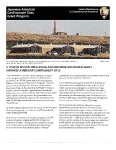
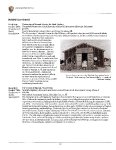
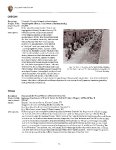
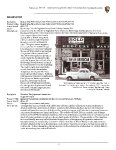
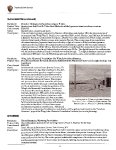
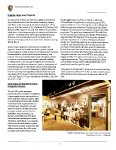
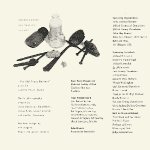
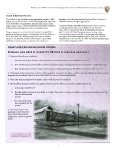
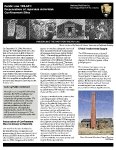
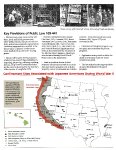
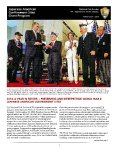
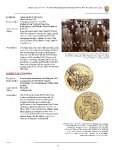
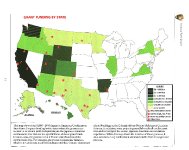
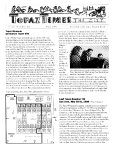
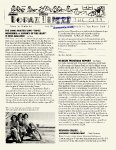
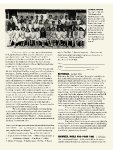
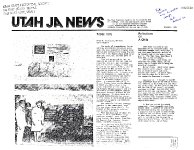
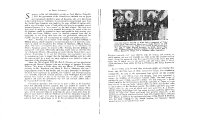
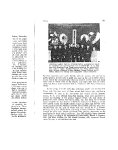
Show In this Nov. 2, 2011 photo, Speaker of the House John Boehner presents the Congressional Gold Medal to Japanese American veterans of World War II. At the ceremony w ere, from left, Mitsuo Hamasu (1 OOth Infantry Battalion), Boehner, Susumu Ito (442), House Minority Leader Nancy Pelosi, Grant Ichikaw a (MIS), and the late Sen . Daniel K. Inouye (442). A new Japanese American Confinement Sites grant (see page 11) will fund a Smithsonian Institution digital exhibition about the Congressional Gold Medal . Photo courtesy: KAREN BLEIERlAFP/Getty Images 2014: A YEAR IN REVIEW - PRESERVING AND INTERPRETING WORLD WAR II JAPANESE AMERICAN CONFINEMENT SITES The National Park Service (NPS) is pleased to report on the progress of the Japanese American Confinement Sites Grant Program. On December 21, 2006, President George W. Bush signed Public Law 109-441 (16 USC 461) - Preservation of Japanese American Confinement Sites - which authorized the NPS to create a grant program to encourage and support the preservation and interpretation of historic confinement sites where Japanese Americans were detained. The law authorized up to $38 million for the life of the grant program. Congress first appropriated funding for the program in 2009. Japanese American Confinement Sites grants are awarded through a competitive process in which $2 of Federal money matches every $1 in non-Federal funds and "in-kind" contributions. Over the past six years, the program has awarded 128 grant awards totaling more than $15.3 million to private nonprofit organizations, educational institutions, state, local, and tribal governments, and other public entities. The projects involve 19 states and the District of Columbia, and include oral histories, preservation of camp artifacts and buildings, documentaries and educational curriculum, and exhibits and memorials that preserve the confinement sites and honor the people incarcerated there by sharing their experiences. The Fiscal Year 2014 grant awards, featured in this report, include the stabilization of historic elementary school buildings at the former Poston site in Arizona; an continued on page 2 |